ADA Compliant Home Modifications: A Practical Guide to Safer, More Accessible Living
Introduction
Making a home safer and easier to navigate can improve independence, reduce fall risks, and create a more comfortable space for everyone. ADA compliant home modifications are often discussed in the context of public buildings, but many of the same accessibility principles can also guide smart changes at home. Whether you are planning for aging in place, supporting a family member with a disability, or preparing a home for long-term accessibility, the right updates can make a meaningful difference.
This guide explains what ADA compliance means, which home modifications matter most, and how to plan improvements that support safety, dignity, and everyday convenience.
What Are ADA Compliant Home Modifications?
The Americans with Disabilities Act, or ADA, sets accessibility standards for many public and commercial spaces. While private homes are not typically required to meet ADA standards, ADA compliant home modifications use those same design principles to make living spaces more usable for people with mobility, vision, hearing, or other functional needs.
In practical terms, this can mean widening doorways, removing steps, adding grab bars, lowering counters, improving lighting, or creating barrier-free entry points. The goal is to reduce obstacles and make each area of the home easier to access safely.
Why Accessibility Matters at Home
Homes are where people spend most of their time, so accessibility has a direct impact on daily life. A few well-planned modifications can help someone move more freely, complete tasks with less assistance, and lower the chance of injury.
Accessibility also supports changing needs over time. A home that works well today may need updates after surgery, an injury, or a gradual change in mobility. Planning ahead can help homeowners avoid costly emergency renovations later.
Key ADA Compliant Home Modifications
1. Entryways and Exterior Access
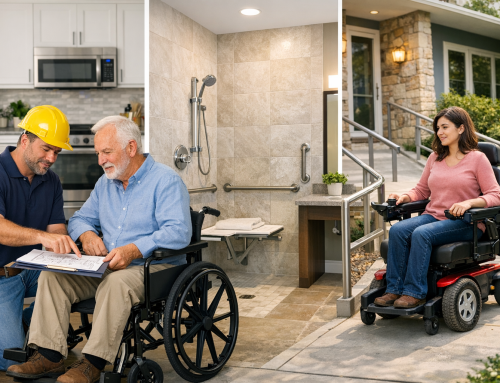
One of the most important places to start is the path into the home. Steps, uneven walkways, and narrow door openings can create major barriers. Consider installing a wheelchair ramp with a gentle slope, adding handrails, and ensuring the entry is well lit and slip resistant. Door thresholds should be low enough to allow smooth passage without creating a tripping hazard.
2. Wider Doorways and Hallways
Standard doorways may be too narrow for wheelchairs, walkers, or other mobility aids. Widening door frames and keeping hallways free of clutter can improve movement throughout the home. Lever-style handles are often easier to use than round doorknobs, especially for people with limited hand strength.
3. Accessible Bathrooms
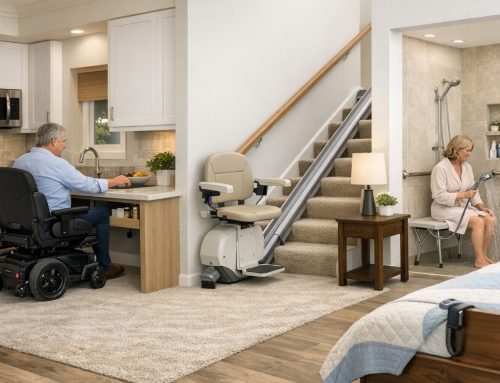
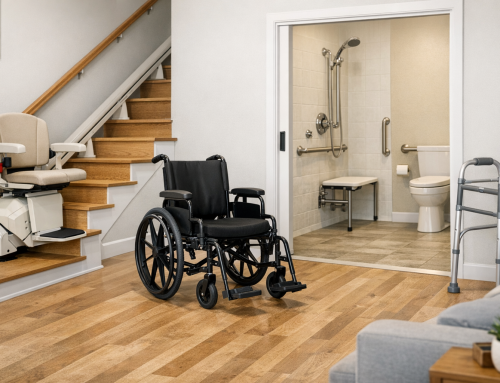
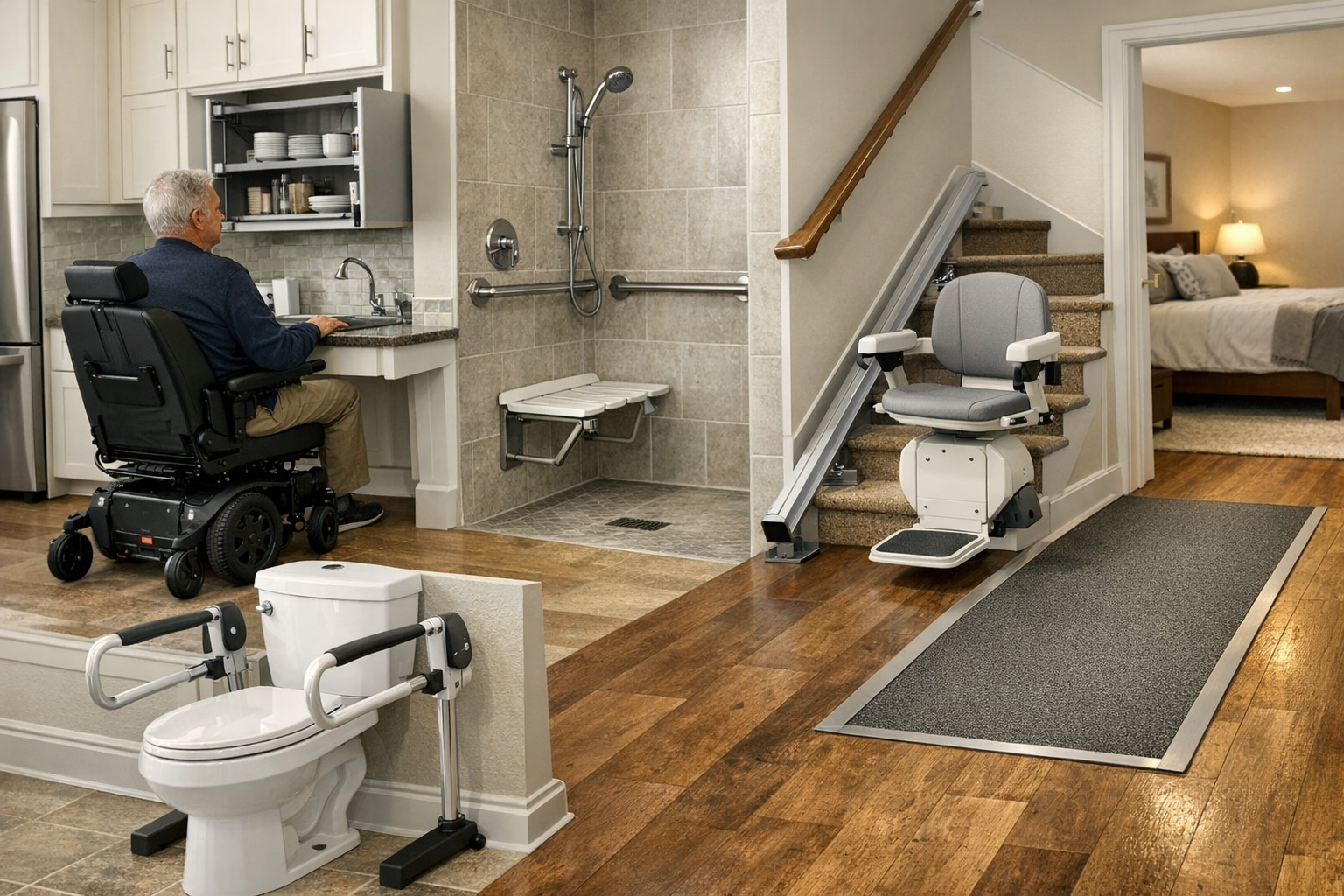
Bathrooms are among the most important spaces to adapt because they often present slip and transfer risks. ADA inspired bathroom updates may include grab bars near the toilet and shower, a roll-in or curb-free shower, a handheld showerhead, and a raised toilet seat or comfort-height toilet. A sink with open space underneath can also make the room easier to use from a seated position.
4. Kitchen Adjustments
An accessible kitchen should make cooking and cleanup possible without unnecessary strain. Lowering counters, creating knee clearance under work surfaces, and placing frequently used items within easy reach are all helpful changes. Pull-out shelves, side-opening ovens, and touch-controlled or lever faucets can also make the kitchen more functional.
5. Flooring and Surface Changes
Flooring should support smooth movement and minimize trip hazards. Hard, even surfaces are generally easier to navigate than thick carpet or unstable rugs. If a home has transitions between rooms, those thresholds should be as flush as possible. Non-slip materials can improve safety in wet areas like bathrooms, laundry rooms, and entryways.
6. Lighting and Visibility
Good lighting is essential for people with low vision and for preventing accidents in any home. Bright, even lighting in hallways, stairways, and task areas can improve visibility. Motion-activated lights, illuminated switches, and contrasting colors on steps or door frames may also help with navigation.
7. Smart Home Technology
Technology can play a big role in accessibility. Smart locks, voice-controlled lights, automated blinds, and thermostat controls can reduce the need for repetitive reaching, bending, or fine motor tasks. Video doorbells and intercom systems can also improve communication and security for residents with limited mobility.
Planning a Home Modification Project
Before starting any renovation, it helps to assess the current layout and identify the biggest barriers. Focus on the areas that affect daily routines first, such as the entry, bathroom, bedroom, and kitchen. In many cases, small changes can provide immediate relief while larger projects are planned over time.
Working with an occupational therapist, accessibility specialist, or experienced contractor can help ensure the modifications meet the resident’s needs. If the home is being adapted for a wheelchair user or someone with another specific mobility concern, professional guidance is especially valuable. It is also a good idea to think about future needs, not just current ones.
Financing and Practical Considerations
ADA compliant home modifications can range from affordable updates to major renovations. Costs depend on the size of the project, materials, and whether structural changes are required. Some homeowners use savings, home improvement loans, insurance funds, veterans’ benefits, or local assistance programs to help pay for modifications.
It is wise to get multiple estimates and prioritize the improvements that will provide the greatest safety and independence. In some cases, a phased approach makes the project more manageable and less disruptive.
Common Mistakes to Avoid
One common mistake is focusing on appearance before function. Another is choosing products that look accessible but do not actually meet the user’s needs. For example, a stylish bathroom fixture is not helpful if it is hard to grasp or positioned too high. It is also important not to overlook details like turning radius, doorway clearance, or the location of switches and outlets.
Finally, avoid assuming one solution fits every person. Accessibility should always be tailored to the resident’s abilities, preferences, and daily habits.
Conclusion
ADA compliant home modifications can transform a house into a safer, more supportive place to live. By improving access at the entry, in the bathroom and kitchen, and throughout the home, these upgrades can promote independence and peace of mind. With thoughtful planning and the right professional support, accessibility improvements can create lasting benefits for both current and future needs.