ADA Home Renovation Services: Creating Safer, More Accessible Living Spaces
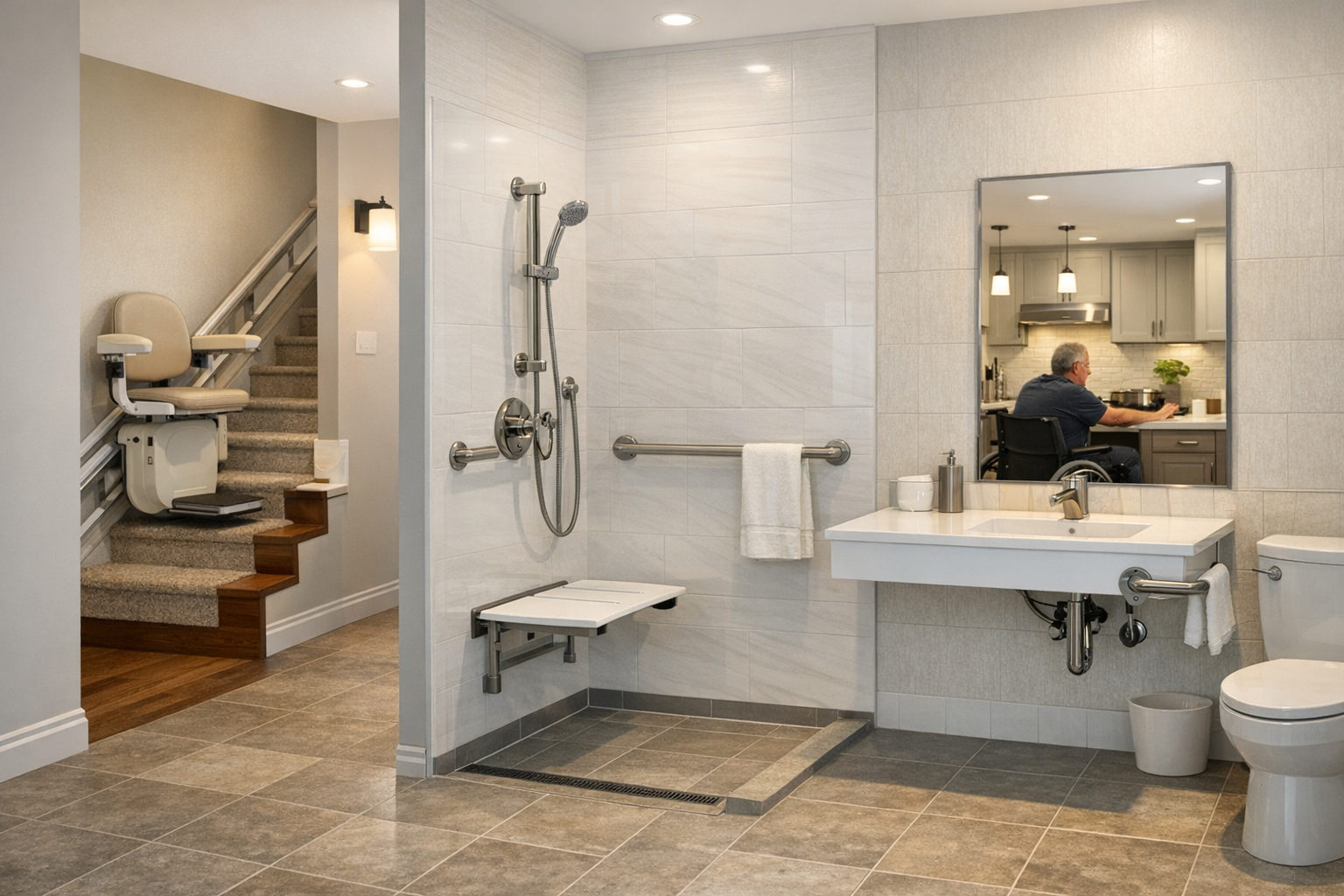
Home should be a place of comfort, independence, and ease of movement for everyone who lives there. For people with mobility challenges, aging adults, or family members with disabilities, thoughtful remodeling can make everyday routines safer and far more manageable. That is where ADA home renovation services come in. These services focus on creating accessible spaces that improve function without sacrificing style or comfort.
Whether you are planning for current needs or preparing your home for the future, ADA-informed renovations can help you design a space that supports long-term independence. From entryways and bathrooms to kitchens and hallways, the right modifications can make a meaningful difference in daily life.
What Are ADA Home Renovation Services?
ADA home renovation services are remodeling solutions designed to improve accessibility, safety, and ease of use in residential spaces. ADA refers to the Americans with Disabilities Act, a law that sets standards for accessibility in public spaces. While private homes are not required to meet ADA standards in the same way businesses do, many homeowners use ADA guidelines as a practical framework for accessible design.
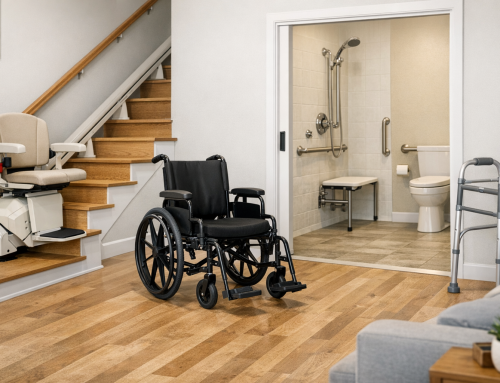
These services often include changes that support wheelchair access, reduce fall risks, and make fixtures easier to reach and operate. The goal is to create a home that works better for people with limited mobility, visual impairments, or other accessibility needs.
Common Features in ADA-Inspired Residential Renovations
- Wider doorways and hallways for easier movement
- Zero-step or ramped entrances
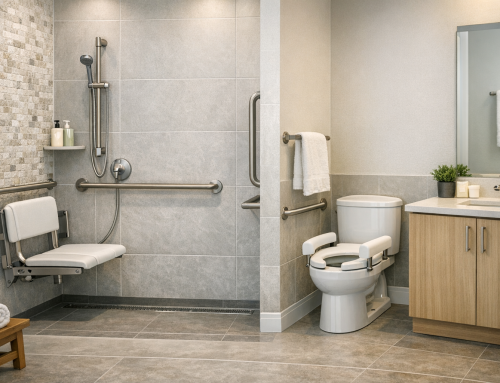
- Accessible bathrooms with walk-in showers and grab bars
- Lowered countertops and sinks
- Lever-style handles and easy-to-use hardware
- Improved lighting and slip-resistant flooring
Why ADA Home Renovation Services Matter
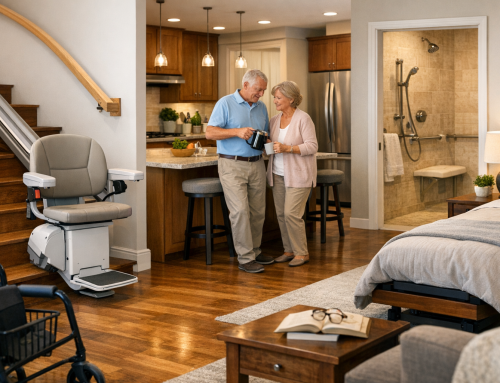
Accessibility upgrades are not only for individuals with permanent disabilities. They also benefit older adults who want to age in place, people recovering from surgery or injury, and families who want to make visiting loved ones more comfortable. A home that is easier to navigate can reduce stress, support independence, and lower the chance of accidents.
Another important benefit is flexibility. Accessible design can adapt to changing needs over time. A renovation completed today may help a homeowner remain in the same home for years to come, avoiding the disruption and expense of moving later.
Improving Safety and Reducing Fall Risks
Many home accidents happen because of everyday hazards such as steep steps, slippery bathrooms, poor lighting, and cluttered pathways. ADA-friendly renovations address these risks directly. Features like non-slip flooring, handrails, wider turns, and brighter task lighting can make a home significantly safer.
Supporting Independence and Daily Comfort
The ability to complete everyday tasks without assistance is essential to quality of life. Accessible kitchen layouts, touch-friendly fixtures, and barrier-free showers can help homeowners move through their routines with more confidence and less frustration.
Key Areas to Focus on During an ADA Home Renovation
Every home and every resident has different needs, so renovation plans should always be customized. Still, certain areas tend to provide the greatest impact when improved for accessibility.
Entryways and Exterior Access
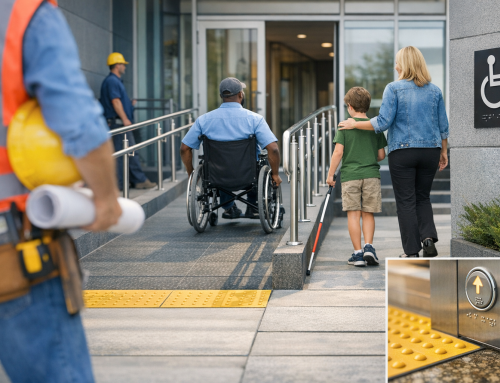
Getting in and out of the home should be simple and safe. Ramps, low thresholds, wider doors, and covered entries can make a major difference. If steps are unavoidable, sturdy railings and proper lighting are essential.
Bathrooms
Bathrooms are one of the most important spaces to update because they are often the highest-risk rooms in the home. Popular ADA-inspired bathroom upgrades include roll-in or curbless showers, shower benches, grab bars, handheld showerheads, comfort-height toilets, and vanities with open knee space.
Kitchens
An accessible kitchen should allow a person to cook, clean, and store items comfortably. This may involve lowering countertops, installing pull-out shelves, placing appliances within easy reach, and ensuring there is enough turning space for wheelchairs or walkers.
Hallways, Doorways, and Flooring
Narrow passages and uneven flooring can be challenging for anyone with limited mobility. Expanding door frames, removing tripping hazards, and choosing smooth, durable flooring can improve overall flow throughout the home.
Planning an ADA-Friendly Renovation
A successful project starts with a clear understanding of current needs and future goals. The best ADA home renovation services begin with a thorough assessment of the home and a conversation about how the space is used every day. This helps identify problem areas and prioritize upgrades that will provide the most value.
Work With an Experienced Contractor
Not every remodeling professional has experience with accessibility-focused projects. Look for a contractor who understands ADA guidelines, universal design principles, and the practical details that make a home easier to use. The right team will know how to balance safety, comfort, and aesthetics.
Consider Long-Term Functionality
When planning renovations, think beyond immediate needs. A well-designed accessible space should still serve the homeowner years later. Choosing adjustable features, durable materials, and layouts that can adapt over time is a smart investment.
Review Budget and Priorities
Accessibility upgrades can range from small improvements to full-room remodels. If the budget is limited, start with the areas that create the biggest safety benefits, such as bathrooms, entryways, and flooring. Even modest changes can significantly improve usability.
Benefits of Professional ADA Home Renovation Services
Professional renovation services bring more than construction skills. They provide guidance, planning, and a customized approach that helps homeowners make informed decisions. A knowledgeable contractor can suggest solutions that fit the home’s layout, comply with relevant standards, and complement the home’s overall style.
Professional support also helps prevent costly mistakes. For example, the wrong shower layout or improperly placed grab bars can reduce accessibility instead of improving it. With the right planning, homeowners can achieve a space that is both practical and visually appealing.
Conclusion
ADA home renovation services can transform a house into a safer, more comfortable, and more usable place to live. By focusing on accessibility, homeowners can support independence, reduce everyday hazards, and create a home that works well now and in the years ahead. Whether you are making a few targeted updates or planning a full remodel, accessible design is an investment in both quality of life and peace of mind.