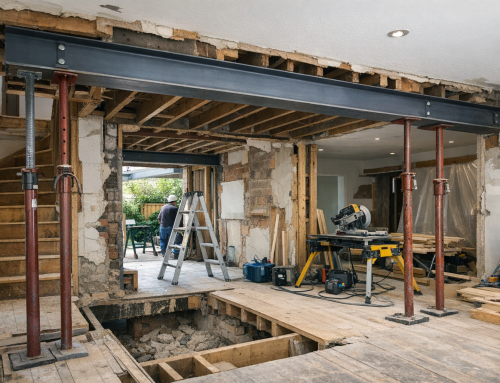
How to Choose a Modern Home Renovation Company

A home renovation is an opportunity to make your space work better for the way you live today. Whether you are updating a dated kitchen, opening up a floor plan, or improving energy efficiency, the right renovation partner can help turn ideas into a well-planned, comfortable home. A modern home renovation company combines thoughtful design, skilled construction, and clear communication to guide a project from the first conversation through the finishing details.
Understanding what these companies do—and what to look for when hiring one—can help you make confident choices and avoid surprises along the way.
What Makes a Home Renovation Company Modern?
A modern renovation company does more than install new finishes. It looks at how a home functions as a whole, balancing appearance, comfort, durability, and practical needs. That may mean improving storage, creating a more flexible living area, updating lighting, or choosing materials that are easier to maintain.
Modern does not have to mean stark or trend-driven. A good company takes cues from your preferences and the character of your home, then recommends solutions that feel current without becoming dated quickly. The aim is a space that looks considered and supports everyday life—not simply a collection of fashionable features.
Services to Expect
Renovation services vary by company, so confirm which parts of the project are handled in-house and which involve outside professionals. Many full-service firms coordinate several stages under one plan.
Design and space planning
Design support can help you make decisions about layout, finishes, lighting, cabinetry, and fixtures before construction begins. For larger changes, a team may also coordinate architectural plans or engineering input. Early planning helps identify conflicts and gives you a clearer picture of the finished space.
Construction and project coordination
Construction may include kitchen and bathroom remodeling, basement finishing, additions, whole-home updates, or changes to interior layouts. Project coordination connects the schedule, trades, materials, inspections, and communication. Ask who will be your main contact and how often you will receive updates.
Energy and comfort improvements
Some projects can improve comfort and reduce energy use through measures such as better insulation, efficient windows, improved ventilation, or updated heating and cooling systems. The right options depend on your home, climate, and budget, so discuss expected benefits and installation requirements before adding them to the scope.
Start with a Clear Renovation Plan
Before requesting estimates, write down what is not working in your home and what you hope to change. Separate essential needs from nice-to-have upgrades. For example, a kitchen project may need more counter space and better task lighting, while a new island or premium appliance package may be optional.
Set a realistic budget that accounts for design, materials, labor, permits, and a contingency for unexpected conditions. Renovations can uncover issues behind walls or beneath floors, particularly in older homes. A contingency does not mean a problem is certain; it gives you room to respond without immediately derailing the project.
Also consider timing. Ask how long design and approvals may take, when work could begin, and what parts of the home will be unavailable during construction. If you will be living in the house, discuss dust control, access, work hours, and temporary arrangements before signing an agreement.
How the Renovation Process Works
Every company has its own workflow, but a well-organized project often follows a similar sequence. It begins with a consultation to discuss goals, constraints, and an initial budget range. Next, the company may assess the home, develop a design, and prepare a detailed scope of work.
Once the design and scope are approved, the team can provide a proposal and schedule. Review what the price includes, what it excludes, how changes are handled, and what payment milestones apply. Before construction, the company may arrange permits and coordinate material orders. During the build, regular check-ins help you understand progress and address decisions promptly.
At completion, walk through the work with the project lead. Make a list of any agreed items that need attention and ask for care instructions, product information, and warranty details. Keeping these records makes it easier to maintain the renovation over time.
Choosing the Right Company
Look for a renovation company with relevant experience, appropriate licensing and insurance for your area, and a portfolio that reflects the type of work you want. Ask for references and, where possible, speak with recent clients about communication, schedule management, workmanship, and how unexpected issues were handled.
Compare proposals carefully rather than choosing on price alone. A very low estimate may leave out important work or depend on allowances that could change later. A clear proposal should describe the scope, materials or material allowances, timeline assumptions, payment terms, and process for approving changes.
Pay attention to how the company listens. A good partner should answer questions directly, explain trade-offs, and respect your priorities. You should feel comfortable discussing concerns before work starts—not pressured to make quick decisions or accept vague promises.
Make Design Choices for the Long Term
For a renovation that stays useful beyond the latest trend, invest first in a functional layout, quality installation, and materials suited to your household. Durable flooring, practical storage, layered lighting, and well-planned outlets can have more lasting value than decorative upgrades alone. If sustainability matters to you, ask about durable products, lower-waste options, and energy improvements that fit the project.
Conclusion
A modern home renovation company can bring design, construction, and coordination together to make a project easier to manage. Define your goals, review proposals carefully, and choose a team that communicates clearly. With sound planning and the right partner, your renovated home can feel more comfortable, functional, and distinctly yours.