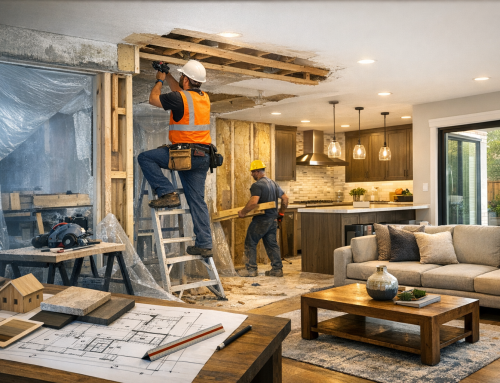
Complete Home Renovation Solutions: A Practical Guide to Transforming Your Space
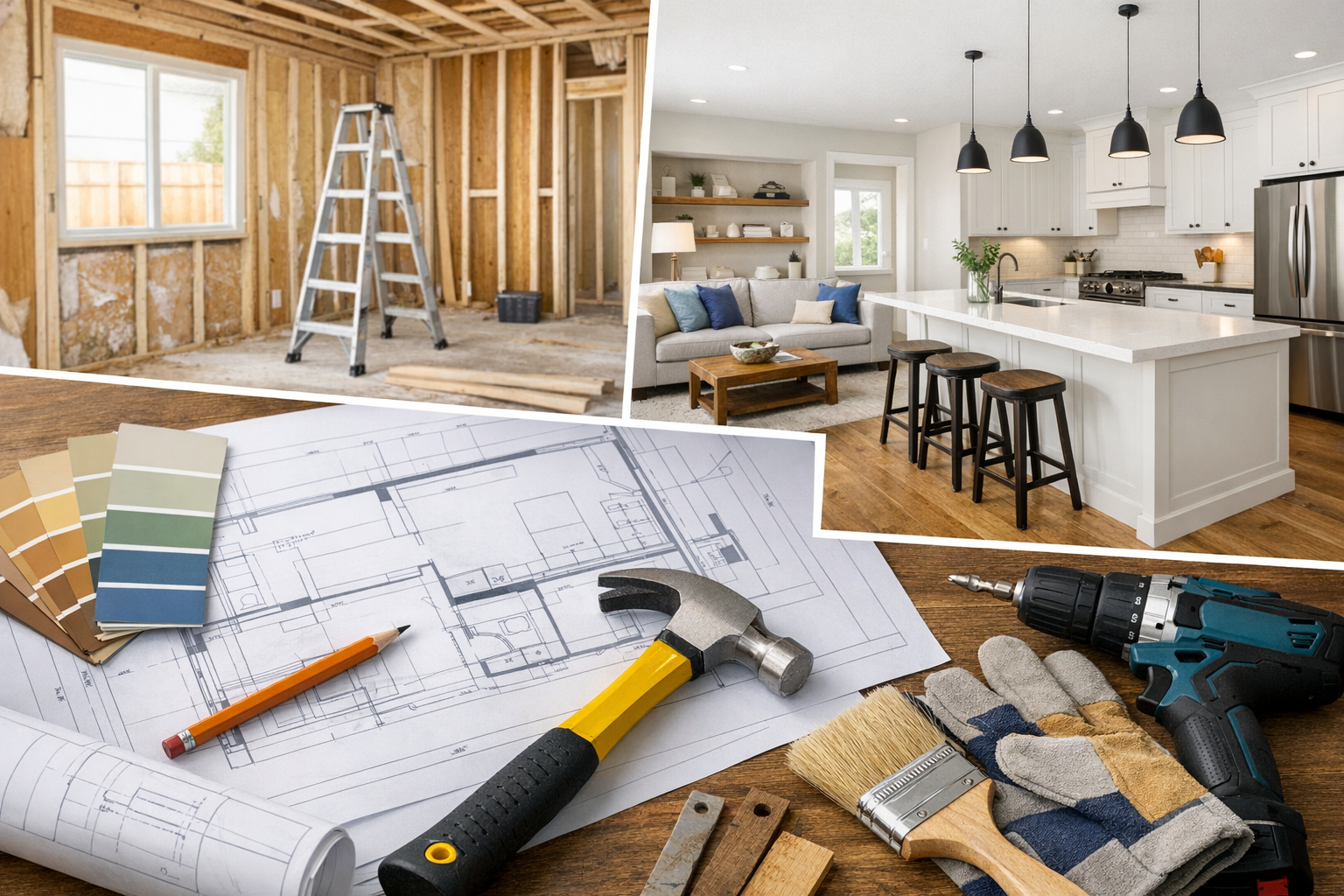
What Complete Home Renovation Solutions Include
Complete home renovation solutions cover every major stage of updating a house from top to bottom. Instead of handling one room at a time, this approach brings design, planning, construction, and finishing together into one coordinated project. It can include structural updates, electrical and plumbing improvements, new flooring, kitchen and bathroom remodeling, painting, lighting, cabinetry, insulation, and exterior upgrades.
The biggest advantage of a full-service renovation is consistency. When all areas of the home are planned together, the final result feels cohesive, functional, and visually balanced. It also reduces the stress of managing multiple contractors, overlapping schedules, and mismatched materials. For homeowners who want to improve comfort, boost property value, or prepare a home for long-term living, complete renovation solutions offer a practical path forward.
Planning Your Renovation Project
Strong planning is the foundation of any successful home renovation. Before demolition begins, it is important to define your goals clearly. Are you renovating to modernize an outdated home, improve energy efficiency, create more space, or increase resale value? Knowing your priorities helps guide every decision, from layout changes to finishes.
Budgeting is another essential part of the process. A complete renovation can vary widely in cost depending on the size of the home, the age of the structure, the quality of materials, and the scope of work. It is wise to set a realistic budget and include a contingency fund for unexpected issues such as hidden water damage, outdated wiring, or structural repairs.
Timelines should also be discussed early. Full-home renovations often take longer than expected because several tasks must be completed in sequence. A detailed schedule helps keep the project moving and sets clear expectations for homeowners and contractors alike.
Design and Material Selection
Design is where a renovation starts to take shape. This stage involves choosing layouts, finishes, colors, fixtures, and materials that reflect both your style and your daily needs. Many homeowners choose timeless materials that can withstand daily use while still looking attractive for years.
It is helpful to think about how each room connects to the next. Flooring, paint palettes, trim details, and lighting choices should work together to create a smooth flow throughout the home. Functional considerations matter too. For example, families may want durable surfaces, easy-to-clean countertops, and storage solutions that reduce clutter.
Working with experienced designers or renovation specialists can make this process easier. They can help balance aesthetics, practicality, and budget while ensuring that the final plan is realistic and buildable.
Key Areas of a Full Home Renovation
Complete home renovation solutions often focus on a combination of spaces and systems rather than only cosmetic updates. Below are the most common areas that homeowners address during a full renovation.
Kitchen Remodeling
The kitchen is often the heart of the home, so it is one of the most important areas to renovate. A full kitchen remodel may include new cabinets, countertops, appliances, backsplashes, flooring, lighting, and layout changes. Some projects also improve storage with custom solutions or open up the space by removing walls.
Modern kitchen renovations often emphasize both style and efficiency. Energy-efficient appliances, better workflow, and thoughtful lighting can make the kitchen more enjoyable and practical for everyday use.
Bathroom Upgrades
Bathrooms are another high-value renovation area. A full bathroom update may involve replacing tubs, showers, vanities, toilets, tile, plumbing fixtures, and ventilation systems. Many homeowners also improve accessibility by installing walk-in showers, grab bars, or wider entryways.
A well-designed bathroom should feel comfortable, durable, and easy to maintain. Good lighting, moisture-resistant materials, and smart storage can make a major difference in how the room functions.
Living Spaces and Bedrooms
Living rooms, dining rooms, and bedrooms often benefit from layout improvements, new flooring, updated paint, custom storage, and better lighting. In older homes, these spaces may also need insulation upgrades, window replacements, or electrical improvements to support modern living.
When renovating these areas, the goal is usually to create a space that feels more open, brighter, and more comfortable. Even small changes, such as replacing outdated fixtures or rethinking furniture placement, can significantly improve the overall feel of the home.
Structural and System Improvements
Not all renovation work is visible. Complete home renovation solutions often include essential behind-the-scenes upgrades such as plumbing, electrical rewiring, HVAC improvements, roof repairs, foundation work, and insulation. These updates are crucial for safety, efficiency, and long-term performance.
Addressing structural and system issues during a full renovation can save money over time. It also helps prevent future problems that might disrupt daily life or lead to expensive emergency repairs.
How to Choose the Right Renovation Team
The quality of your renovation depends heavily on the team you hire. A reliable contractor or renovation company should offer clear communication, detailed estimates, proven experience, and proper licensing and insurance. It is also useful to review past projects, ask for references, and discuss how they manage scheduling and unexpected changes.
A good renovation team will do more than complete the work. They will help you understand the process, offer practical recommendations, and keep the project organized from start to finish. Look for professionals who listen carefully to your goals and explain options in a straightforward way.
It can also be beneficial to work with a team that provides end-to-end service. When design, planning, and construction are coordinated under one roof, the process is usually smoother and less stressful for the homeowner.
Benefits of Investing in a Complete Renovation
There are many reasons homeowners choose complete renovation solutions. One of the most obvious benefits is improved functionality. A well-planned renovation can make a home easier to use, more efficient, and better suited to the needs of the people living in it.
Another major benefit is increased property value. Updated kitchens, bathrooms, and systems often make a home more appealing to future buyers. Even if you do not plan to sell soon, a renovation can provide lasting value through comfort, convenience, and lower maintenance needs.
Complete renovations can also improve energy efficiency. New windows, better insulation, upgraded appliances, and modern HVAC systems may help reduce utility costs while creating a more comfortable indoor environment.
Finally, renovating an entire home allows you to create a space that truly reflects your lifestyle. Instead of adapting to outdated layouts and worn finishes, you can shape the home around your current needs and personal style.
Conclusion
Complete home renovation solutions offer a smart way to transform an outdated or inefficient house into a more functional, beautiful, and valuable home. With careful planning, the right team, and a clear vision, a full renovation can deliver lasting results that improve daily life for years to come.