Residential Design-Build Services: A Smarter Way to Plan and Complete Your Home Project
What Are Residential Design-Build Services?
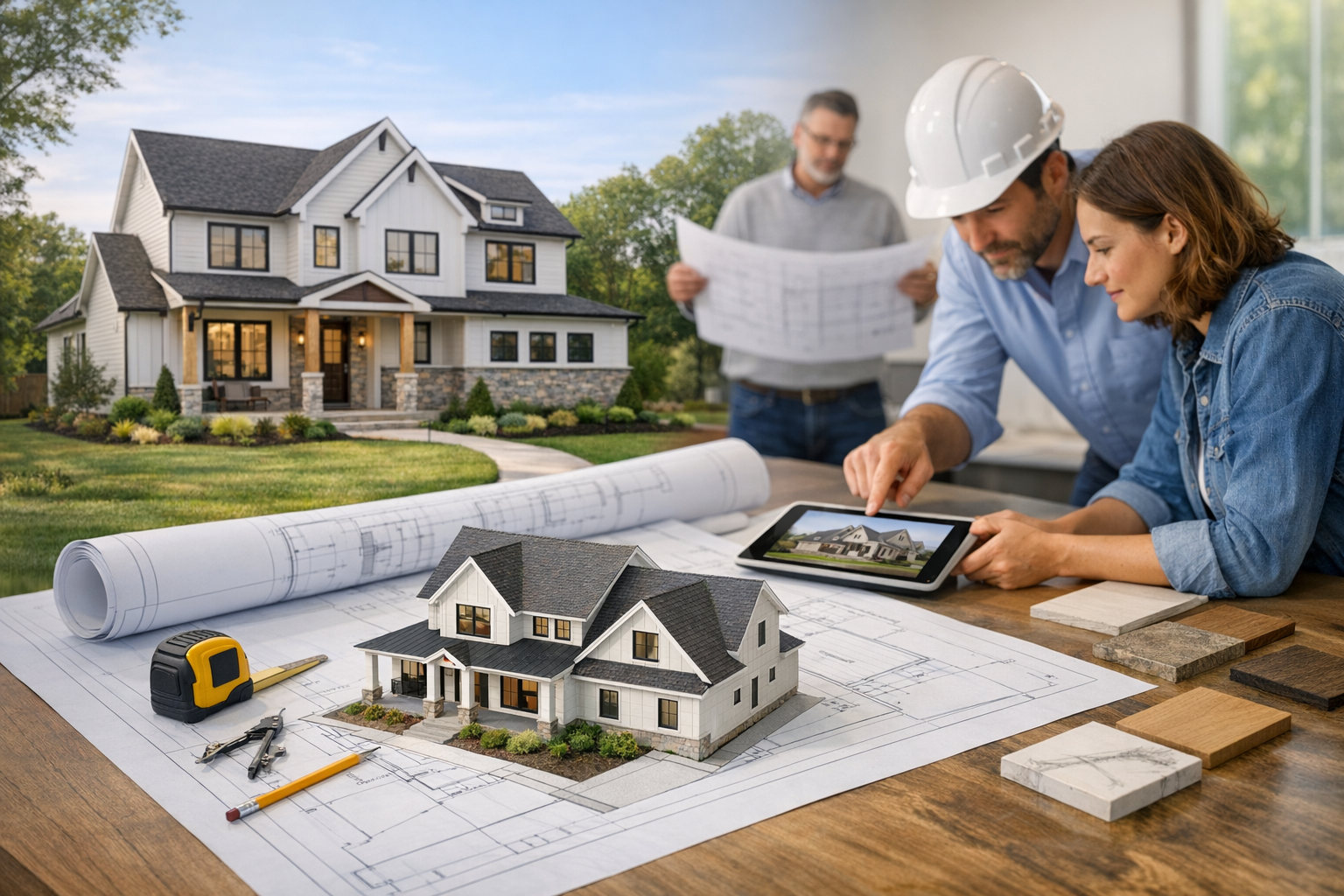
Residential design-build services bring the design and construction phases of a home project under one roof. Instead of hiring a separate architect, designer, and contractor, you work with a single team that manages the project from the first concept sketch through final construction. This integrated approach is often used for home additions, remodels, custom homes, and major renovations.
The main idea is simple: one team, one process, one point of responsibility. That structure helps reduce confusion, improve communication, and keep the project moving efficiently. For homeowners, it can also make the experience feel more organized and less stressful.
How the Design-Build Process Works
While every company may have a slightly different workflow, residential design-build services usually follow a clear sequence designed to keep the project aligned from start to finish.
1. Initial Consultation
The process begins with a conversation about your goals, budget, timeline, and the current condition of your home. This stage helps the design-build team understand what you want to achieve and whether the project is feasible within your expectations.
2. Concept and Planning
Next, the team develops preliminary ideas, layouts, and design concepts. This may include floor plans, material suggestions, and a rough scope of work. Because the builder is involved early, the team can design with real-world construction costs in mind.
3. Budget Development
One of the biggest advantages of the design-build model is early budget alignment. Instead of designing a beautiful plan first and worrying about the price later, the project is shaped around practical cost considerations from the beginning. This can help reduce surprises and keep the design within reach.
4. Final Design and Selections
Once the direction and budget are approved, the team finalizes drawings, finishes, fixtures, and other selections. This phase turns the concept into a detailed roadmap for construction. Clear decisions at this stage help avoid delays later.
5. Construction and Project Management
After the design is complete, construction begins. Since the same company is handling both design and building, communication stays centralized. The team coordinates schedules, manages trades, and oversees progress through completion.
Benefits of Choosing Residential Design-Build Services
Homeowners often choose design-build because it offers a more streamlined and collaborative experience than the traditional design-bid-build method. Here are some of the most valuable benefits.
Better Communication
With one team handling the entire project, there is less back-and-forth between separate designers and contractors. Questions are answered faster, decisions are more consistent, and the overall process tends to feel more coordinated.
Improved Budget Control
Because design and construction are planned together, the project is more likely to stay aligned with your budget. If a design idea starts pushing costs too high, the team can adjust early before the project gets too far along.
Faster Project Delivery
In many cases, design-build projects move faster because the design and construction phases overlap more efficiently. The builder can provide input during design, helping prevent costly revisions and delays once construction begins.
Single Point of Accountability
When one company handles the full project, you know exactly who is responsible if issues arise. That can make it easier to solve problems quickly and keep the work on track.
More Practical Design Decisions
Design-build teams consider both beauty and buildability from the start. That means the finished result is often not only attractive, but also realistic, functional, and suited to your home and lifestyle.
When Residential Design-Build Services Make the Most Sense
Design-build services are a strong choice for homeowners who want a smoother process and a more collaborative experience. They are especially helpful for projects that involve multiple moving parts or where cost control is important.
This approach is often ideal for kitchen remodels, bathroom remodels, whole-home renovations, room additions, basement finishes, and custom home construction. If your project requires careful coordination between design ideas, permits, structural changes, and construction schedules, design-build can simplify the process significantly.
It is also a smart option if you want to avoid the frustration of managing different professionals on your own. For busy homeowners, having one trusted team manage everything can save time and reduce stress.
What to Look for in a Design-Build Company
Not all residential design-build services are the same, so it is important to choose a team with the right experience and approach. A good company should communicate clearly, listen carefully, and offer both creative ideas and practical solutions.
Look for a portfolio of completed residential projects similar to yours. Ask how the team handles budgeting, design revisions, permits, and construction updates. It is also wise to find out who will be your main point of contact and how often you can expect progress reports.
Strong design-build companies are transparent about timelines, costs, and expectations. They should be able to explain their process in a way that makes you feel informed and confident before the work begins.
How Design-Build Can Improve the Homeowner Experience
Beyond the technical advantages, residential design-build services often improve the homeowner experience in meaningful ways. You are not passing information from one professional to another, and you do not have to mediate between separate design and construction teams. That unified structure helps keep everyone working toward the same goal.
For many homeowners, the biggest benefit is peace of mind. When the project is guided by one coordinated team, it becomes easier to stay focused on the exciting part: creating a home that fits your needs, style, and long-term goals.
Conclusion
Residential design-build services offer a streamlined, collaborative, and efficient way to complete home projects of all sizes. By combining design and construction into one process, homeowners can benefit from better communication, stronger budget control, and a smoother overall experience. If you are planning a remodel, addition, or custom home, design-build may be the smartest path from concept to completion.