Why In-House 3D Design and Rendering Services Matter for Modern Brands
Introduction
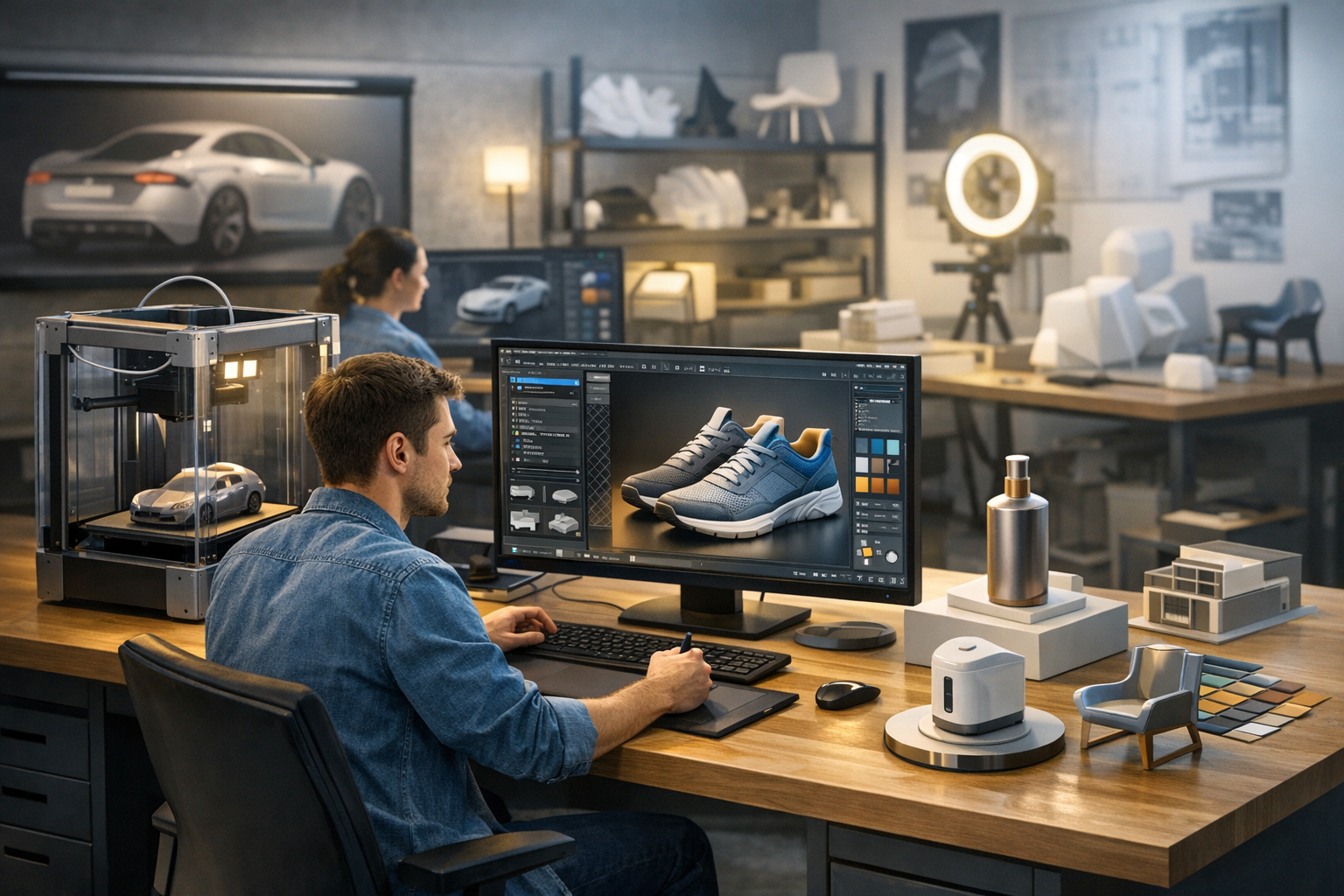
In-house 3D design and rendering services have become a powerful asset for businesses that want to present products, spaces, and concepts with clarity and impact. Instead of relying on outside vendors for every visual, companies with internal 3D capabilities can create high-quality renders faster, collaborate more closely across teams, and maintain a consistent brand look from project to project.
Whether you work in architecture, product development, e-commerce, marketing, or manufacturing, bringing 3D design and rendering in-house can streamline workflows and improve the way ideas are communicated. Below, we explore what these services include, their benefits, common use cases, and what to consider before building an internal 3D team.
What Are In-House 3D Design and Rendering Services?
In-house 3D design and rendering services refer to a company’s internal capability to create digital 3D models, visualizations, and photorealistic images or animations. These services may include modeling, texturing, lighting, animation, scene composition, and post-production. Rather than outsourcing these tasks to a studio or freelancer, the work is handled by employees who are integrated into the organization.
This setup is especially valuable for businesses that need frequent revisions, quick turnaround times, or visuals that closely align with product development, engineering, or brand strategy. With the right team and software, an in-house department can produce everything from concept visuals and marketing assets to technical prototypes and immersive presentations.
Key Benefits of Keeping 3D Design and Rendering In-House
Faster Collaboration and Turnaround
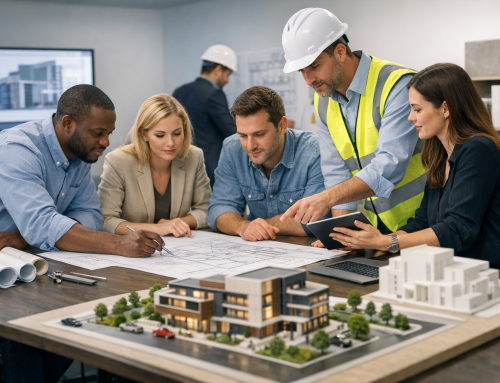
One of the biggest advantages of an internal 3D team is speed. Designers, marketers, engineers, and decision-makers can work together in real time, reducing delays caused by back-and-forth communication with external vendors. If a product dimension changes or a client requests a visual tweak, revisions can happen quickly without starting from scratch.
Stronger Brand Consistency
In-house teams are deeply familiar with a brand’s style, voice, and visual standards. That familiarity leads to more consistent outputs across product launches, advertising campaigns, web content, and sales materials. Over time, this consistency helps build trust and reinforces a recognizable visual identity.
Better Protection of Confidential Information
Companies often work with unreleased products, proprietary designs, or sensitive architectural plans. Keeping 3D design and rendering internal can reduce the risk of information leaks and give leadership more control over who can access confidential assets. This is particularly important in industries where privacy and intellectual property matter.
More Efficient Revisions
When 3D artists sit alongside product teams or creative departments, feedback loops become much shorter. Adjustments to lighting, materials, scale, or composition can be made with fewer delays and less misunderstanding. This efficiency can save both time and money during fast-moving projects.
Common Use Cases Across Industries
Product Visualization
For product-based businesses, 3D rendering makes it possible to showcase items before they are manufactured or photographed. Brands use these visuals for websites, packaging concepts, catalogs, and advertising campaigns. The ability to highlight textures, finishes, colors, and features in detail can significantly improve customer understanding and interest.
Architecture and Real Estate
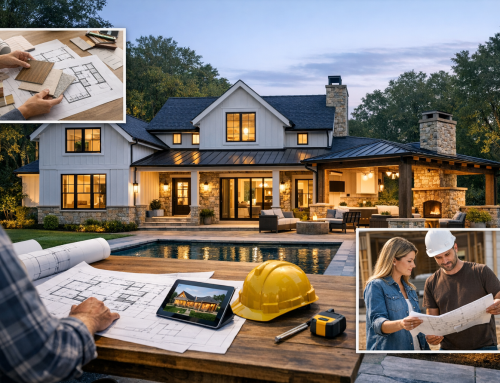
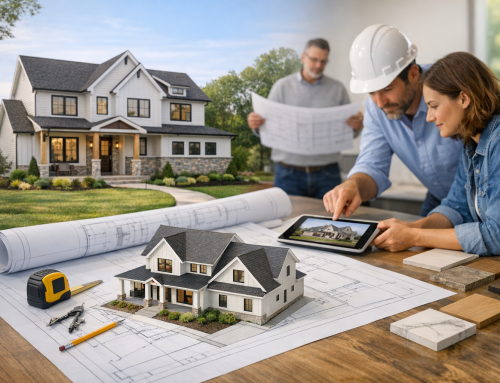
Architectural firms and property developers rely on 3D rendering to present buildings, interiors, and master plans in a realistic and compelling way. These visuals help clients and stakeholders imagine the finished result, making approvals and sales presentations more effective. Interior renderings, exterior perspectives, and walkthrough animations are especially useful in this space.
Marketing and Advertising
Marketing teams use 3D visuals to create memorable campaigns that stand out from traditional photography. A well-executed render can dramatize a product, explain a process, or create a polished brand experience for digital ads, social media, and landing pages. When combined with animation, 3D content can also make complex ideas easier to understand.
Manufacturing and Engineering
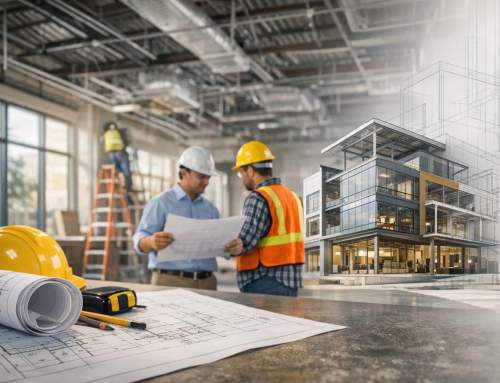
In technical industries, 3D design and rendering can support product development, assembly planning, and training materials. Detailed models help teams test ideas early, visualize components, and communicate engineering concepts more clearly. These assets can also be used in presentations, documentation, and investor materials.
What to Look for in an In-House 3D Team
Building an effective internal 3D department requires more than just software licenses. You need people who understand both creative execution and business goals. A strong team typically includes 3D modelers, render artists, art directors, and project managers who can coordinate timelines and maintain quality standards.
It also helps to choose tools and workflows that fit your business needs. Popular software may include Blender, 3ds Max, Cinema 4D, Maya, KeyShot, or Adobe tools for post-production. But the right choice depends on the type of content you create, your technical requirements, and how your teams collaborate.
Beyond technical skills, look for a team that communicates well, takes feedback seriously, and can translate abstract ideas into clear visuals. The most successful in-house teams are not just talented artists; they are problem-solvers who understand how visuals support sales, marketing, product development, and customer experience.
How In-House 3D Services Support Long-Term Growth
Although building an internal 3D capability requires an upfront investment, it can pay off over time. As your library of models, materials, and scenes grows, future projects become faster and more cost-effective. Reusable assets can shorten production cycles and make it easier to create new variations for campaigns, product updates, or regional markets.
In-house 3D design also gives businesses more agility. When new opportunities arise, your team can respond quickly with tailored visuals instead of waiting on a third party’s schedule. That flexibility can make a meaningful difference in competitive industries where timing matters.
Conclusion
In-house 3D design and rendering services offer speed, control, consistency, and creative flexibility. For brands that rely on compelling visuals to sell products, explain ideas, or win client trust, an internal 3D team can become a strategic advantage. With the right talent and workflow, these services can elevate both day-to-day content creation and long-term business growth.