Project Lifecycle Construction Consulting: From Concept to Completion
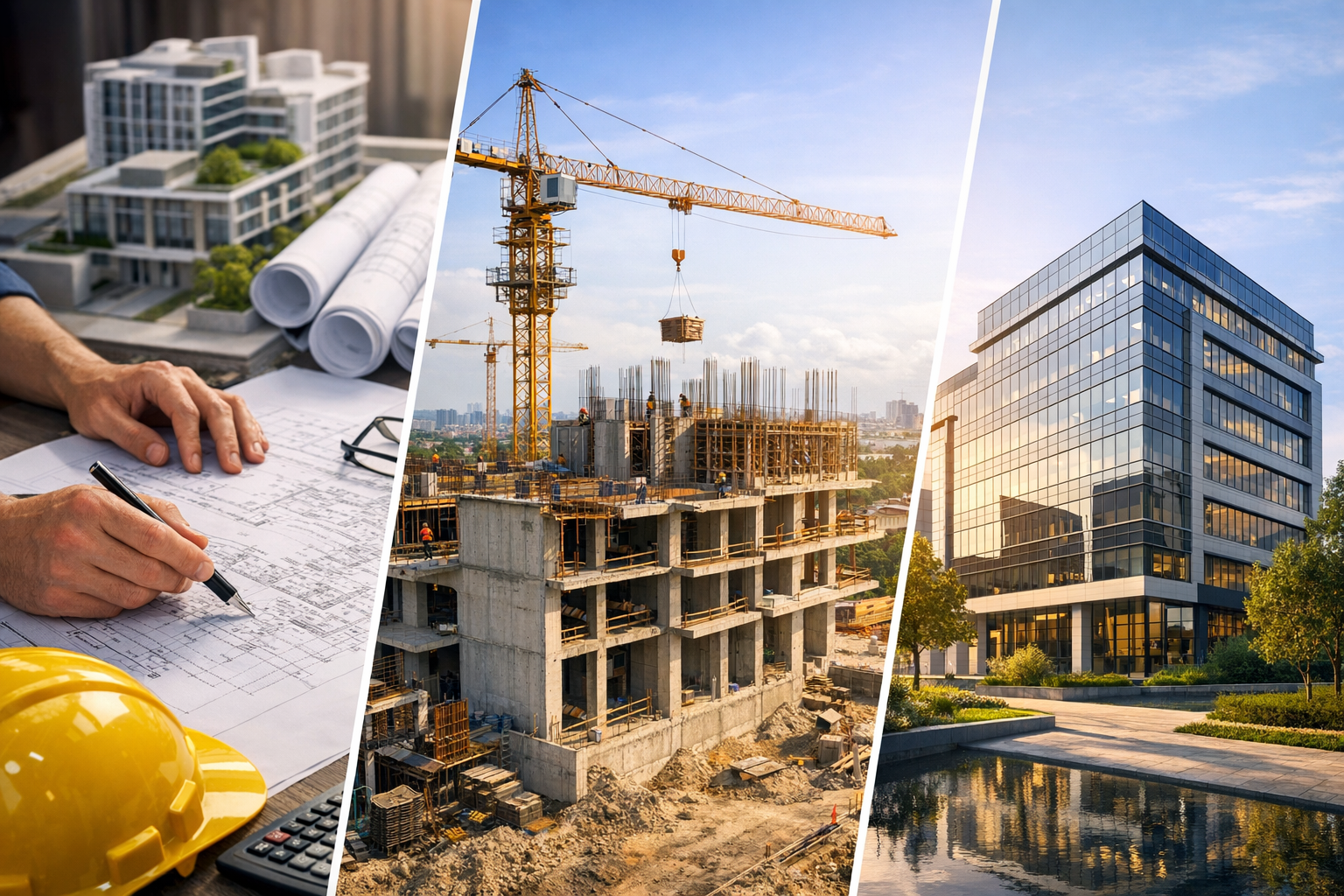
Construction projects are shaped by hundreds of connected decisions. Choices about scope, design, cost, schedule, procurement, and quality can affect one another long after they are made. Project lifecycle construction consulting helps owners coordinate those decisions from the first feasibility study through construction, handover, and early operations.
Rather than focusing on a single phase, a lifecycle consultant provides consistent guidance as a project develops. The result is a clearer path from the owner’s goals to a usable, well-performing asset—and fewer surprises along the way.
What Is Project Lifecycle Construction Consulting?
Project lifecycle construction consulting is professional support that spans the major stages of a building or infrastructure project. Depending on the owner’s needs, a consultant may advise on feasibility, budgeting, design management, procurement, construction oversight, commissioning, and closeout.
The consultant typically acts as an informed partner to the owner, helping translate business or community objectives into practical project requirements. They may coordinate architects, engineers, contractors, suppliers, and other specialists, while monitoring risks and keeping decisions aligned with approved priorities. The consultant does not replace the project team; they help the team work toward shared outcomes with greater visibility and accountability.
Key Stages of the Project Lifecycle
1. Feasibility and Project Definition
Early advice can prevent a project from advancing on assumptions that have not been tested. At this stage, consultants help clarify the need for the project, identify stakeholders, and define what success should look like. That might include capacity, functionality, sustainability targets, operating costs, or a required completion date.
Feasibility work can also examine potential sites, planning constraints, utilities, environmental considerations, and preliminary cost ranges. A risk assessment highlights uncertainties that could affect viability. With this groundwork, owners can compare options, set realistic expectations, and make a better-informed decision about whether and how to proceed.
2. Planning, Budgeting, and Design
Once the project is approved, lifecycle consulting helps turn broad objectives into a manageable plan. The consultant can support the project brief, establish governance and reporting processes, develop a master schedule, and create a cost plan that reflects the current scope. Allowances for escalation, contingency, and long-lead items should be considered rather than treated as afterthoughts.
During design, the consultant helps coordinate inputs from the design team and checks that proposed solutions remain consistent with the owner’s requirements. Regular reviews can identify gaps, clashes, scope changes, or costly details while there is still time to address them. Value analysis may compare alternatives based on whole-life value—not simply the lowest initial price. Clear change-control procedures also help owners understand the cost and schedule effects of design decisions.
3. Procurement and Preconstruction
Procurement strategy influences pricing, risk allocation, collaboration, and the owner’s degree of control. A consultant can help assess suitable delivery models, prepare bid documents, set evaluation criteria, and support a fair selection process. This makes it easier to compare proposals on a consistent basis, including qualifications, methodology, safety, schedule, and price.
Before work begins, preconstruction planning brings the selected team’s knowledge into the process. Consultants can help review constructability, phasing, logistics, permits, site access, and procurement schedules. They can also confirm that responsibilities and communication channels are understood. Resolving practical issues before mobilization reduces the likelihood of avoidable delays once construction is underway.
4. Construction Oversight and Project Controls
During construction, the consultant supports the owner by tracking progress against the approved budget, schedule, scope, and quality expectations. Regular site meetings and clear reports make emerging issues easier to see. When a contractor requests a change or identifies a delay, the consultant can help assess the supporting information, implications, and available responses.
Construction oversight may include reviewing payment applications, monitoring submittals and requests for information, documenting decisions, and escalating unresolved risks. The consultant can also help coordinate the owner’s decisions with the wider project team. This is especially valuable when a project involves multiple packages, occupied facilities, complex interfaces, or public stakeholders. The aim is not to eliminate every challenge, but to identify problems early and manage them transparently.
5. Commissioning, Closeout, and Operations
A building is not complete simply because construction work has ended. Commissioning checks that systems are installed, tested, and functioning as intended. Lifecycle consultants can help coordinate commissioning activities, track outstanding items, and confirm that staff receive the training and documentation needed to operate the facility.
Closeout typically includes inspections, correction of deficiencies, warranties, record drawings, manuals, permits, and final cost reconciliation. Organizing these deliverables before handover helps the owner avoid a rushed transition. After occupancy, a review of project outcomes can compare actual performance with the original goals and capture lessons for future work.
Why Use a Lifecycle Approach?
Support across the full lifecycle can improve continuity. Decisions made during planning are easier to carry through when the project team has a consistent understanding of scope, risks, and priorities. Owners also gain a clearer view of cost and schedule trends, along with a structured process for addressing changes.
Just as important, lifecycle thinking considers the asset beyond construction. A design that costs less to build may require more energy, maintenance, or staff time over its useful life. Consulting that accounts for operations and long-term value can help owners make choices that better suit the people who will use and maintain the facility.
Choosing the Right Construction Consultant
Look for relevant experience with projects of similar scale, complexity, and delivery method. Ask how the consultant manages reporting, risk, changes, and communication, and clarify which services are included at each phase. Strong consultants explain trade-offs in plain language, provide independent advice, and adapt their support to the owner’s internal capabilities.
Conclusion
Project lifecycle construction consulting connects early planning with delivery and long-term operations. With clear goals, practical oversight, and informed decisions at every stage, owners can manage complexity and give their projects a stronger chance of meeting expectations.