Construction Consulting for Large Projects: What It Is and Why It Matters
Introduction
Large construction projects bring together many moving parts: design teams, contractors, permits, budgets, schedules, safety requirements, and countless decisions that affect the final outcome. Without strong coordination, even well-funded projects can face delays, cost overruns, and avoidable risks. That is where construction consulting for large projects becomes essential.
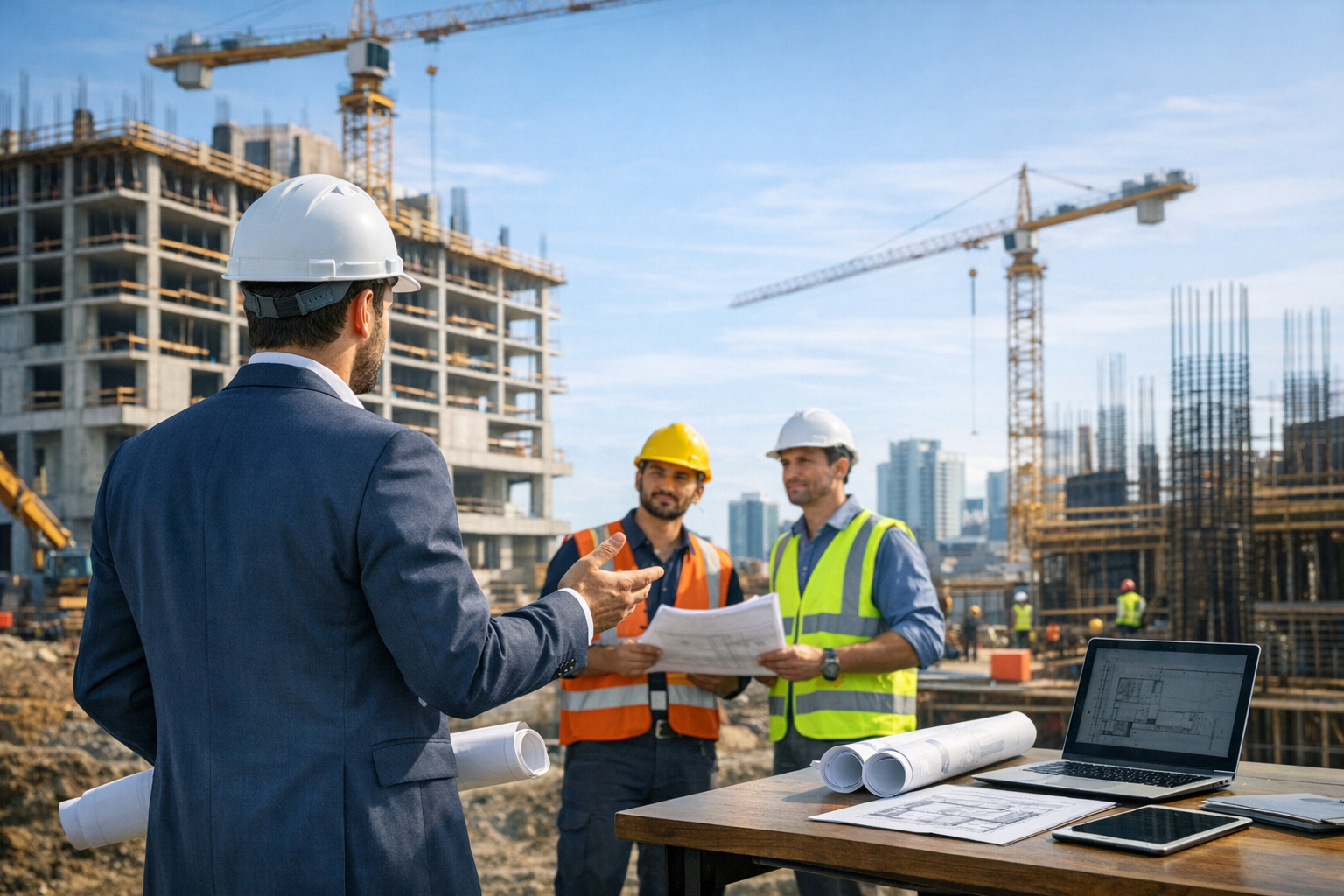
Construction consultants help owners and project teams plan smarter, manage complexity, and keep work aligned with business goals. Whether the project is a commercial tower, hospital, industrial facility, infrastructure expansion, or mixed-use development, consulting support can make the difference between a smooth delivery and a stressful one.
What Is Construction Consulting?
Construction consulting is professional advisory support that helps clients make informed decisions throughout a project’s lifecycle. Consultants are not typically the builders on site. Instead, they provide expert guidance in areas such as planning, budgeting, scheduling, procurement, risk management, quality control, and regulatory compliance.
For large projects, this role becomes even more valuable because the stakes are higher and the number of stakeholders is greater. A construction consultant serves as a strategic partner, helping project owners anticipate issues before they become expensive problems.
Why Large Projects Need Construction Consulting
Small projects can sometimes move forward with a lean team and limited oversight. Large projects are different. They often involve multiple phases, specialized trades, complex phasing plans, and strict deadlines. A single misstep can affect the entire timeline and budget.
Construction consulting adds structure and accountability. It helps ensure that the project team is working from a clear plan, that decisions are backed by data, and that risks are being managed proactively. This support is especially important when projects involve public funding, high regulatory scrutiny, or operational facilities that must remain open during construction.
Better Planning and Feasibility
Strong projects start with strong planning. Consultants review project goals, site conditions, design assumptions, and budget expectations to determine whether the proposed plan is realistic. They may identify gaps in scope, scheduling conflicts, constructability concerns, or procurement challenges before construction begins.
This early input helps owners avoid redesigns, change orders, and delays later in the process. It also creates a more reliable path from concept to completion.
Cost Control and Budget Management
One of the biggest concerns on any large project is cost. Construction consultants help establish realistic budgets, evaluate estimates, and track financial performance as the project progresses. They can also review bid packages, compare contractor proposals, and flag areas where savings may be possible without sacrificing quality.
By maintaining budget discipline early and often, consultants help prevent surprises that can put funding or project approval at risk.
Schedule Oversight
Large projects rarely go exactly as planned, but good scheduling reduces the chance of major disruption. Consultants review critical path schedules, coordinate milestones, and monitor progress against deadlines. If problems arise, they help identify the cause and recommend corrective action.
Schedule oversight is especially valuable when delays in one area could affect commissioning, occupancy, revenue generation, or public service delivery.
Risk Management
Large projects carry a wide range of risks: design errors, permitting delays, labor shortages, supply chain issues, weather impacts, and safety incidents, to name a few. Construction consultants help teams identify and prioritize these risks early, then develop mitigation strategies that reduce exposure.
Instead of reacting to problems after they happen, the project team can prepare in advance and respond with greater confidence.
Quality and Compliance
Meeting quality standards and regulatory requirements is non-negotiable on large projects. Consultants help establish quality benchmarks, inspect progress, and confirm that work aligns with design documents, codes, and contract requirements. They also support compliance with permitting, environmental rules, accessibility standards, and safety regulations.
When quality is monitored consistently, the finished project is more likely to perform as intended and require fewer corrections after handover.
Key Services Construction Consultants Provide
Construction consulting services can be tailored to the needs of the project, but they often include a mix of the following:
- Project feasibility reviews
- Budget development and cost estimating
- Schedule planning and progress tracking
- Procurement and bid analysis
- Constructability reviews
- Risk assessments and mitigation planning
- Quality assurance and inspection support
- Claims analysis and dispute avoidance
- Stakeholder coordination and reporting
Some consultants focus on a single specialty, while others offer full-service oversight across the project lifecycle. The right approach depends on the size, complexity, and goals of the build.
When to Bring in a Construction Consultant
The best time to involve a construction consultant is as early as possible. Many of the most expensive issues on large projects can be avoided during preconstruction, when teams are shaping scope, budget, and schedule. Early involvement allows consultants to influence decisions before they become fixed.
That said, consultants can still add value at any stage. They may be brought in during planning, design, procurement, active construction, or closeout. If a project is already facing delays, cost pressure, or coordination problems, consulting support can help stabilize the situation and reset priorities.
How to Choose the Right Construction Consultant
Not all consultants are the same, so selecting the right partner matters. Look for experience with projects similar in size and type to yours. A consultant with a strong background in hospitals, for example, may understand the unique operational and regulatory pressures of healthcare construction better than a generalist.
It is also important to evaluate communication skills, reporting clarity, and independence. The best consultants are not just technically strong; they are also organized, responsive, and able to work well with owners, designers, contractors, and other stakeholders. References, case studies, and a clear service scope can help you make a confident choice.
Conclusion
Construction consulting for large projects is about more than advice. It is about creating a smarter, more controlled process that protects time, money, quality, and long-term project success. With the right consultant involved, teams can reduce risk, improve decision-making, and keep even the most complex builds moving in the right direction.
If your project involves high stakes and many moving parts, consulting support is not a luxury. It is a practical investment in better outcomes.