Professional Closet Organizers and Designers: How They Transform Your Space
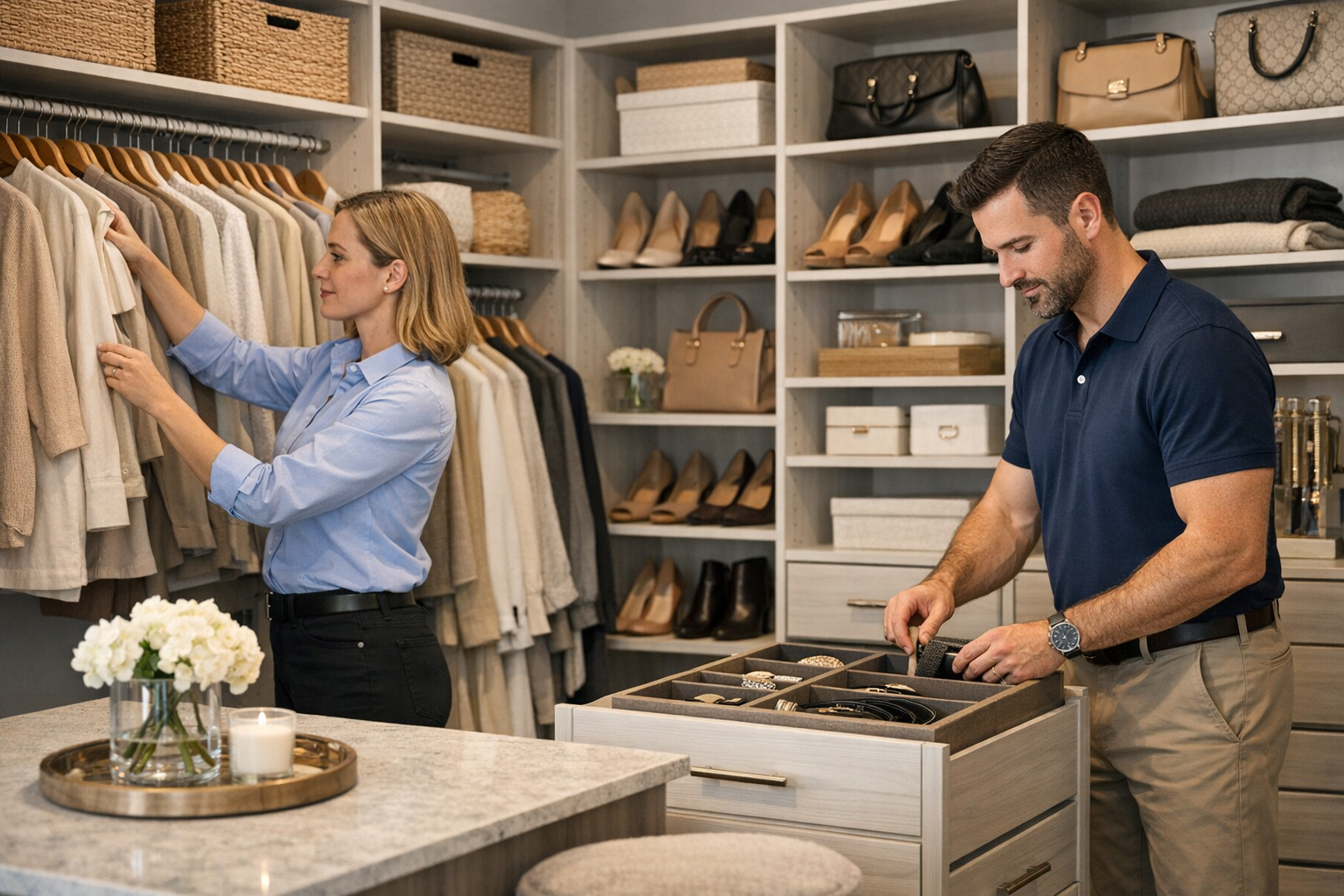
Professional closet organizers and designers do much more than tidy up a messy wardrobe. They create customized systems that make your space easier to use, more attractive, and better suited to your daily routine. Whether you are dealing with a small reach-in closet, a crowded primary suite, or a full walk-in dressing room, the right design can completely change how you start and end each day.
What Professional Closet Organizers and Designers Do
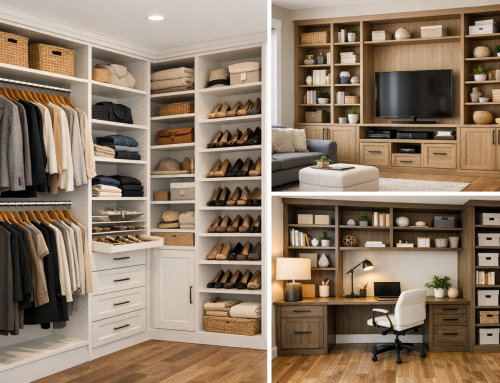
Professional closet organizers and designers assess your storage needs, your habits, and the layout of your home before creating a tailored solution. Their work often includes measuring the space, recommending shelving and hanging configurations, planning drawers and accessories, and selecting finishes that match your style.
Unlike a one-size-fits-all approach, a professional considers how you actually live. Do you need more short-hang space for blouses and shirts? Are shoes piling up on the floor? Do you share the closet with a partner and need better separation? These details shape the final design.
How they differ from DIY organizing
DIY organizing can help in the short term, but it often focuses on decluttering without solving the root problem. A professional organizer or designer looks at the bigger picture. They create systems that support long-term habits, reduce wasted space, and make it easier to keep everything in order.
They also bring experience with materials, hardware, and layout options. That means fewer mistakes, better use of vertical space, and a finished result that feels polished rather than improvised.
Benefits of Hiring a Closet Professional
Working with a professional offers practical and visual benefits. The biggest advantage is efficiency: when every item has a defined place, getting dressed becomes faster and less stressful. A well-planned closet also helps you see what you own, so you are less likely to buy duplicates or overlook items you already have.
There is also a value component. A thoughtfully designed closet can improve your home’s appeal and make the space feel more custom. In many cases, this type of upgrade adds daily convenience that homeowners appreciate immediately.
Maximizing storage in small and large spaces
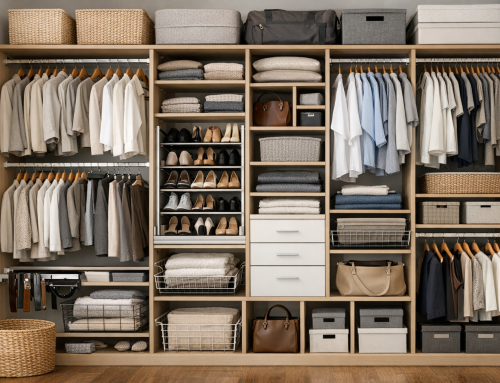
Closet professionals know how to make the most of every inch. In smaller closets, that may mean using double hanging rods, slim shelving, and vertical storage solutions. In larger closets, the focus may shift to creating zones for clothing, accessories, bags, and seasonal items.
The goal is not just to fit more into the space. It is to make the space more functional, so storage feels intuitive and clutter stays under control.
Creating a custom system for your lifestyle
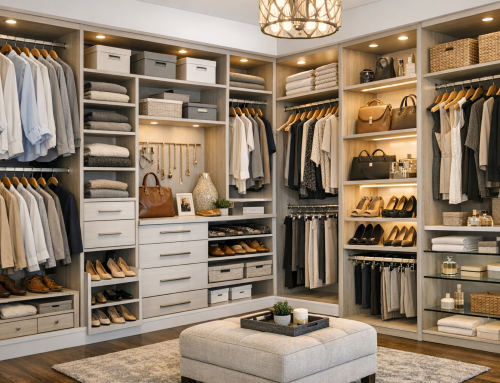
No two households are alike, and your closet should reflect that. A busy professional may need a streamlined layout with easy access to workwear. A family may need shared storage, labeled bins, and durable finishes. Someone with an extensive shoe or handbag collection may benefit from display shelving and specialty accessories.
Custom systems are designed around actual routines, which is what makes them so effective. They support habits you already have while gently reducing friction in your day.
What to Expect During the Design Process
The process usually begins with a consultation. During this stage, the designer reviews your goals, budget, and current frustrations. They may ask about your wardrobe, storage priorities, and the items that are hardest to keep organized.
Next comes measurement and planning. The professional evaluates the dimensions of the closet and creates a layout that balances hanging space, shelving, drawers, and specialty storage. Some designers provide digital renderings or mockups so you can visualize the final result before installation.
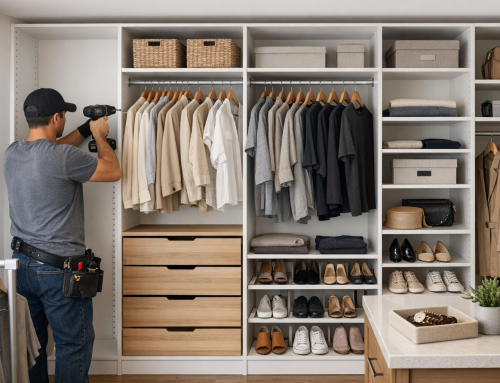
Once the design is approved, materials are selected and the system is installed. After that, many professionals help with final organization, including sorting items, assigning categories, and setting up a long-term maintenance plan.
Consultation and assessment
This is where the designer learns how you use your space. A strong consultation is both practical and collaborative. It gives the professional insight into your style, your storage needs, and any problem areas that should be addressed.
Layout, materials, and installation
After the assessment, the designer develops a layout that fits your space and budget. Material choices may include laminate, wood finishes, metal accents, or specialty hardware. Installation is typically handled by a team or coordinated through the designer to ensure the system fits properly and functions as intended.
Choosing the Right Professional for Your Project
Not every closet professional offers the same services. Some focus primarily on organization, while others specialize in design and built-in storage systems. Before hiring, review portfolios, ask about process, and look for experience with spaces similar to yours.
It is also important to discuss budget clearly. A good professional will help you prioritize what matters most, whether that means maximizing storage, improving aesthetics, or creating a luxury feel.
Questions to ask before hiring
- What type of closet projects do you specialize in?
- Do you offer both design and installation?
- Can you work within my budget?
- How do you customize solutions for different lifestyles?
- Will I receive a layout or rendering before installation?
These questions can help you compare professionals and find someone whose approach matches your goals.
Maintaining Your Newly Organized Closet
Even the best closet system needs occasional upkeep. The key is to build simple habits that keep the space functional over time. Return items to their designated spots, review clothing seasonally, and remove anything you no longer wear or need.
Professional organizers often recommend a quick reset every few weeks and a deeper refresh a few times a year. These small maintenance routines help preserve the order and prevent clutter from creeping back in.
Simple habits for long-term success
Use matching hangers, keep similar items together, and avoid overfilling shelves or drawers. If a category starts to overflow, it may be a sign that the system needs adjustment. The best closet designs are flexible enough to evolve with your life.
Conclusion
Professional closet organizers and designers bring structure, style, and smart planning to one of the most-used areas of the home. With a custom system in place, your closet can become easier to use, simpler to maintain, and far more enjoyable every day. If your storage space feels chaotic or inefficient, a professional solution may be exactly what you need.