Space-Saving Closet System Solutions: Smarter Storage for Every Home
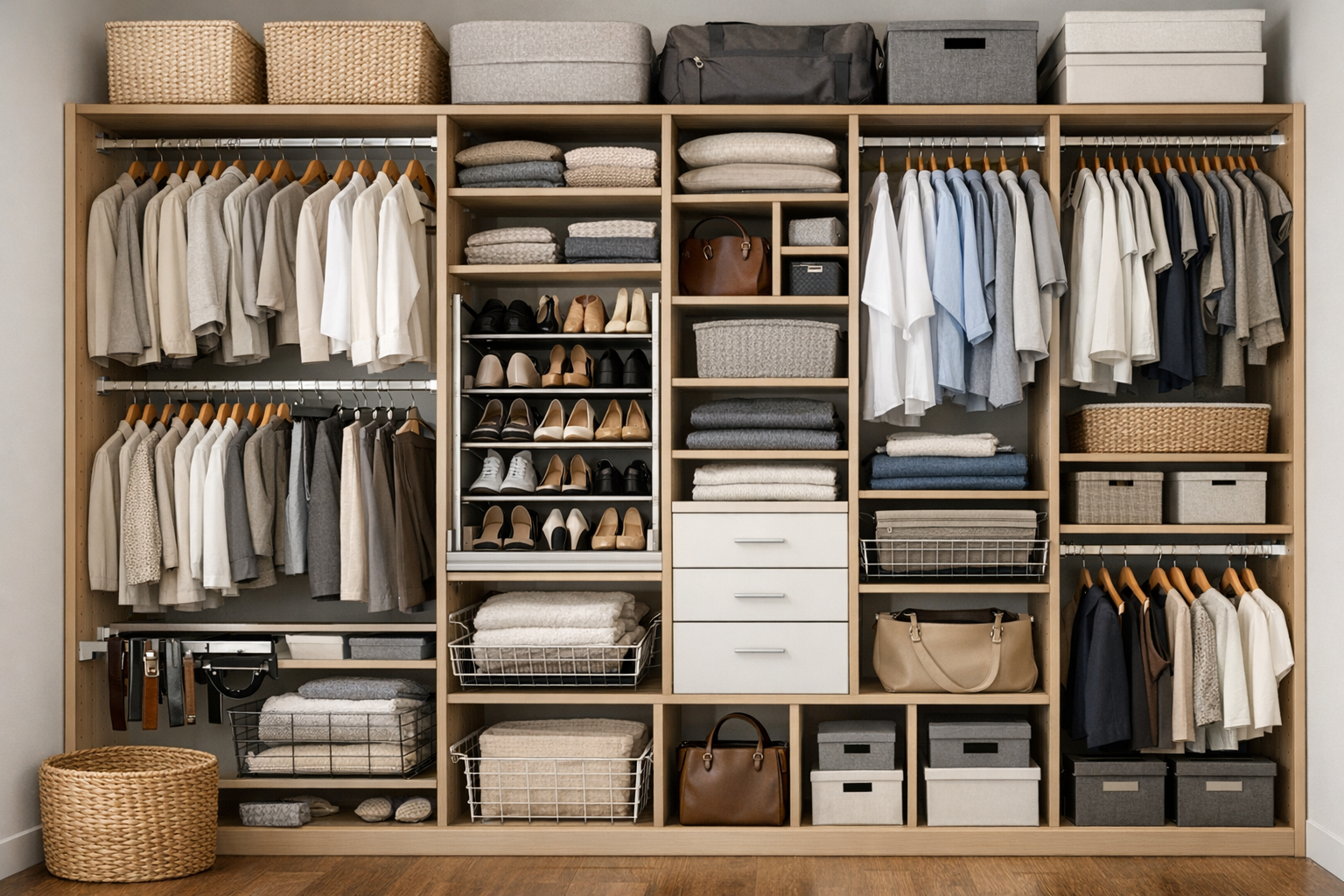
Why a Space-Saving Closet System Matters
A cluttered closet can make even a beautiful room feel cramped. A well-designed space-saving closet system helps you use every inch more efficiently, so clothes, shoes, accessories, and household items are easier to find and store. Whether you live in a small apartment, a busy family home, or a room with an awkward layout, the right system can turn wasted vertical space and deep corners into practical storage.
The best closet solutions do more than add shelves and rods. They create a layout that fits your lifestyle, reduces visual clutter, and makes getting ready each day faster and less stressful. With a few smart upgrades, you can often double your usable storage without expanding the closet footprint.
Assess Your Closet Before You Start
Before choosing a system, take time to evaluate how the closet is currently used. Start by removing everything and sorting items into categories: everyday clothing, seasonal wear, shoes, accessories, linens, or miscellaneous storage. This step helps you see what truly belongs in the closet and what can be moved elsewhere.
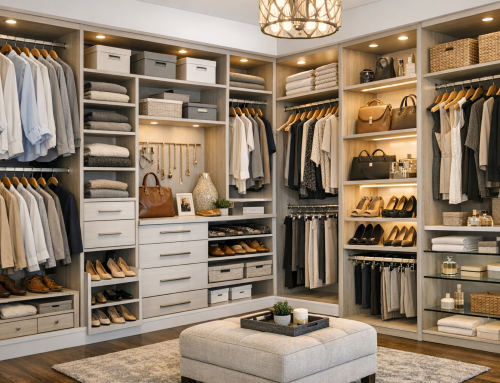
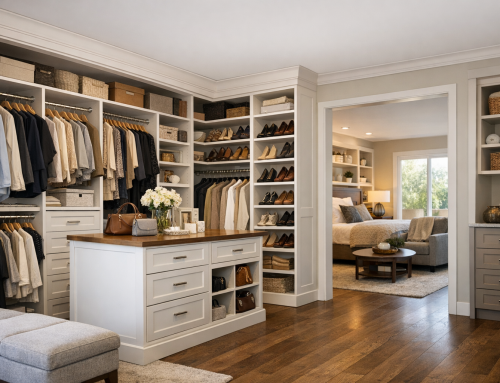
Measure the full space carefully, including width, depth, and height. Pay attention to obstacles like doors, vents, baseboards, and trim. Also consider how you access the closet. A reach-in closet may benefit from shallow shelving and double hanging rods, while a walk-in closet may support a more customized layout with drawers, cubbies, and a center island if space allows.
Smart Closet System Ideas for Small Spaces
Small closets need solutions that maximize vertical and hidden storage. Instead of relying on a single hanging bar, combine multiple elements that work together. The goal is to create layers of storage without making the space feel crowded.
Double Hanging Rods
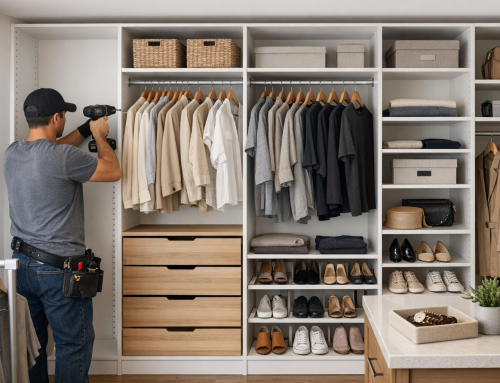
One of the simplest ways to save space is to install two hanging rods instead of one. This works especially well for shorter items like shirts, blouses, skirts, and folded pants. By using the upper and lower areas of the closet, you can nearly double your hanging capacity.
Adjustable Shelving
Adjustable shelves make it easy to adapt your closet as your needs change. Use them for folded sweaters, jeans, handbags, or bins. Shelves placed higher up are perfect for items you do not use every day, while lower shelves keep frequently used items within easy reach.
Vertical Storage Accessories
Over-the-door organizers, hanging shelves, hooks, and slim accessory racks can add storage without taking up floor space. These features are especially useful for belts, scarves, jewelry, hats, and small bags. When chosen carefully, they keep items visible and organized without creating bulk.
Choose the Right Components for Maximum Efficiency
A strong closet system combines several storage components rather than depending on one solution. The most effective setups usually include a mix of rods, shelves, drawers, and specialty organizers tailored to your wardrobe and habits.
Drawer Units for Hidden Organization
Drawers are ideal for undergarments, workout clothes, sleepwear, and smaller accessories. They reduce visual clutter and keep delicate items protected. In a compact closet, drawers can also serve as a better alternative to bulky bins because they make it easier to access what you need without stacking and unstacking containers.
Shoe Storage That Saves Space
Shoes often become the biggest source of floor clutter. Consider angled shoe shelves, stackable racks, pull-out trays, or cubbies depending on your space. If your closet is especially tight, storing off-season shoes in labeled bins can free up valuable daily-use space.
Pull-Out and Sliding Features
Pull-out accessories like tie racks, valet rods, and sliding baskets help make deep closets more functional. Because they extend outward only when needed, they are excellent for maximizing storage without sacrificing access. These details can make a small closet feel much more organized and intentional.
Make the Most of Vertical Space
Many closets are not limited by width but by poor use of height. If your closet has unused space near the ceiling, add upper shelves for luggage, extra bedding, or seasonal items. You can also install a second shelf above the main hanging rod to create more storage for bins or folded pieces.
For taller closets, a step stool stored nearby can make higher shelves practical instead of wasted. In some cases, extending storage all the way to the ceiling gives the closet a built-in look while significantly increasing capacity.
Keep the Closet Functional and Easy to Maintain
A great space-saving closet system should stay organized over time. To make maintenance easier, group similar items together and use labels where needed. Clear bins can help you quickly identify contents, while uniform hangers reduce visual clutter and create a cleaner, more streamlined look.
It also helps to follow a simple rule: keep everyday items at eye level and store rarely used items higher or lower. This reduces daily searching and makes the closet more efficient. If several family members share one closet, designate separate zones so each person has a defined space.
Style and Storage Can Work Together
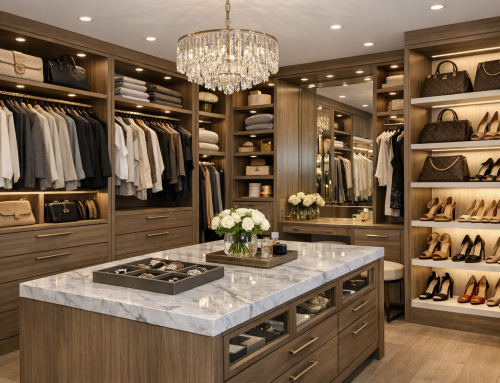
Space-saving closet systems do not have to look purely functional. Neutral finishes, matching baskets, and coordinated hardware can make the space feel polished and calming. Even in a small closet, design details matter. A tidy, attractive system encourages you to keep it that way and can make the room feel larger overall.
If you are updating a bedroom or hallway closet, choose materials and colors that complement the surrounding space. Light finishes can help the closet appear brighter, while reflective surfaces and proper lighting improve visibility and create a more open feel.
Conclusion
The best space-saving closet system solutions combine smart planning, flexible storage, and simple organization habits. By using vertical space, choosing the right components, and tailoring the layout to your routine, you can create a closet that feels bigger, works harder, and stays easier to manage every day.