Retail Millwork Design and Fabrication: Creating Store Fixtures That Sell
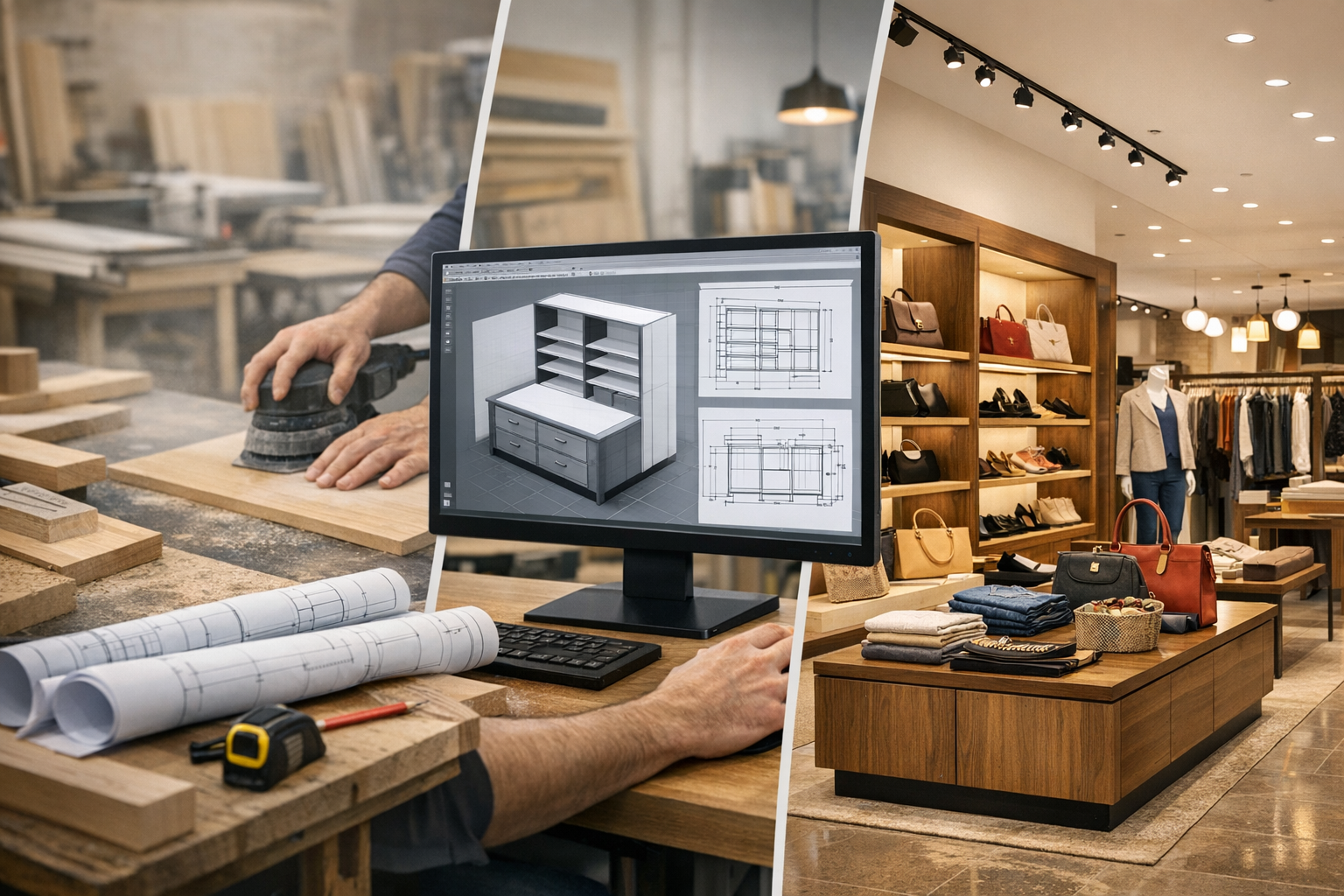
Retail Millwork Design and Fabrication: Why It Matters
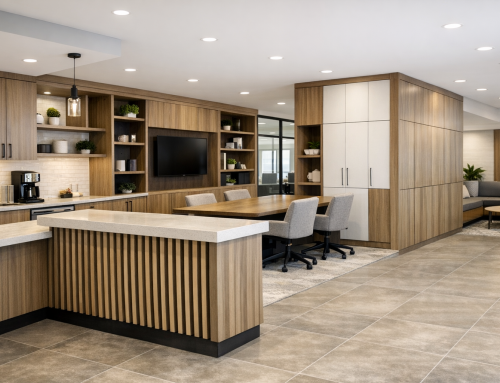
Retail millwork design and fabrication play a major role in how customers experience a store. From display fixtures and checkout counters to branded wall features and product shelving, millwork shapes both the look and function of a retail environment. Well-designed millwork helps create a polished brand presence, improves traffic flow, and makes it easier for shoppers to find and interact with products.
In a competitive retail market, details matter. Custom millwork can turn a standard space into a memorable shopping destination while supporting practical needs like durability, storage, and merchandising flexibility. When design and fabrication work together, the result is a store environment that feels cohesive, efficient, and aligned with business goals.
The Retail Millwork Design Process
Retail millwork design begins with understanding the brand, the space, and the customer journey. Designers consider everything from floor plans and product categories to lighting, sightlines, and material choices. The goal is to create fixtures that are visually appealing and highly functional.
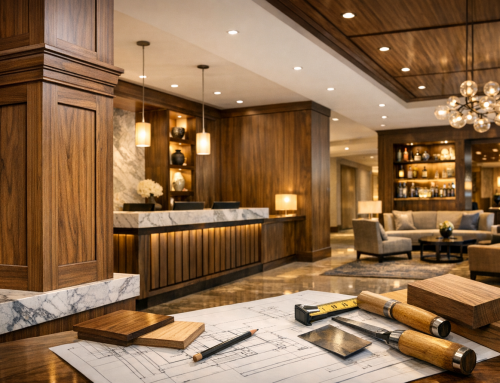
During the design phase, teams often develop concept drawings, shop drawings, and 3D renderings to help visualize the final result. These tools make it easier to refine dimensions, finishes, and features before fabrication begins. This early planning helps prevent costly changes later and ensures the final millwork supports both design intent and operational needs.
Balancing Brand Identity and Function
Good retail millwork does more than look attractive. It reinforces the brand story through colors, textures, and forms while also meeting day-to-day requirements. A luxury boutique may need elegant display cases and refined finishes, while a high-traffic convenience store may prioritize durability and easy maintenance. The best designs balance brand expression with practical use.
Planning for Customer Experience
Customer experience should guide every millwork decision. Fixtures should help direct traffic, highlight featured products, and make browsing feel intuitive. Strategic placement of counters, shelving, and display units can encourage exploration and improve conversion. Thoughtful design also considers accessibility, ensuring that spaces are comfortable and usable for all shoppers.
Key Materials Used in Retail Millwork
The materials selected for retail millwork affect appearance, performance, and budget. Common choices include hardwoods, veneers, laminates, MDF, metal accents, glass, and solid surface materials. Each material offers distinct benefits depending on the project’s goals.
For example, laminates can provide a clean, cost-effective finish for high-use areas, while hardwood veneers may be chosen for premium spaces that need a more upscale appearance. Metal and glass are often used for modern displays, while durable solid surfaces work well for counters and service areas. Material selection should always align with the store’s brand, expected traffic, and maintenance requirements.
Fabrication: Turning Design into Reality
Once the design is approved, the fabrication process begins. Retail millwork fabrication involves cutting, assembling, finishing, and inspecting each component to ensure it meets exact specifications. This stage requires skilled craftsmanship, precision equipment, and strong quality control.
Fabricators use detailed shop drawings and measurements to produce fixtures that fit the space correctly. In many cases, fixtures are built in a controlled shop environment before being transported to the site for installation. This approach improves consistency and reduces disruption during store buildouts or remodels.
Precision and Quality Control
Retail fixtures must be accurate to the smallest detail. Even minor errors can cause installation problems or affect how products are displayed. Quality control checks throughout fabrication help confirm dimensions, finish consistency, hardware placement, and structural integrity. This attention to detail is especially important for multi-location retail rollouts, where every store needs to look and function the same.
Customization and Scalability
One of the biggest advantages of retail millwork fabrication is customization. Fixtures can be tailored to specific product lines, store layouts, and brand standards. At the same time, experienced fabricators can create systems that scale across multiple locations, allowing retailers to maintain consistency while adapting to different floor plans or market needs.
Benefits of Professional Retail Millwork
Investing in professional retail millwork design and fabrication offers several long-term benefits. Custom fixtures can improve product visibility, support stronger branding, and make the shopping experience more enjoyable. Well-built millwork also tends to last longer, reducing replacement costs and helping stores maintain a clean, professional appearance.
Retailers also benefit from improved operational efficiency. Custom counters, storage solutions, and display systems can streamline staff workflow and make restocking easier. When millwork is designed with both customers and employees in mind, it contributes to better performance across the store.
Supporting Sales and Merchandising
Millwork is a powerful merchandising tool. Displays can be designed to spotlight seasonal items, new arrivals, or high-margin products. The right fixtures help tell a story, guide attention, and encourage purchase decisions. In this way, millwork becomes part of the sales strategy rather than just a background element.
Improving Durability and Maintenance
Retail spaces experience constant use, so durability is essential. Professional fabrication ensures that fixtures are built to withstand heavy traffic, frequent cleaning, and daily wear. Choosing appropriate materials and finishes can also reduce maintenance needs and keep the store looking fresh over time.
Choosing the Right Millwork Partner
Selecting the right design and fabrication partner is critical to project success. Look for a team with experience in retail environments, strong technical capabilities, and a proven process for communication and project management. A reliable partner should understand store branding, fixture functionality, and installation requirements.
It is also important to choose a team that can collaborate closely with architects, designers, contractors, and store operations staff. Strong coordination helps keep projects on schedule and within budget while ensuring the final result matches expectations.
Conclusion
Retail millwork design and fabrication are essential to creating stores that look great, function well, and support business goals. From the first concept drawings to the final installed fixture, every step affects the customer experience and the performance of the space. With the right planning, materials, and craftsmanship, custom millwork can elevate a retail environment and help brands stand out in a crowded marketplace.