Millwork Fabrication and Installation: A Complete Guide for Better Results
Millwork Fabrication and Installation: What It Is and Why It Matters
Millwork fabrication and installation is the process of designing, building, finishing, delivering, and installing custom woodwork and architectural details for a space. This can include cabinets, wall paneling, reception desks, shelving, trim, moulding, doors, display fixtures, and other custom pieces that bring function and character to a room.
When done well, millwork does more than look polished. It helps a business or home feel complete, supports daily use, and creates a lasting first impression. From a retail store that needs durable display units to an office that needs a custom reception desk, millwork combines craftsmanship with practicality.
The success of any millwork project depends on careful planning, precise fabrication, and expert installation. If one stage is rushed or handled poorly, the final result can be uneven, costly, or difficult to maintain. That is why it is important to understand the full process from start to finish.
The Millwork Fabrication Process
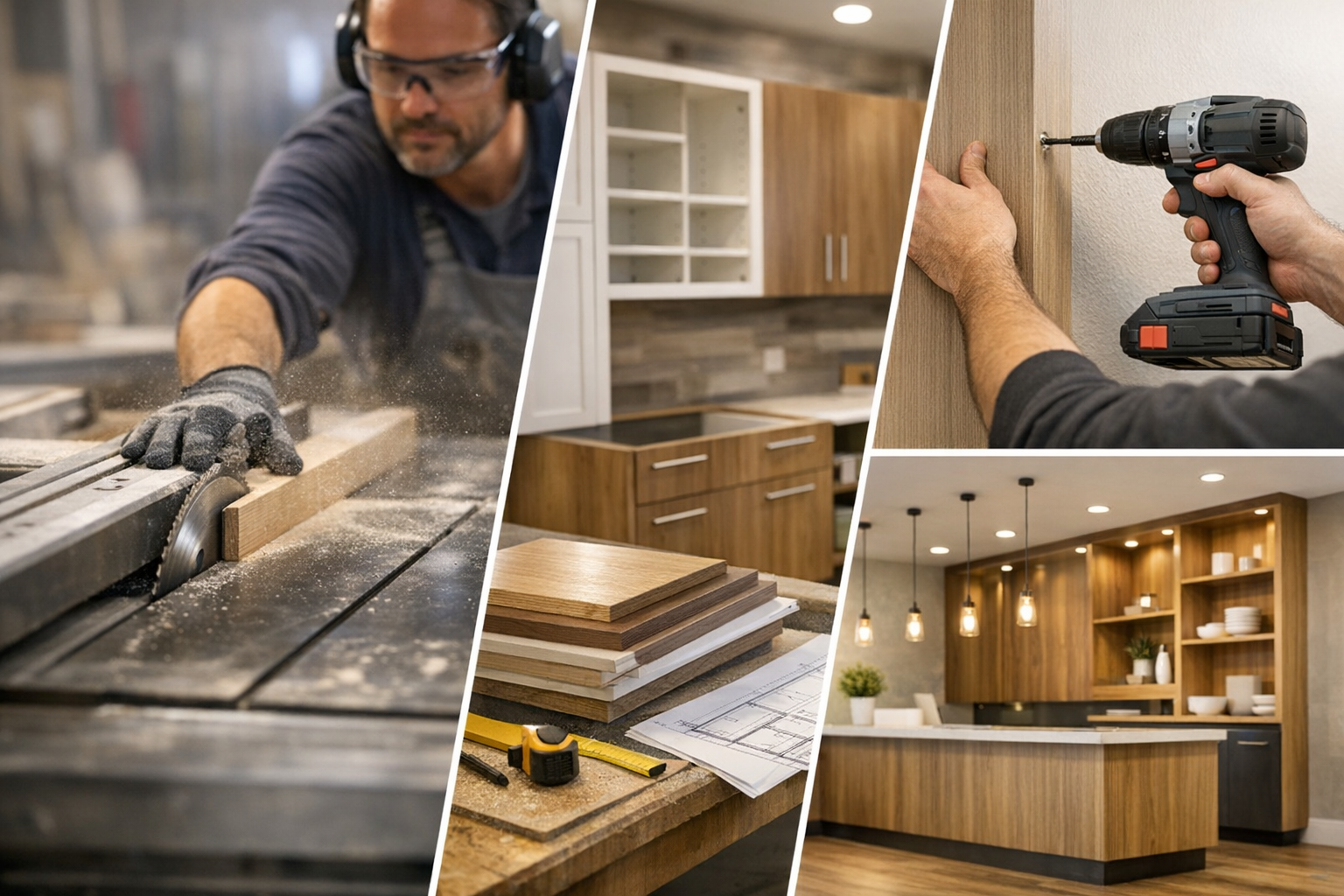
Fabrication is the stage where ideas and drawings become real pieces. It starts with measurements, design documents, and material selection, then moves into cutting, assembling, sanding, finishing, and quality checks. Each step affects how the finished product will look and perform once installed.
During the fabrication phase, attention to detail matters. Millwork must be built to exact dimensions so it fits the intended space with minimal adjustments onsite. Skilled fabricators also consider durability, moisture resistance, fire ratings, and the overall design style of the project.
Material Selection and Design
The first major decision is material selection. Common options include hardwoods, plywood, MDF, laminate, veneer, and specialty panels. The right choice depends on the project goals, budget, and environment. For example, a high-traffic commercial lobby may need more durable and low-maintenance materials than a residential built-in.
Design also plays a major role. Millwork should complement the architecture of the space while meeting functional needs. Good shop drawings help ensure every piece aligns with the project layout, trim details, hardware, and finish requirements.
Precision Manufacturing and Quality Control
Once the design is approved, fabrication begins in the shop. Modern mills often use a mix of traditional craftsmanship and advanced equipment such as CNC machines, saws, routers, edge banders, and spray finishing systems. This combination helps achieve consistent results and efficient production.
Quality control is essential throughout manufacturing. Each component should be checked for accurate dimensions, clean joints, smooth surfaces, and proper finish application. Catching issues early reduces delays and prevents expensive corrections during installation.
What Happens During Millwork Installation
Installation is where the project comes together onsite. Even perfectly fabricated pieces can fall short if they are not installed correctly. Professional installers make sure the millwork fits the space, functions as intended, and looks seamless with the surrounding finishes.
Before installation starts, the site should be ready. Walls, floors, ceilings, and utilities need to be inspected so the crew can work efficiently. Installers often coordinate with contractors, electricians, painters, and designers to avoid conflicts and keep the schedule moving.
Site Preparation and Coordination
Proper site preparation saves time and prevents problems. The area should be clean, level, and accessible, with final measurements verified before materials arrive. If the site is not ready, even well-built millwork can become difficult to fit.
Coordination is especially important on commercial projects. Millwork may need to align with lighting, flooring transitions, HVAC components, or built-in technology. Clear communication between the fabricator, installer, and other trades helps ensure everything fits together without surprises.
Installation, Adjustments, and Finishing Touches
During installation, each piece is positioned, secured, leveled, and joined with precision. Installers may need to make small adjustments onsite to account for slight variations in walls or floors. These refinements are normal and part of achieving a polished final result.
The final stage includes touch-ups, hardware installation, seam checking, and cleanup. If the project includes custom stain or paint, installers may need to repair minor surface marks so the finished product looks seamless. A professional installation should appear intentional, sturdy, and refined.
Why Professional Millwork Services Are Worth It
Choosing experienced professionals for fabrication and installation can make a major difference in the outcome. Custom millwork is an investment, and professional service helps protect that investment by reducing errors, delays, and rework.
Experienced teams understand how to translate design intent into practical, buildable solutions. They know how to manage tolerances, recommend suitable materials, and anticipate challenges before they become costly problems. This knowledge is especially valuable on complex projects with tight schedules or unique architectural conditions.
Professional millwork services also improve consistency. Whether the project involves one feature wall or an entire commercial build-out, skilled fabrication and installation help ensure the final product meets expectations in both appearance and performance.
Common Challenges in Millwork Projects
Several issues can affect millwork projects if they are not managed carefully. Inaccurate field measurements can lead to pieces that do not fit properly. Poor material selection can cause premature wear, especially in humid or high-use environments. Delays in coordinating with other trades can also slow installation and increase project costs.
Another common challenge is underestimating the importance of finish work. Small gaps, visible fasteners, uneven seams, or inconsistent color can reduce the quality of the final result. That is why both fabrication and installation should be treated as equally important parts of the process.
How to Get Better Results from Millwork Fabrication and Installation
The best results come from early planning, clear communication, and attention to detail. Start by defining the purpose of the millwork and the look you want to achieve. Then work with a team that can provide accurate drawings, material guidance, and realistic scheduling.
It also helps to involve the fabricator early in the project. Their experience can identify potential issues before work begins, which can save time and money later. During installation, be sure the site is ready and that all involved trades know the schedule and expectations.
When fabrication and installation are handled as one coordinated process, the finished millwork looks better, lasts longer, and adds real value to the space.
Conclusion
Millwork fabrication and installation are about more than building custom wood pieces. They combine design, precision, craftsmanship, and coordination to create functional features that elevate a space. By focusing on quality at every stage, you can achieve a result that is both beautiful and built to last.