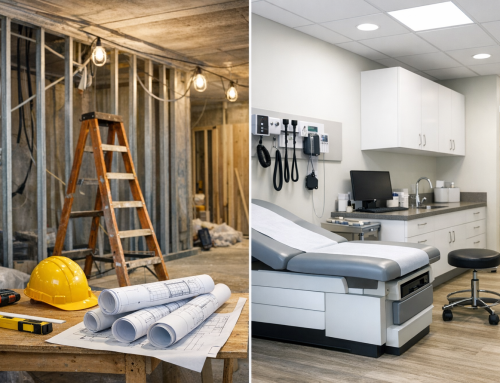
What a Tenant Improvement General Contractor Does and Why It Matters
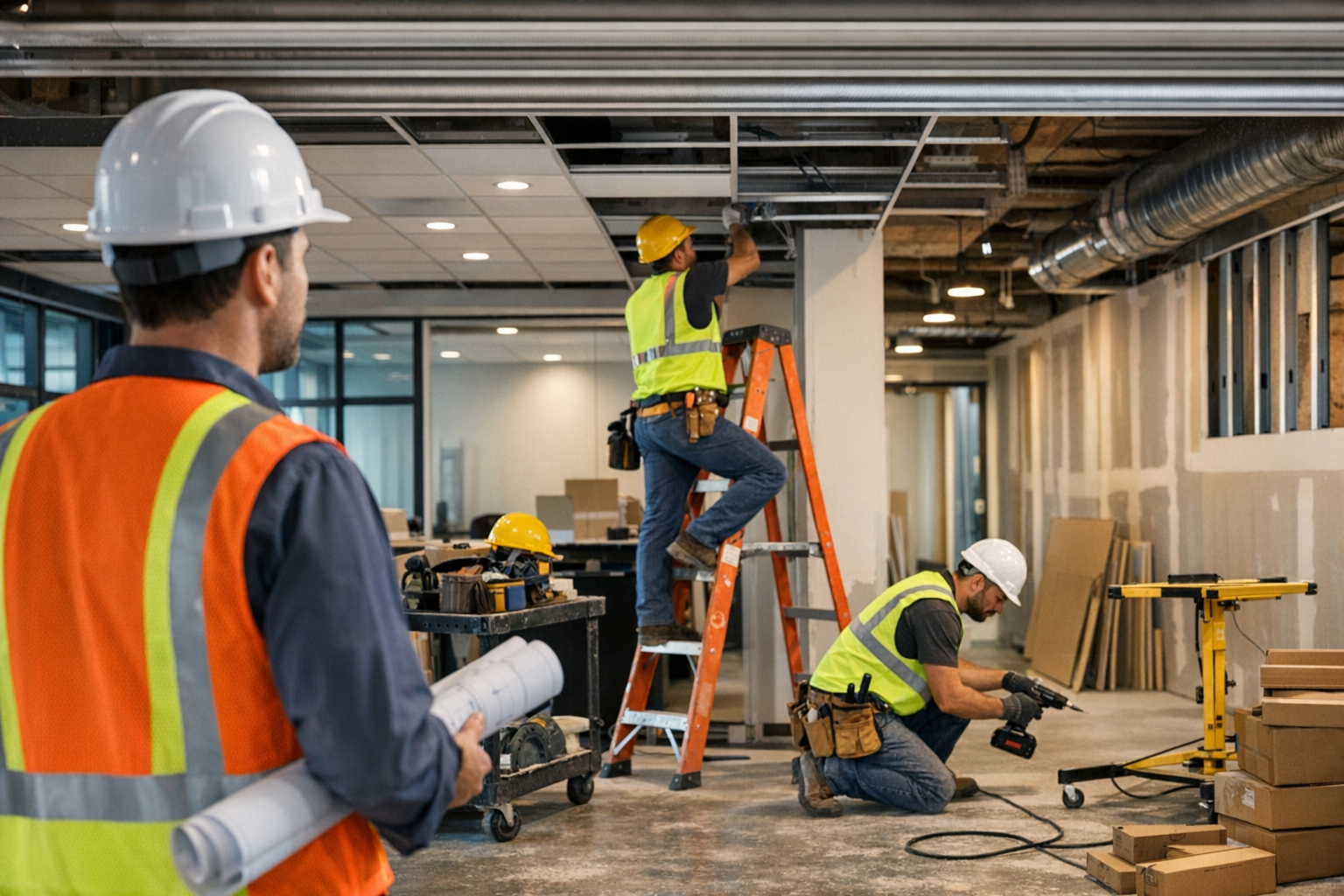
What Is a Tenant Improvement General Contractor?
A tenant improvement general contractor specializes in renovating or customizing commercial spaces for a new tenant or an existing tenant’s changing business needs. These projects are often called TI projects, build-outs, or leasehold improvements. Unlike a general contractor who may work on broader construction scopes, a tenant improvement general contractor focuses on making leased space functional, code-compliant, and tailored to the tenant’s operations.
This role is especially important in offices, retail stores, restaurants, medical suites, and industrial spaces. The contractor coordinates the work from start to finish, helping turn an empty shell or outdated unit into a productive, branded, and move-in-ready environment.
Core Responsibilities of a Tenant Improvement General Contractor
A tenant improvement general contractor manages the details that keep a build-out on schedule and within budget. Their responsibilities usually include planning, coordinating subcontractors, securing permits, scheduling inspections, ordering materials, and overseeing day-to-day construction activities.
They also work closely with the tenant, property owner, architect, and engineers to make sure the design fits the lease requirements and the building’s existing systems. This can involve demolition, framing, electrical upgrades, plumbing changes, HVAC modifications, drywall, flooring, lighting, painting, and finish work.
Just as important, the contractor helps resolve issues that often come up in occupied buildings, such as noise restrictions, limited work hours, building access, and coordination with other tenants.
Why Tenant Improvement Projects Need Specialized Experience
Tenant improvement work is different from new construction. The contractor is often working inside an existing building, which means there are more unknowns and more coordination required. Hidden conditions behind walls, outdated infrastructure, and building-specific rules can all affect the project.
An experienced tenant improvement general contractor understands how to navigate these challenges. They know how to work within lease agreements, meet landlord standards, and comply with local building codes and ADA requirements. This experience reduces delays, avoids costly mistakes, and helps the tenant open sooner.
Specialized experience also matters because different industries have different needs. A law office, dental clinic, boutique, and café each require a unique layout, electrical load, plumbing configuration, and finish level. The right contractor understands how to adapt the space for the tenant’s specific business model.
How the Tenant Improvement Process Works
1. Initial Assessment and Planning
The process usually begins with a site walkthrough and an evaluation of the space. The contractor reviews the existing conditions, discusses the tenant’s goals, and identifies any structural, mechanical, or code-related concerns. At this stage, the project scope, timeline, and budget are developed.
2. Design and Permitting
Next, the contractor works with the design team to finalize plans and specifications. These documents are then submitted for permits and approvals. In many commercial projects, this step can take time, so an experienced contractor helps move the process along by ensuring plans are complete and coordinated before submission.
3. Construction and Coordination
Once permits are approved, construction begins. The tenant improvement general contractor manages subcontractors and keeps each phase moving in the proper order. This may include demolition, rough-in work, inspections, and finishing. Good coordination is essential because delays in one trade can affect the entire schedule.
4. Final Walkthrough and Closeout
After construction is complete, the contractor performs final punch list items, completes inspections, and prepares the space for occupancy. Closeout documentation may include warranties, manuals, permits, and as-built drawings. This final step ensures the tenant can move in with confidence.
Benefits of Hiring the Right Contractor
Hiring the right tenant improvement general contractor can make the difference between a smooth project and a stressful one. A qualified contractor brings organization, accountability, and practical problem-solving to the table.
Some of the biggest benefits include:
- Better control over schedule and budget
- Clear communication between all project stakeholders
- Reduced risk of code violations and permit delays
- Professional coordination of trades and inspections
- A finished space that supports the tenant’s brand and operations
For business owners, these benefits translate into less downtime and a faster path to opening or expanding. For property owners, they create improvements that are completed correctly and protect the value of the building.
How to Choose a Tenant Improvement General Contractor
Choosing the right contractor starts with looking for relevant experience. Ask whether they have completed projects similar to yours in size, type, and industry. A contractor with office build-out experience may not be the best fit for a restaurant or healthcare suite, where mechanical and code requirements are more complex.
It is also wise to review references, past project photos, licensing, insurance, and their ability to work within occupied buildings. A good tenant improvement general contractor should communicate clearly, provide realistic timelines, and explain potential challenges before they become problems.
Finally, look for a contractor who understands collaboration. Tenant improvement projects often involve landlords, brokers, architects, and engineers. A team-oriented contractor helps everyone stay aligned and keeps the project moving forward.
Conclusion
A tenant improvement general contractor plays a key role in transforming commercial space into a place where a business can thrive. From planning and permitting to construction and final closeout, the right contractor brings the expertise needed to complete the project efficiently and professionally. If you are preparing for a build-out, choosing an experienced tenant improvement partner is one of the smartest steps you can take.