Senior-Friendly Home Remodeling Contractors: What to Look For and Why They Matter
Senior-Friendly Home Remodeling Contractors: What to Look For and Why They Matter
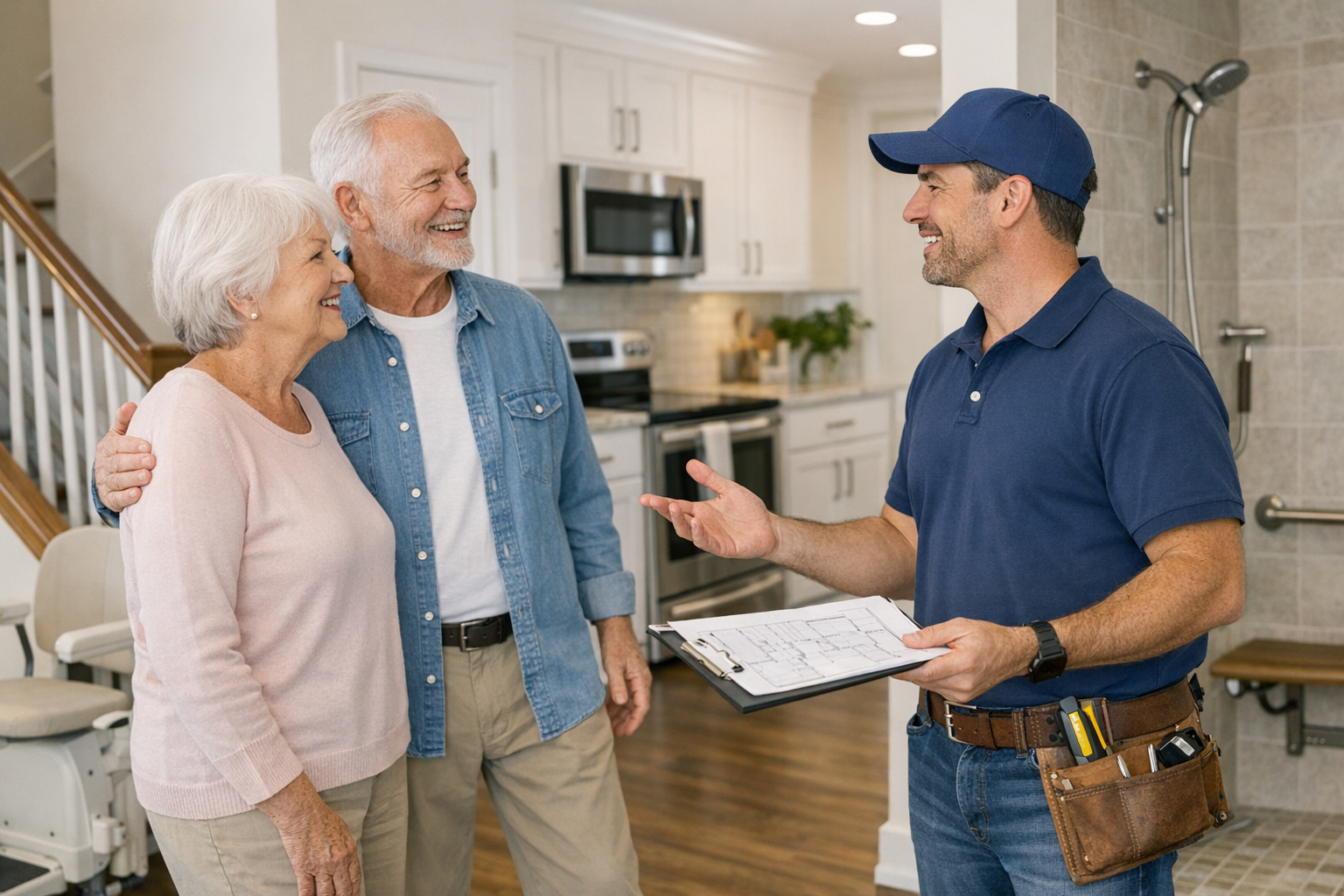
As people grow older, a home should continue to feel safe, comfortable, and easy to navigate. The right remodeling project can make daily routines simpler, reduce the risk of falls, and help older adults stay independent for longer. That is why choosing senior-friendly home remodeling contractors is so important. These professionals understand how to design spaces that support mobility, accessibility, and long-term comfort without making a home feel institutional.
Why senior-friendly remodeling is different
Remodeling for seniors is about more than updating finishes or following the latest design trends. It requires careful planning around movement, balance, strength, vision, and future needs. A skilled contractor will think about how a person gets in and out of the house, moves through hallways, uses the bathroom, cooks in the kitchen, and rests in living spaces.
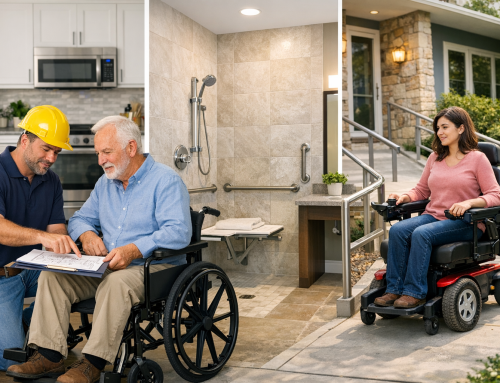
Unlike general remodeling, senior-friendly projects often focus on practical changes such as wider doorways, no-step entries, improved lighting, slip-resistant flooring, grab bars, walk-in showers, and easier-to-reach storage. These upgrades can have a major impact on safety and independence while still looking attractive and modern.
Key qualities to look for in a contractor
Not every remodeling contractor has experience with aging-in-place projects. When searching for the right professional, look for someone who listens carefully, asks thoughtful questions, and understands the needs of older adults and their families. Experience with accessibility features is essential, but so is good communication.
A dependable contractor should be willing to explain options clearly, offer realistic timelines, and provide detailed estimates. They should also understand local building codes and any accessibility guidelines that may apply. If the homeowner uses a walker, wheelchair, or other mobility aid, the contractor should know how to design the space around those needs without sacrificing comfort or style.
It is also helpful to choose someone with strong references and a portfolio that includes bathroom remodels, kitchen updates, entryway improvements, or whole-home modifications for seniors. A contractor who has done this type of work before is more likely to anticipate common challenges and recommend practical solutions.
Common senior-friendly remodeling projects
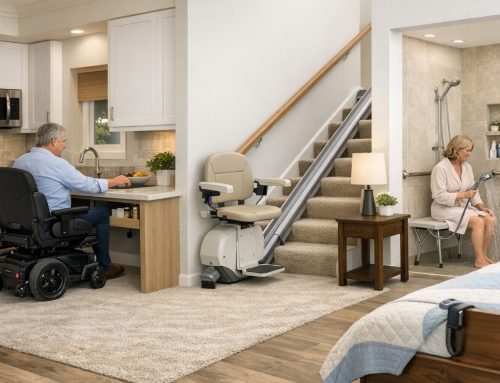
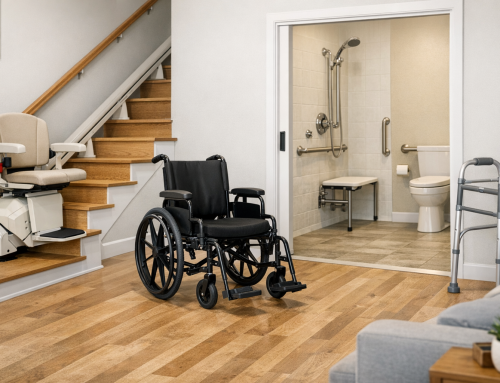
Many senior-friendly remodeling projects focus on the parts of the home that create the biggest safety risks. Bathrooms are often a top priority because wet surfaces and tight spaces can be dangerous. A contractor may recommend a curbless shower, built-in shower seat, handheld showerhead, comfort-height toilet, and strategically placed grab bars.
Kitchens are another important area. Lowering counters, improving task lighting, adding pull-out shelves, and using easy-to-grip hardware can make cooking and cleanup more manageable. In some homes, replacing traditional cabinets with drawer storage or adding a pull-down shelving system can reduce strain and improve accessibility.
Other popular updates include stair lifts, improved outdoor walkways, better lighting throughout the home, lever-style door handles, and non-slip flooring. Even small changes can make a big difference in preventing accidents and making everyday tasks easier.
Questions to ask before hiring
Before signing a contract, ask potential contractors a few important questions. Have they completed aging-in-place or accessibility remodeling projects before? Can they provide examples of similar work? How do they handle changes during the project? What is their process for staying on budget and on schedule?
You should also ask whether they work with occupational therapists, designers, or other professionals who specialize in senior living needs. Some projects benefit from a team approach, especially when the goal is to improve mobility, reduce fall risks, or plan for future health changes.
Another key question is how they handle safety during construction. Older adults may already have mobility concerns, so the contractor should have a clear plan to minimize disruption and keep the home as safe as possible while work is underway.
Why communication and trust matter
Home remodeling can be stressful for anyone, but it is especially important to have a contractor who communicates well with seniors and their families. Clear updates, respectful service, and patience can make the process much smoother. The best contractors take time to understand the homeowner’s goals, not just the technical side of the project.
Trust is also critical when the project involves a family member’s long-term living space. A good contractor will be transparent about costs, honest about limitations, and flexible enough to adjust plans when needed. This kind of partnership helps ensure the final result truly supports the homeowner’s lifestyle.
Planning for the future, not just today
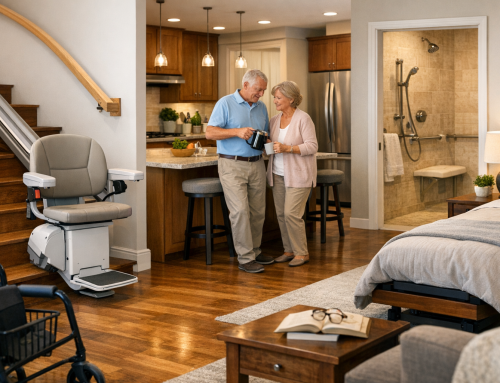
One of the biggest advantages of hiring senior-friendly home remodeling contractors is the ability to plan ahead. A home may work well today, but needs can change over time. Remodeling with the future in mind helps avoid repeated renovations and creates a space that can adapt as mobility or health needs evolve.
For example, a homeowner may not need a wheelchair-accessible layout right now, but choosing wider doorways, reinforcing bathroom walls for future grab bars, or installing a no-step shower can save time and money later. Forward-thinking design is one of the smartest investments a family can make.
Conclusion
Senior-friendly home remodeling contractors play an important role in helping older adults live safely and comfortably at home. By choosing a contractor with the right experience, communication skills, and understanding of accessibility needs, families can create spaces that support independence for years to come. Whether the project is a bathroom update, kitchen improvement, or whole-home modification, the right contractor can make the home safer, more functional, and more enjoyable to live in.