A Practical Guide to Home Accessibility Improvement Services
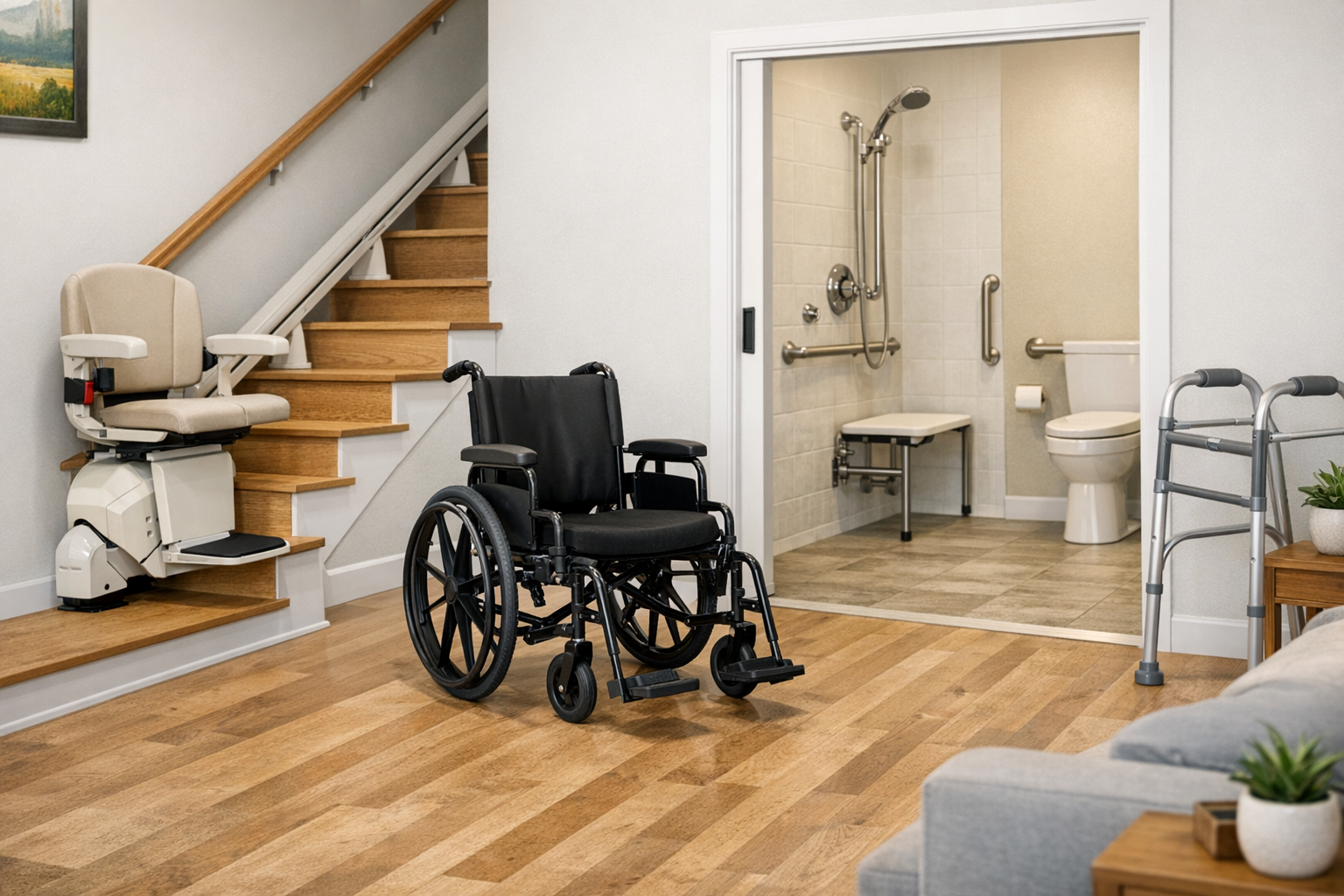
Understanding Home Accessibility Improvement Services
Home accessibility improvement services help make living spaces safer, easier to navigate, and more comfortable for people of all ages and mobility levels. These services are designed to reduce barriers in the home so residents can move around with greater independence and confidence. Whether someone is aging in place, recovering from an injury, or living with a disability, accessibility upgrades can make a meaningful difference in daily life.
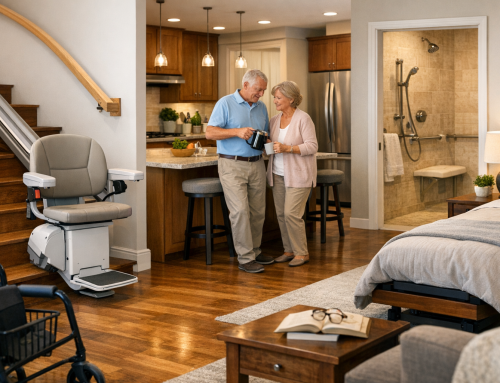
Unlike cosmetic renovations, accessibility improvements focus on function and safety. They may include small adjustments like grab bars and lever handles, or larger projects such as stair lifts, widened doorways, and barrier-free bathrooms. The goal is to create a home that supports everyday routines without unnecessary strain or risk.
Common Accessibility Upgrades for the Home
There are many types of accessibility upgrades, and the best ones depend on the specific needs of the household. A professional service provider can evaluate the space and recommend changes that improve usability without compromising the look of the home.
Entryway and Exterior Improvements
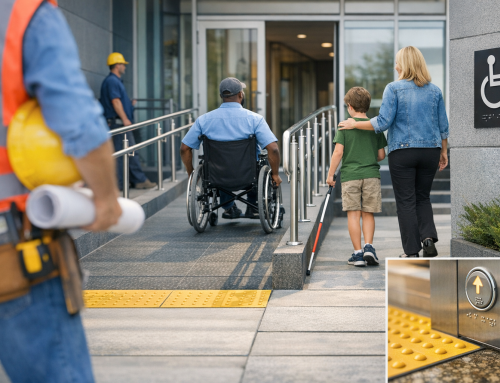
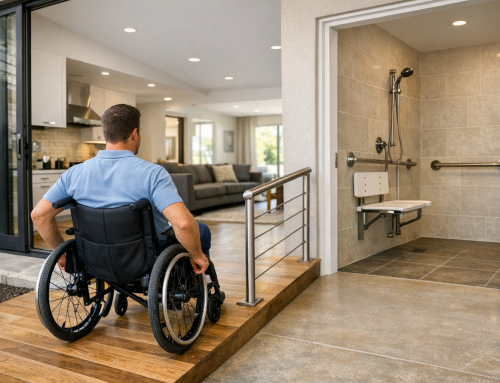
Getting in and out of the home should be simple and safe. Ramps, handrails, threshold reducers, improved lighting, and wider pathways can make entrances more accessible. For homes with steps, a ramp or vertical platform lift may be the best solution. Even small changes, such as replacing a heavy door handle with an easier-to-use lever, can improve everyday access.
Interior Mobility Enhancements
Inside the home, accessibility services often focus on helping residents move freely from room to room. This may include widening doorways, lowering countertops, adjusting shelf heights, or installing stair lifts. Non-slip flooring and improved hallway lighting also help reduce fall risk and make navigation easier, especially for people using walkers, wheelchairs, or canes.
Bathroom Safety and Accessibility
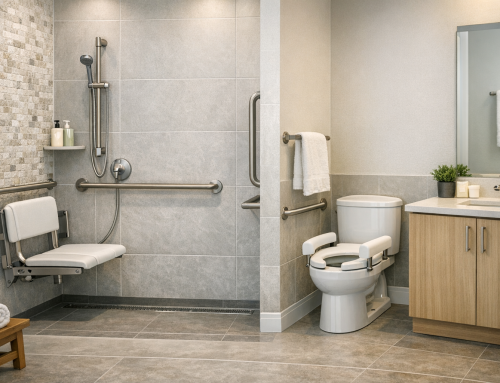
The bathroom is one of the most important areas to address because it is also one of the highest-risk spaces in the home. Walk-in tubs, roll-in showers, grab bars, handheld showerheads, and raised toilets can make bathing and daily hygiene much safer. Properly placed fixtures and slip-resistant surfaces help support both independence and peace of mind.
Kitchen Modifications
Accessible kitchens are designed so that cooking and meal prep are easier to manage. Common improvements include lower work surfaces, pull-out shelving, side-opening ovens, and accessible sink or appliance placement. These updates can help individuals with mobility limitations continue to enjoy cooking and participating in daily routines.
Benefits of Investing in Accessibility Improvements
Home accessibility improvement services offer benefits that go beyond convenience. They can improve safety, reduce the risk of injuries, and support long-term independence. For many families, these services also provide reassurance that a loved one can remain at home longer and with fewer daily challenges.
Another major benefit is flexibility. Accessibility upgrades can be tailored to meet current needs while also planning for future changes. This is especially important for households expecting short-term recovery needs or long-term aging-in-place goals. In addition, well-designed improvements can enhance the overall value and appeal of the home by making it more functional for a wider range of occupants.
How to Choose the Right Home Accessibility Improvement Service
Selecting the right provider is an important step in getting quality results. A good service provider should take the time to understand the resident’s needs, assess the layout of the home, and recommend solutions that fit both the budget and the space.
Look for companies with experience in accessibility-focused remodeling rather than general construction alone. They should be familiar with safety standards, product options, and design strategies that balance usability with aesthetics. It is also helpful to choose a provider that offers clear communication, detailed estimates, and a plan that explains the project from start to finish.
Ask questions about timelines, permits, warranties, and whether the company works with occupational therapists or accessibility specialists. Reading reviews and viewing past projects can also help you feel more confident in your decision. The right team will listen carefully and provide practical recommendations rather than one-size-fits-all solutions.
Planning Your Accessibility Project
Before starting any accessibility improvement project, it helps to identify the biggest challenges in the home. Consider where difficulty occurs most often: entering the house, using stairs, bathing, preparing food, or moving through tight spaces. A home assessment can help prioritize the most impactful upgrades first.
Budget is another important factor. Some accessibility changes are low-cost and can be completed quickly, while others require more planning and investment. If a full renovation is not possible right away, many homeowners begin with the highest-priority items and expand improvements over time.
It is also wise to think ahead. Choosing adaptable features now may reduce the need for future remodeling later. For example, reinforcing bathroom walls for future grab bars or planning a curbless shower during a renovation can save time and money down the road.
Conclusion
Home accessibility improvement services help turn a house into a safer, more welcoming place for everyone who lives there. From practical bathroom updates to broader mobility upgrades, these services can support independence, comfort, and long-term peace of mind. With the right planning and professional guidance, it is possible to create a home that works better today and adapts to future needs.