Aging in Place Design and Build Services: Creating a Home That Grows With You
What Are Aging in Place Design and Build Services?
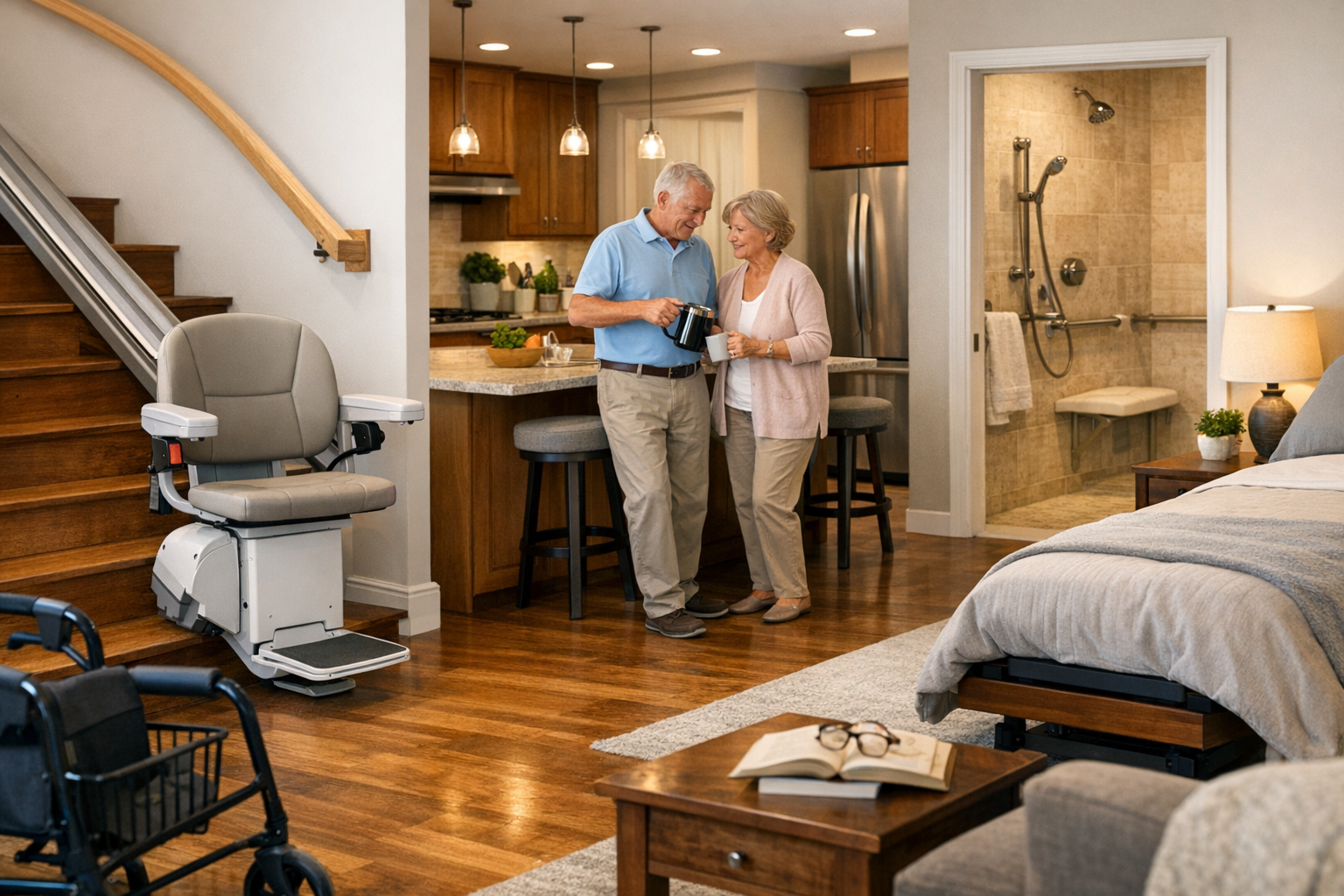
Aging in place design and build services help homeowners create safer, more comfortable, and more accessible living spaces so they can remain in their homes as their needs change over time. Instead of treating accessibility as an afterthought, this approach combines thoughtful design with skilled construction from the start.
These services typically bring together designers, contractors, and accessibility specialists who work as one team. The goal is to make practical home modifications that support mobility, reduce fall risks, and improve daily convenience without sacrificing style or comfort.
Why Aging in Place Matters
For many people, home is more than a place to live. It is where routines are familiar, memories are rooted, and independence feels most natural. Aging in place allows homeowners to stay in a community they love while avoiding the stress and expense of relocation.
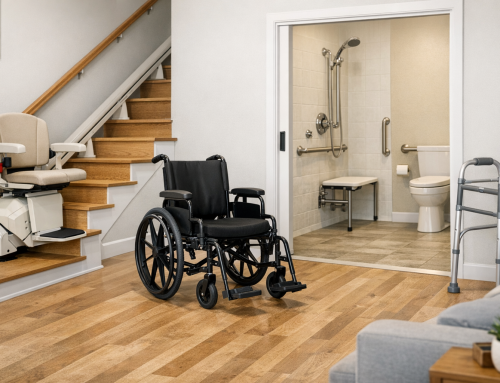
As physical needs evolve, common features like stairs, narrow doorways, high thresholds, and hard-to-reach storage can become barriers. Planning ahead helps homeowners preserve independence and reduces the likelihood of needing emergency renovations later.
Key Features of Aging in Place Design
Safer Bathrooms
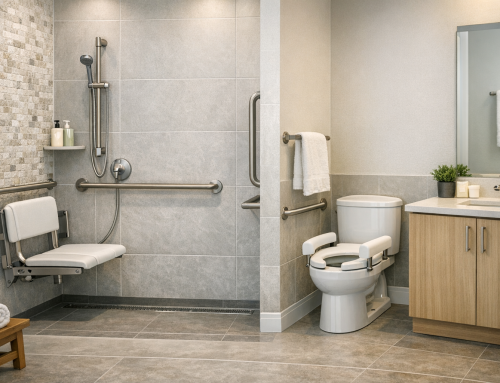
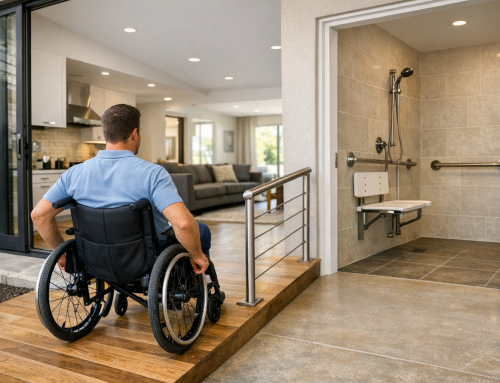
Bathrooms are one of the most important areas to address because slips and falls are more likely in wet environments. Common improvements include walk-in showers, grab bars, non-slip flooring, comfort-height toilets, handheld showerheads, and wider doorways for easier access.
Accessible Kitchens
An aging-friendly kitchen is designed for ease of movement and reduced strain. Features may include pull-out shelves, lever-style faucets, lower countertops, improved lighting, side-opening ovens, and appliances placed at more accessible heights.
Better Entryways and Mobility Support
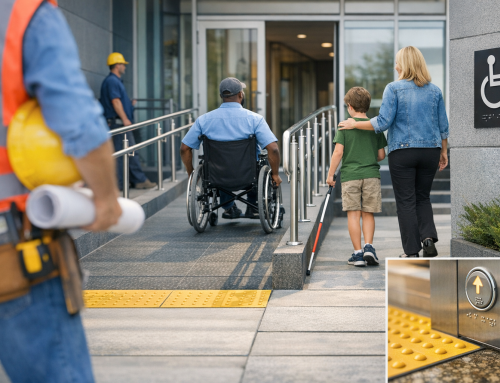
Home entrances should be easy to navigate with minimal tripping hazards. That may mean adding zero-step entries, smoother transitions between flooring surfaces, ramp access, better exterior lighting, and wider doors to accommodate mobility aids.
Lighting and Visibility Improvements
Good lighting plays a major role in safety and comfort. Aging in place projects often include brighter task lighting, motion-sensor fixtures, illuminated pathways, and reduced glare to help homeowners move confidently through the house at any time of day.
Smart Home Technology
Technology can make everyday life easier and safer. Voice-activated controls, smart thermostats, remote door locks, automated lighting, and emergency alert systems can all support independence while adding convenience and peace of mind.
The Design and Build Process
Aging in place design and build services usually begin with a home assessment. During this phase, the team evaluates current challenges, future goals, and any medical or mobility concerns that should influence the plan. This is often the best time to think beyond immediate needs and consider how the home can adapt over the next 10, 15, or even 20 years.
Next comes the design stage, where recommendations are turned into a practical plan. A strong design-build team balances accessibility, aesthetics, and budget so the final result feels intentional rather than institutional. Homeowners can often choose finishes and layouts that blend seamlessly with the rest of the house.
Once the plan is approved, construction begins. Because the same team handles both design and build, communication is often smoother, timelines are more efficient, and costly changes are less likely. This integrated approach also helps ensure the final outcome matches the original vision.
Benefits of Working With a Design-Build Team
One of the biggest advantages of aging in place design and build services is coordination. Instead of managing separate designers, architects, and contractors, homeowners work with a single point of contact. That can simplify decisions and reduce confusion throughout the project.
Another benefit is customization. Every household has different priorities, whether that means accommodating limited mobility, planning for future aging needs, or making space for a caregiver. A design-build team can tailor solutions to the home and the people who live there.
Quality is also a major factor. When design and construction are handled together, the finished space is more likely to function well day to day and stand the test of time. This approach helps homeowners invest in improvements that are both beautiful and practical.
Planning Ahead for Long-Term Comfort
The best aging in place projects are proactive rather than reactive. Instead of waiting for an injury, illness, or mobility challenge to force urgent changes, homeowners can make gradual updates while they still have time to plan carefully.
It also helps to focus on universal design principles. These are features that make a home easier for everyone to use, not just older adults. Examples include wider hallways, curbless showers, lever handles, and non-slip flooring. Because these upgrades are stylish and functional, they can add value for the entire household.
Homeowners should also consider how needs may change over time. A solution that works today should ideally remain useful in the future. That might mean reinforcing bathroom walls for future grab bars, planning for a stair lift, or designing flexible spaces that can adapt as circumstances evolve.
Choosing the Right Aging in Place Partner
Not every contractor specializes in this type of work, so it is important to choose a team with relevant experience. Look for professionals who understand accessibility standards, have a portfolio of similar projects, and take time to ask about long-term goals rather than just immediate fixes.
Clear communication matters too. The right partner will explain options in plain language, provide realistic timelines, and help you understand how each choice affects cost, function, and appearance. A collaborative approach makes it easier to create a home that truly fits your lifestyle.
Conclusion
Aging in place design and build services give homeowners a smart way to stay safe, comfortable, and independent in the home they love. With the right planning and the right team, it is possible to create a space that supports today’s needs while preparing for tomorrow’s changes.