
Garage and Utility Closet Systems: A Practical Guide to Organized Storage
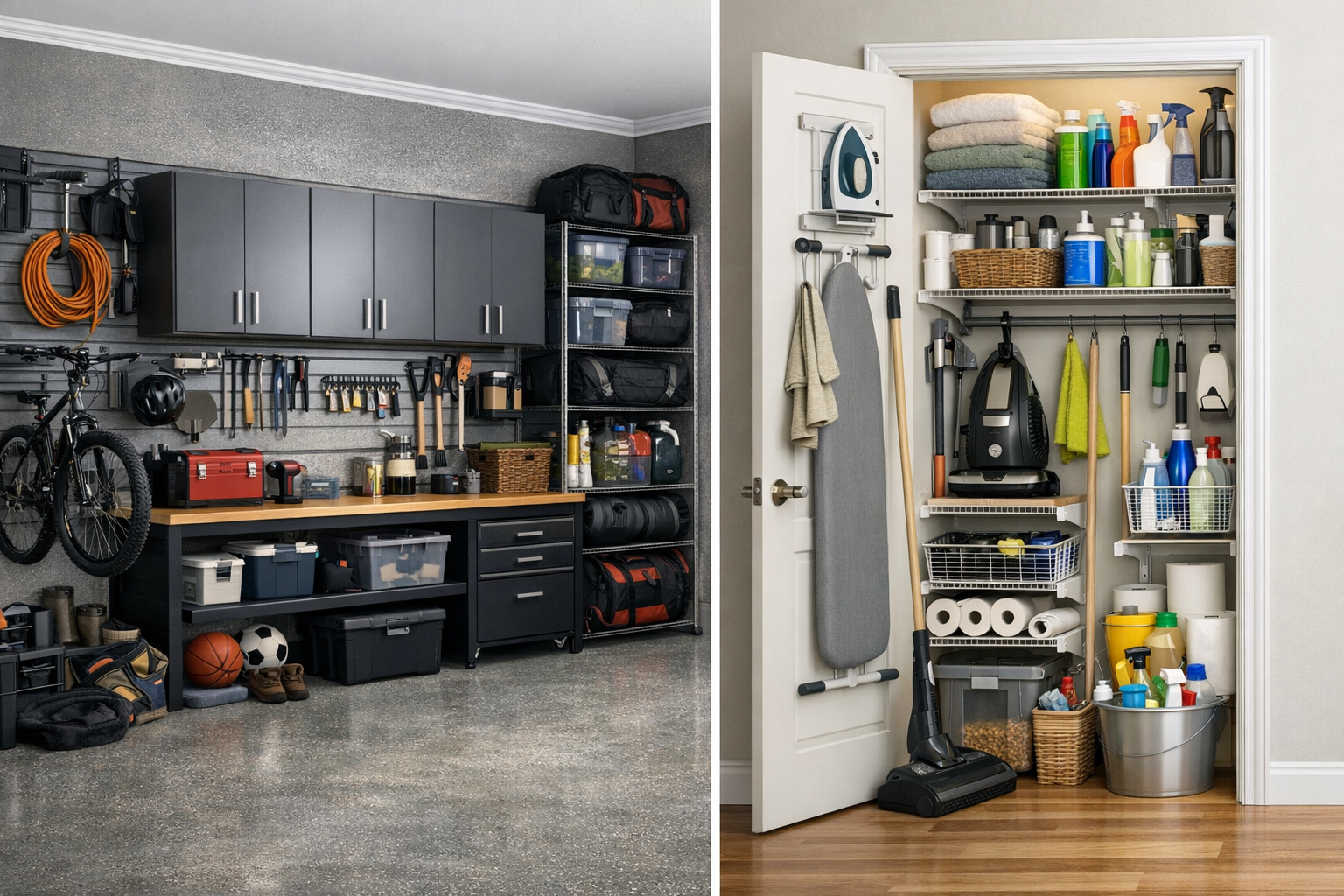
Garages and utility closets often have to hold an impressive mix of tools, sports equipment, cleaning supplies, seasonal decorations, and household essentials. Without a plan, useful storage space can quickly turn into a jumble of boxes and hard-to-reach items. A well-designed system makes it easier to find what you need, protect belongings, and keep floors and work areas clear.
The best setup is not necessarily the most elaborate. It is one that suits your space, the things you store, and the way your household uses them. Here’s how to plan garage and utility closet systems that are practical, safe, and easy to maintain.
Start With a Clear-Out and a Plan
Before buying shelves or cabinets, take everything out of the area if possible. Sort items into groups: keep, donate, recycle, dispose of, and relocate. This helps reveal how much storage you actually need and prevents you from organizing things you no longer use.
Next, measure the space, including ceiling height, wall lengths, door swing, and any obstructions such as pipes, outlets, or electrical panels. Note where you need room to park, walk, do laundry, or reach equipment. A quick sketch can help you map out storage before you spend money.
Sort Items by How Often You Use Them
Keep everyday items within easy reach. Place seasonal or occasional-use belongings higher up or farther back, while reserving the most accessible shelves for things used weekly. In a utility closet, for example, frequently used cleaning products should be easy to grab, while spare light bulbs or holiday supplies can go on an upper shelf.
Choose the Right Storage for Each Space
Garage systems need to handle bulky, heavy, and sometimes dirty items. Utility closets usually have less floor space and are better suited to compact, upright storage. Rather than relying on one type of organizer, combine solutions based on what each area needs to hold.
Garage Shelving and Cabinets
Freestanding or wall-mounted shelves provide flexible storage for bins, automotive supplies, and larger household items. Check each unit’s weight rating and secure tall shelving to the wall where appropriate. Enclosed cabinets help keep dust off supplies and create a tidier appearance. Lockable cabinets can be a useful choice for tools or chemicals that need to stay away from children.
Choose materials that fit the environment. Metal shelving is sturdy and often works well for heavy loads. Plastic shelves resist moisture and are easy to clean, though their capacity varies. Wood can look attractive, but it may need protection from dampness and temperature changes.
Wall and Ceiling Storage
Wall-mounted rails, hooks, and pegboards can keep frequently used tools visible and off the floor. They are especially useful for long-handled garden tools, ladders, and sports gear. For ceiling racks, store only items that are light enough to lift safely and that you do not need often. Follow the manufacturer’s instructions and attach racks to suitable structural supports—not just drywall.
Utility Closet Organizers
Make use of the full height of a utility closet with adjustable shelves, stackable bins, or a narrow rolling cart. Over-the-door organizers can hold small, lightweight items, provided the door can close without catching. A tension rod can create a simple place to hang spray bottles, while labeled containers keep sponges, cloths, and refills together.
Create Zones That Make Sense
Grouping items by purpose makes storage easier to understand and maintain. In a garage, you might create separate zones for tools, gardening, sports, automotive supplies, and seasonal décor. In a utility closet, group cleaning products, laundry supplies, household paper goods, and repair essentials.
Keep related items together and store them near where they are used. Place gardening tools near the garage door leading outside, for example, and keep laundry products close to the washer and dryer. Clear bins make contents visible; opaque bins can create a calmer look but should be labeled clearly on the front and side.
Put Safety and Access First
Good organization should make a space safer, not simply neater. Keep walkways, doors, vents, and electrical panels unobstructed. Store heavy items on lower shelves to reduce the chance of injury, and avoid stacking unstable boxes overhead. Use secure hooks for items that could fall, and keep sharp tools protected or out of children’s reach.
Follow product labels and local guidance for storing paints, fuels, pesticides, and cleaning chemicals. Keep hazardous products in their original, clearly marked containers, away from heat and ignition sources where required. Do not store chemicals where they can be reached by children or pets. If you have questions about a particular product, check its label or contact the manufacturer.
Make the System Easy to Maintain
An organization system works best when putting things away is as simple as taking them out. Leave some room on shelves instead of filling every inch, and choose bins that are easy to carry. Use large, readable labels and avoid creating too many categories. A small amount of empty space also makes it easier to accommodate new items without disrupting the whole setup.
Set aside a few minutes every month to return misplaced items, check labels, and remove empty packaging. At the start of each season, review gear and supplies that may no longer be useful. If an area repeatedly becomes cluttered, adjust the storage location or category rather than simply adding more containers.
Conclusion
Garage and utility closet systems can transform crowded storage areas into useful, dependable parts of the home. Start by sorting and measuring, choose storage suited to your belongings, and organize items into convenient zones. With safety in mind and a simple maintenance routine, your system can stay functional long after installation.