Fall Prevention Home Modifications: A Room-by-Room Guide
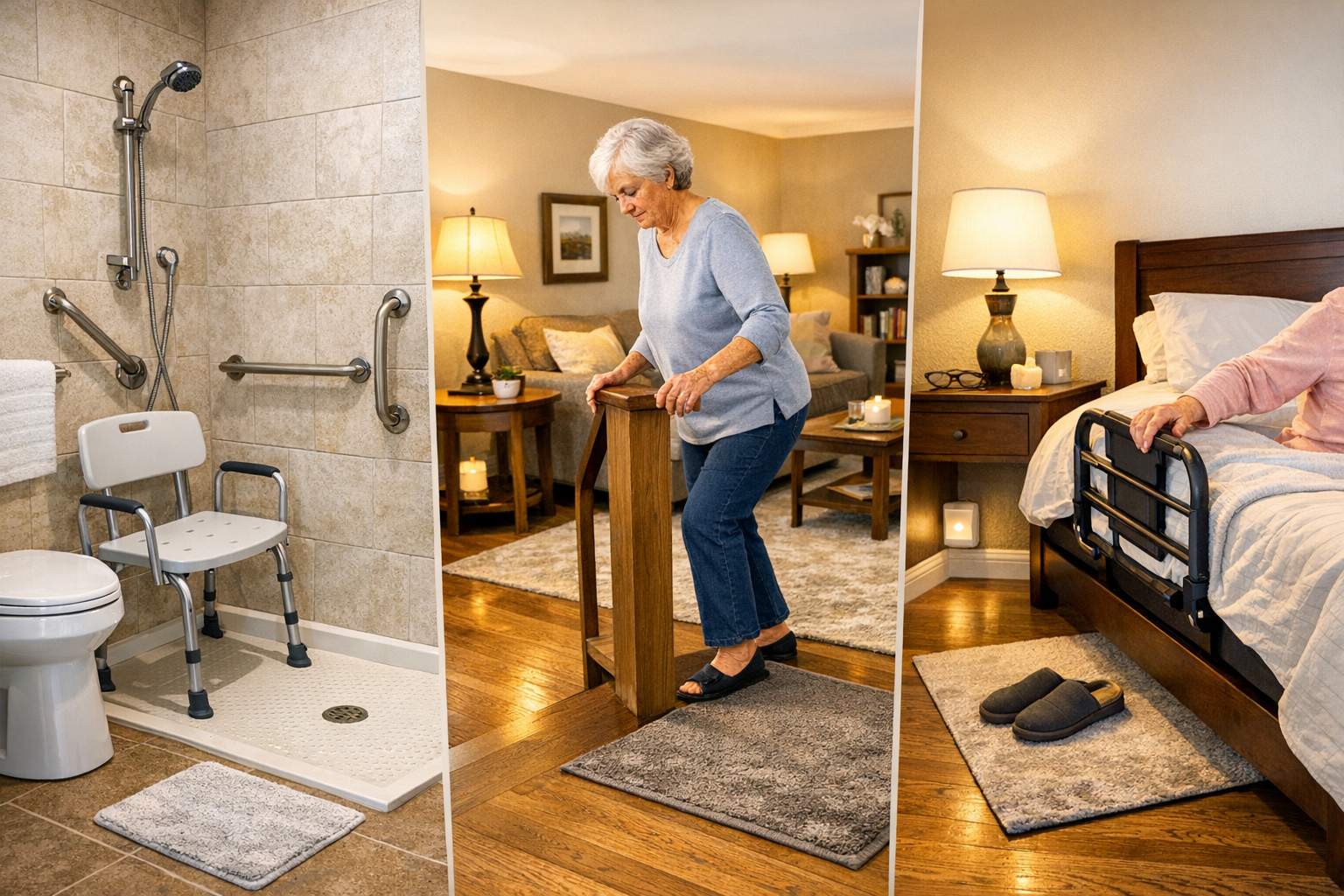
A safer home can make everyday tasks easier and help reduce the risk of falls. Many useful changes are simple, such as improving lighting or clearing a walkway. Others, including installing grab bars or changing stairs, may require professional help. The best approach is to look at how each person moves through the home and address the hazards that matter most.
Start With a Home Safety Check
Walk through the home and notice places where someone might trip, slip, lose balance, or struggle to reach a handhold. Check common routes between the bedroom, bathroom, kitchen, and living area, as well as entrances and outdoor paths. Look for loose rugs, clutter, dim corners, slippery surfaces, and cords crossing walkways.
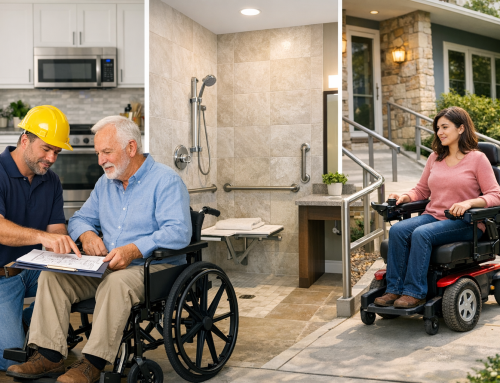
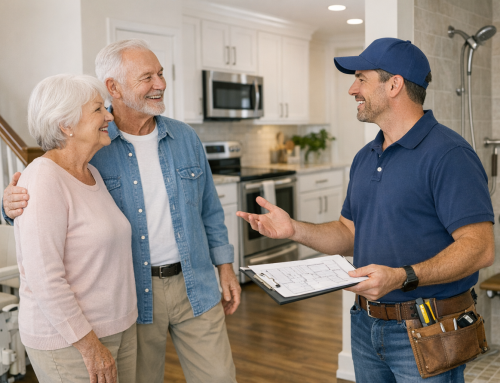
Consider the needs of the person who lives there. A modification should fit their height, mobility, vision, and routines. An occupational therapist or other qualified professional can assess the home and suggest changes, especially after a fall or when balance or mobility has changed. A landlord may also need to approve permanent alterations in a rental home.
Improve Lighting and Visibility
Good lighting helps people see steps, obstacles, and changes in floor level. Make sure hallways, stairways, entrances, and bathrooms are well lit, including at night. Add switches at both ends of hallways or stairs where possible, so no one has to cross a dark area to reach a control.
Make nighttime routes easier to see
Place night-lights along the route from the bed to the bathroom. Motion-sensor lights can be helpful in hallways and near entrances. Choose bulbs that provide clear, even light, and replace burned-out bulbs promptly. Reduce glare by positioning lamps carefully and using shades or diffusers when needed.
Clear Floors and Secure Walking Surfaces
Keep pathways wide and free of objects such as shoes, baskets, pet toys, and small furniture. Route electrical and phone cords along walls rather than across floors. If a layout is crowded, rearrange furniture to create a direct, easy-to-follow path between frequently used rooms.
Remove common trip hazards
Loose throw rugs can bunch or slide underfoot. Removing them is often the simplest option. If a rug needs to stay, secure it with a suitable nonslip backing and check regularly that its edges lie flat. Repair lifted carpet, uneven floorboards, or damaged thresholds. Use contrasting tape or color at a necessary change in floor height to make it easier to notice.
Clean spills promptly and choose nonslip flooring where practical. Avoid polishing floors to a slippery finish. Keep frequently used items at an easy-to-reach height so people do not need to climb, stretch, or bend awkwardly.
Make Bathrooms Safer
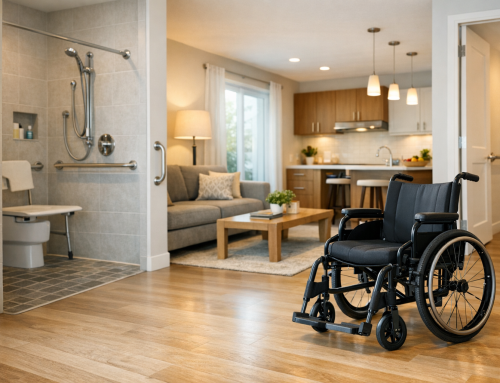
Bathrooms combine hard surfaces, water, and frequent transfers between standing and sitting, so they deserve particular attention. Install grab bars near the toilet and in the shower or bathtub. Bars should be securely anchored to appropriate wall supports; towel bars are not designed to hold body weight.
Reduce slipping during bathing
Use a nonslip bath or shower surface and place a firmly secured nonslip mat outside the bathing area. A shower chair or bath seat may help someone who has difficulty standing for a long time. A handheld showerhead can make bathing easier while seated. If stepping over a tub wall is difficult, consider a professionally installed solution such as a walk-in shower.
A raised toilet seat or toilet safety frame may make sitting and standing more manageable. Choose equipment that fits the bathroom and the user, and have it installed according to the manufacturer’s instructions. Keep towels, toiletries, and other essentials within easy reach so they do not have to be fetched mid-bath.
Address Stairs, Steps, and Entrances
Stairs should have sturdy handrails that are easy to grip. Ideally, provide a handrail on both sides and extend rails beyond the first and last steps where feasible. Secure loose carpeting, repair damaged steps, and keep stairways free of stored items. Good lighting should cover the entire staircase, with switches at both ends.
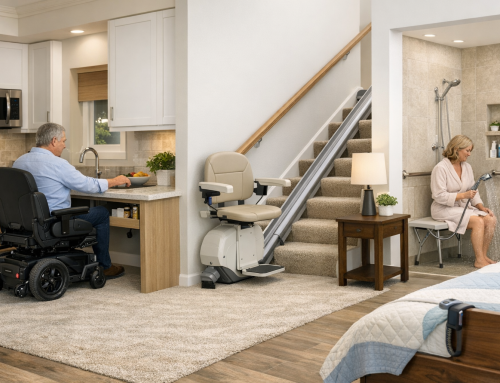
Mark the edges of steps with a contrasting, nonslip strip if they are difficult to see. At entrances, secure loose mats and repair uneven paving. A stable rail or grab bar near a step can provide support. If stairs have become difficult to manage, discuss options such as a stair lift or relocating essential activities to one level with a qualified professional.
Choose and Place Furniture Carefully
Arrange furniture to allow clear routes and provide stable places to sit. Chairs should be sturdy and at a height that makes getting up and sitting down manageable. Armrests can offer useful support. Avoid relying on lightweight tables, wheeled chairs, or other unstable objects as handholds.
Keep a phone, personal alarm, or other way to call for help within reach of the bed and favorite seating area. Store everyday items—such as dishes, clothing, and commonly used kitchen supplies—between waist and shoulder height when possible. This reduces the need to reach high shelves or bend low.
Make Changes in a Practical Order
Start with low-cost changes that address clear hazards: improve lighting, clear clutter, secure cords, and remove or fasten loose rugs. Then prioritize modifications based on a person’s daily routine and the places where they feel unsteady. Grab bars, handrails, threshold repairs, and bathroom equipment may take more planning or professional installation, but can make important activities easier.
Review the home after any change in health, mobility, or living arrangements. A safer setup is not one-size-fits-all, and a modification that works for one person may not suit another. Combine home improvements with appropriate footwear, regular vision checks, and advice from a healthcare professional about balance or medication concerns.
Conclusion
Fall prevention begins with practical changes that make it easier to see, move, and find secure support at home. A careful room-by-room review can reveal hazards, while professional guidance can help tailor larger modifications. Address the most important risks first, then revisit the home as needs change.