Custom Accessible Home Solutions: Designing a Safer, More Comfortable Space
Introduction
A home should support the people who live in it, not create daily barriers. For older adults, people with disabilities, and anyone recovering from injury, custom accessible home solutions can make everyday life easier, safer, and more independent. From subtle layout changes to specialized features, accessibility-focused design helps turn a house into a home that truly works for its residents.
The best part is that accessibility does not have to mean sacrificing style. With thoughtful planning, custom solutions can blend seamlessly into a home’s design while improving comfort, mobility, and confidence. Whether you are updating one room or planning a full renovation, understanding the possibilities is the first step toward creating a space that supports long-term living.
What Are Custom Accessible Home Solutions?
Custom accessible home solutions are modifications designed to remove physical barriers and improve usability throughout the home. Unlike one-size-fits-all products, these solutions are tailored to the specific needs, routines, and goals of the person using the space.
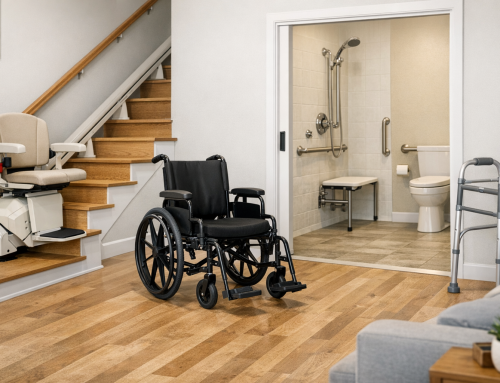
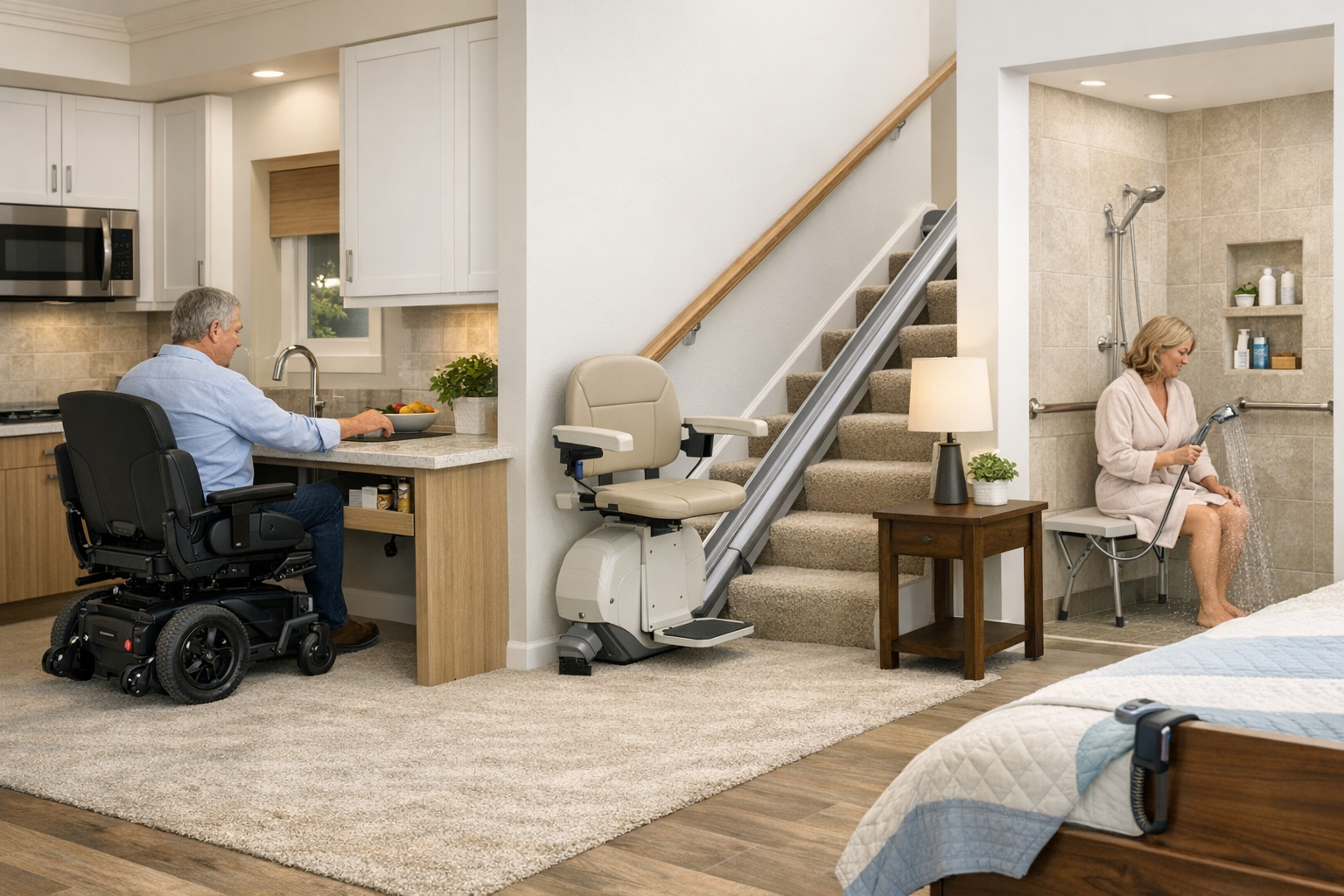
Accessibility upgrades can range from simple changes, such as lever-style door handles or improved lighting, to more extensive features like widened doorways, roll-in showers, stair lifts, and lowered countertops. The right combination depends on mobility level, household needs, and the structure of the home itself.
Because every home and every person is different, customization is key. A solution that works well for one family may not be ideal for another. That is why accessible design should begin with an assessment of daily challenges, movement patterns, and future needs.
Key Areas to Consider When Designing an Accessible Home
Entryways and Exterior Access
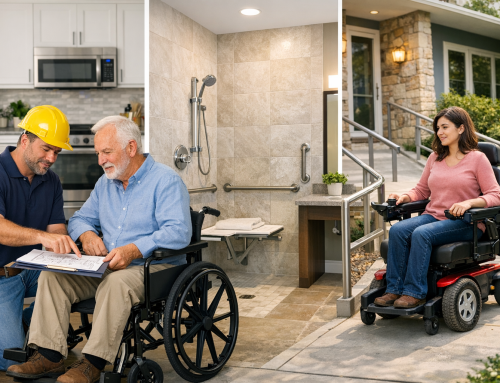
The journey into the home should be safe and manageable. Entry ramps, zero-threshold entrances, wider walkways, and non-slip surfaces can make a huge difference. Well-placed lighting and covered entry areas also help reduce hazards in poor weather or low visibility.
If steps are unavoidable, a stair lift or platform lift may provide a practical solution. For some homes, adding a gently sloped walkway may be the best long-term choice.
Doorways, Hallways, and Interior Movement
Inside the home, circulation space matters. Narrow doorways and tight hallways can limit independence and increase the risk of injury. Widening doorframes, removing unnecessary thresholds, and creating clear pathways can make movement much easier for wheelchair users, walkers, and caregivers.
Flooring also plays an important role. Smooth, low-pile, slip-resistant surfaces tend to work best because they are easier to navigate and maintain.
Kitchen Accessibility
The kitchen is one of the most important rooms to customize. Adjustable or lowered countertops, pull-out shelving, side-opening ovens, and touchless faucets can improve usability for people with limited reach or mobility. Open floor plans and generous turning space are also valuable for wheelchair access.
Small details matter too. Clear labeling, task lighting, and easy-grip cabinet hardware can help make daily cooking safer and more efficient.
Bathroom Safety and Comfort
Bathrooms often require the most thoughtful accessibility planning. Slippery floors, tight spaces, and hard-to-reach fixtures can create major challenges. Common custom solutions include walk-in tubs, roll-in showers, grab bars, handheld showerheads, raised toilets, and floating vanities.
Proper layout is essential. A bathroom should allow enough room for transfers, turning, and caregiver assistance when needed. Waterproof materials and non-slip flooring help support safety and durability over time.
Bedrooms and Living Spaces
Bedrooms and living areas should promote rest, comfort, and easy movement. Adjustable bed heights, accessible closet systems, smart lighting, and reachable storage can make everyday routines more manageable. In shared spaces, furniture placement should leave clear paths for mobility devices.
For some households, technology can also support accessibility. Voice-controlled lighting, automated blinds, and smart thermostats can reduce the need for repeated reaching or bending.
Benefits of Custom Accessible Home Solutions
One of the biggest advantages of custom accessibility upgrades is independence. When a home is designed around a person’s needs, they can complete more tasks with less strain and fewer safety concerns. This often leads to greater confidence and a higher quality of life.
Accessibility improvements can also reduce caregiver burden. Features like wider layouts, safer bathrooms, and easier-to-reach storage can make daily assistance more efficient and less physically demanding.
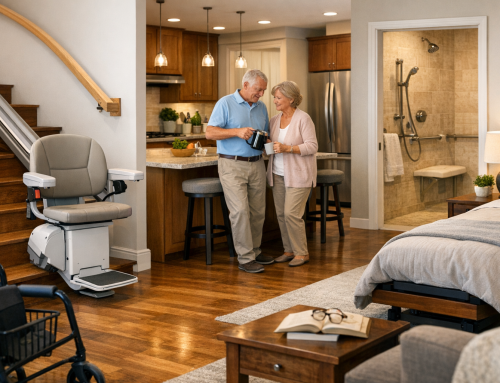
Another benefit is long-term flexibility. As needs change over time, a well-designed accessible home can adapt more easily. This is especially valuable for aging in place, recovery after surgery, or supporting a household member with a progressive condition.
Finally, custom solutions can increase a home’s overall appeal. Many accessibility features, such as improved lighting, step-free entries, and open layouts, are attractive to a wide range of homeowners and can add practical value to the property.
How to Plan the Right Accessibility Upgrade
Start by identifying the most difficult parts of the home. Think about where mobility challenges happen most often and which tasks feel unsafe, exhausting, or frustrating. A room-by-room review can help prioritize the most impactful changes.
It is also wise to think beyond current needs. A modification that works today should ideally continue to work in the future. Planning for long-term accessibility can help avoid repeated renovations and save money over time.
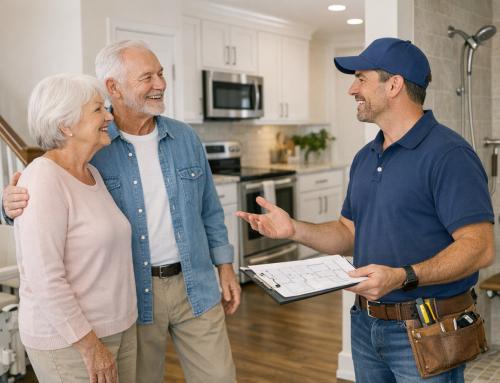
Working with experienced professionals can make the process smoother. Contractors, occupational therapists, and accessibility specialists can help assess the home, recommend practical solutions, and ensure that modifications meet safety and building standards.
Budget is another important factor. Some improvements can be completed in stages, allowing homeowners to focus first on the areas with the greatest impact. A phased approach can make custom accessibility more manageable without compromising quality.
Conclusion
Custom accessible home solutions make it possible to create a space that is safer, more comfortable, and better suited to everyday life. With the right planning and thoughtful design, accessibility upgrades can support independence while blending naturally into the home. Whether the goal is to improve mobility now or prepare for the future, custom solutions offer a practical path toward a more inclusive living environment.