What an ADA Compliant Remodeling Contractor Can Do for Your Property
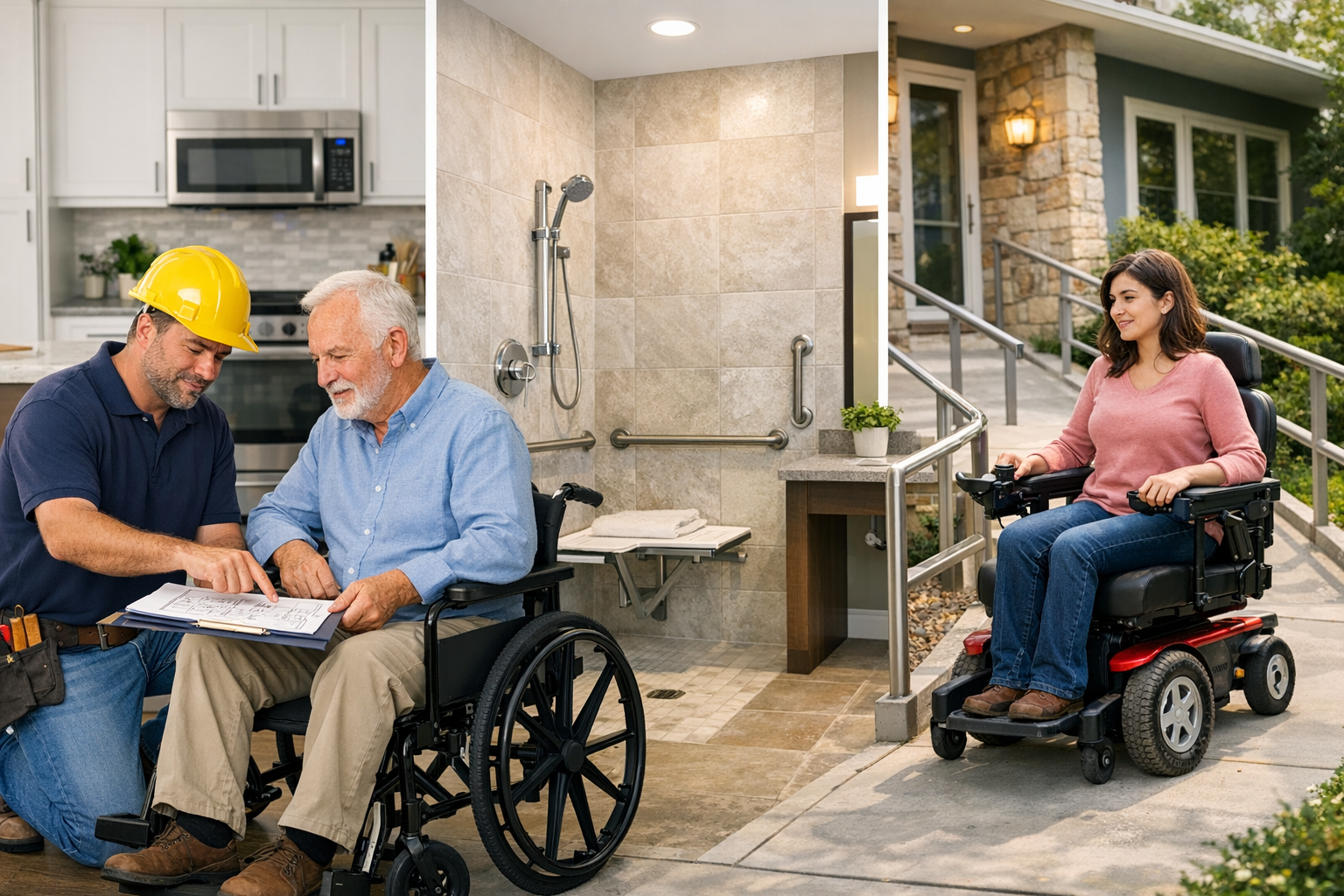
Hiring an ADA compliant remodeling contractor can make a major difference in how safe, functional, and welcoming your property is for everyone who uses it. Whether you are updating a home for a family member with mobility needs or improving a commercial space for public access, ADA-focused remodeling is about more than meeting code. It is about creating spaces that are easier to navigate, more comfortable to use, and designed with long-term accessibility in mind.
What Is ADA Compliant Remodeling?
ADA compliant remodeling refers to construction and renovation work that follows the principles of the Americans with Disabilities Act. The goal is to remove barriers and improve access for people with disabilities. While the ADA primarily applies to public accommodations, many homeowners and property managers choose to apply these standards to private spaces as well.
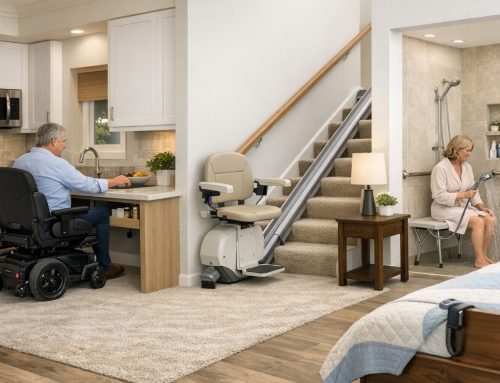
Common ADA remodeling projects may include widening doorways, improving bathroom access, adding ramps, lowering counters, installing grab bars, and upgrading fixtures for easier use. A contractor experienced in ADA work understands how to balance compliance, usability, and design so the finished space feels both practical and attractive.
Why Hiring an ADA Compliant Remodeling Contractor Matters
Accessibility remodeling is not the same as a standard renovation. The measurements, layouts, and product selections often need to meet specific standards to truly work for people with limited mobility, vision impairments, or other disabilities. A qualified contractor brings knowledge that helps you avoid costly mistakes and ensures the project is done correctly the first time.
Here are a few reasons to hire a contractor with ADA experience:
- Code awareness: They understand accessibility guidelines and how they apply to your project.
- Practical design: They can recommend solutions that improve function without sacrificing style.
- Safety: Properly installed features reduce the risk of falls, slips, and other injuries.
- Long-term value: Accessible spaces can serve more people and may increase property appeal.
Choosing the right contractor also helps you plan for future needs. Accessibility is often easiest and most affordable to address during a remodel, rather than waiting until a problem becomes urgent.
Common Projects an ADA Contractor Handles
An ADA compliant remodeling contractor may work on both residential and commercial properties. The specific scope depends on your space, your goals, and the current condition of the building. Some of the most common projects include:
Accessible Bathrooms
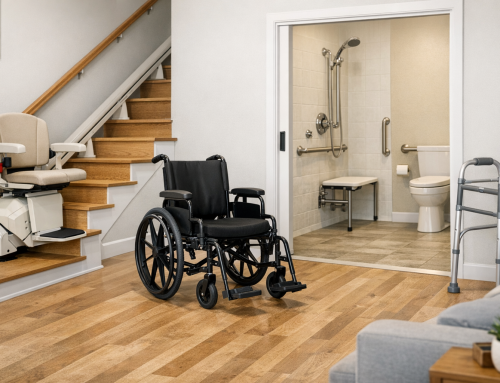
Bathrooms are one of the most important areas to address in accessibility remodeling. Contractors may install walk-in or roll-in showers, grab bars, comfort-height toilets, wider door openings, slip-resistant flooring, and accessible sinks with adequate knee clearance.
Kitchen Modifications
Kitchen remodeling for accessibility often focuses on reachable storage, lower countertops, accessible appliances, and clear floor space for wheelchair movement. A contractor can help create a layout that supports both independence and efficiency.
Entryways and Ramps
Safe entry is essential. Contractors may build ramps, modify thresholds, install automatic or easier-to-open doors, and improve handrails or landings. These changes make it easier for people using wheelchairs, walkers, or strollers to enter the property.
Interior Mobility Improvements
Accessibility can also mean widening hallways, improving turning space, adjusting light switches and outlets, and removing tripping hazards. These smaller changes often have a big impact on daily use.
Key Features of ADA-Friendly Design
Good ADA remodeling is both technical and thoughtful. A contractor should understand the details that make a space truly usable. Important features often include:
- Clear pathways and maneuvering space
- Appropriate doorway and hall widths
- Lever-style door handles and faucets
- Proper sink, counter, and fixture heights
- Non-slip flooring materials
- Good lighting and visible contrast
- Accessible controls and storage
These features should be integrated carefully so they feel like part of the design rather than an afterthought. The best contractors know how to make accessible upgrades look seamless.
How to Choose the Right ADA Compliant Remodeling Contractor
Not every remodeling contractor has the same level of experience with accessibility projects. When comparing professionals, look for someone who understands both construction quality and ADA requirements. Ask about past projects, training, and how they approach compliance and design.
Helpful questions to ask include:
- Have you completed ADA or accessibility-focused projects before?
- How do you ensure measurements and layouts meet applicable standards?
- Can you recommend products that improve accessibility and durability?
- Do you work with homeowners, businesses, or both?
- Will you help with permits and inspections if needed?
It is also smart to check references, review photos of previous work, and confirm that the contractor is licensed and insured. A reliable professional will communicate clearly, provide a detailed estimate, and explain any potential challenges before work begins.
Benefits of an ADA Remodeling Project
ADA-focused remodeling offers benefits that go beyond compliance. For homeowners, it can make daily routines easier and allow family members to remain independent longer. For business owners, it can improve customer experience, employee safety, and overall usability.
Other benefits may include:
- Better accessibility for guests and visitors
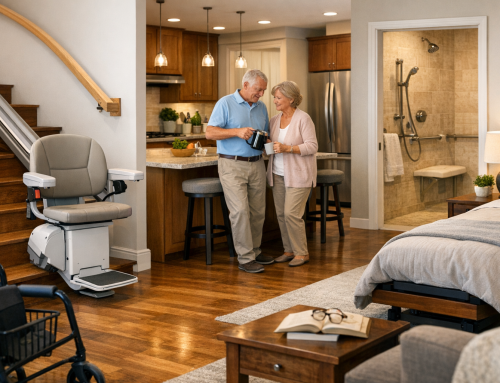
- Improved comfort for aging in place
- Reduced risk of accidents and liability issues
- Greater flexibility for changing needs over time
In many cases, accessible design also adds convenience for everyone, not just those with disabilities. A well-planned space tends to be easier to clean, move through, and use on a daily basis.
Conclusion
An ADA compliant remodeling contractor helps create spaces that are safer, more usable, and more inclusive. From bathrooms and kitchens to entrances and interior layouts, the right contractor can turn accessibility goals into a functional, attractive reality. If you want a remodel that supports long-term comfort and compliance, start with a professional who understands ADA design from the ground up.