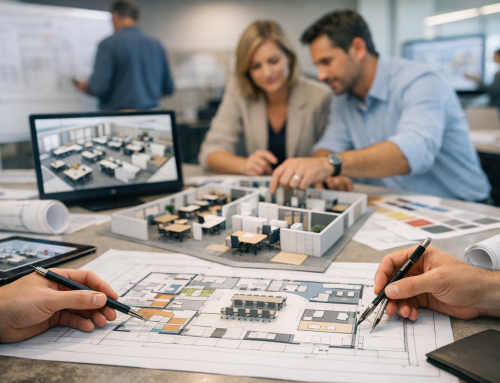
Choosing a Design-Build Firm for Your Renovation
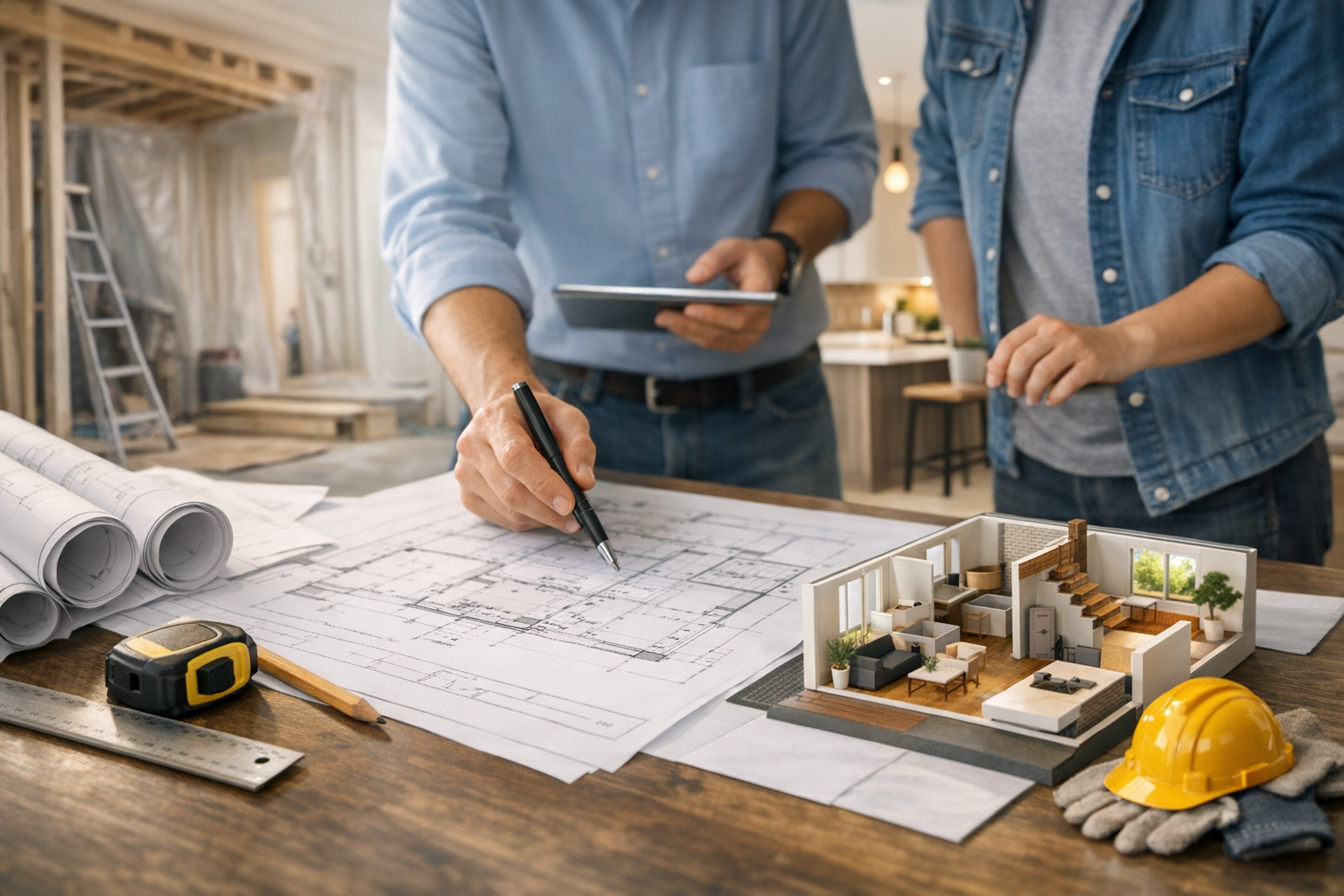
A renovation can transform the way you live in your home, but getting from the first idea to the finished space involves many decisions. A design-build firm brings design and construction services together under one team, giving homeowners a coordinated way to plan and complete a project. Understanding how this approach works can help you decide whether it’s the right fit for your renovation.
What Is a Design-Build Firm?
In a traditional renovation, homeowners often hire an architect or designer first, then seek bids from separate contractors. With design-build, one firm is responsible for both the design and construction phases. The team may include designers, project managers, and construction professionals who collaborate from the beginning.
That shared responsibility can make communication more direct. Instead of passing plans between separate companies, the design and construction teams can discuss choices together, including how a proposed feature may affect the budget, schedule, or building process.
Benefits of Design-Build for Renovations
A more coordinated process
Having one primary team can reduce the number of handoffs between professionals. Your design-build firm can guide you through planning, selections, permitting, and construction, while keeping you informed about decisions that need your attention.
Budget awareness during design
Design choices affect construction costs. In a design-build process, the construction team can weigh in as plans develop, helping you compare options before designs are finalized. For example, changing a layout, material, or finish early may be simpler than revising it once construction is underway. Your firm should explain estimates clearly and identify which items are allowances or subject to change.
One point of accountability
When design and construction are handled by separate companies, questions about drawings, pricing, or responsibility can sometimes lead to delays. A design-build firm provides a central point of contact and is responsible for coordinating its team. This doesn’t eliminate every challenge, but it can make it easier to understand who is managing each part of the work.
Earlier input on feasibility
Renovations can uncover practical limitations, from structural requirements to existing systems that need attention. Bringing construction expertise into the planning phase can help identify questions earlier and shape a design around the home’s conditions.
How the Design-Build Renovation Process Works
Every firm has its own workflow, but most projects move through a series of common stages.
1. Discovery and project goals
You’ll discuss what you want to change, how you use the space, your priorities, and your approximate budget. Be open about what matters most. A growing family may prioritize storage and flexible rooms, while another homeowner may focus on accessibility or a better connection between the kitchen and living area.
2. Design and planning
The team develops concepts and refines them into plans. You’ll make decisions about layout, materials, fixtures, and finishes. Ask how many design revisions are included, what documents you’ll receive, and when the firm can provide a more detailed project estimate.
3. Pricing, approvals, and preparation
Once the scope is defined, the firm can prepare a proposal and help coordinate required permits and other approvals. Review the contract carefully. It should describe the work, payment schedule, process for changes, estimated timeline, and how unexpected conditions will be handled.
4. Construction and closeout
During construction, the project manager should keep you updated on progress, upcoming decisions, and any issues that affect cost or schedule. At the end, the team should walk through the completed work with you, address agreed-upon items, and explain warranties and care requirements.
How to Choose the Right Firm
Not every design-build firm is equally suited to every project. Look for a team with experience in renovations like yours, whether that means a kitchen update, a whole-home remodel, or an addition. Ask to see relevant project photos and, where possible, speak with recent clients about communication, problem-solving, and follow-through.
During an initial conversation, pay attention to how the team listens. A good firm should ask thoughtful questions about your needs rather than immediately pushing a predetermined design. You should also feel comfortable discussing budget and trade-offs.
Before signing, confirm who will be your day-to-day contact, how often you’ll receive updates, and how decisions will be documented. Compare proposals based on scope and assumptions—not just the bottom-line price. A lower estimate may exclude work that another proposal includes, so request clarification in writing.
Questions to Ask Before Hiring
- What renovation projects similar to mine have you completed?
- Who will handle design, construction, and day-to-day communication?
- How do you develop and update the project budget?
- What is included in the design fee and construction proposal?
- How are change requests and unexpected conditions priced and approved?
- What timeline do you anticipate, and what factors could affect it?
- Can you provide references and proof of licensing and insurance?
Is Design-Build Right for Your Project?
Design-build may be a strong option if you value having one coordinated team, want construction input during design, or prefer a guided process. It can be especially helpful when a renovation involves several rooms or decisions that need to be coordinated. However, the arrangement is not automatically the best choice for everyone. Some homeowners prefer to hire an independent architect or designer and bid completed plans to multiple contractors. Consider your preferred level of involvement, the project’s complexity, and the working relationship you want.
Conclusion
A design-build firm for renovations can simplify coordination by bringing design and construction together, while giving you a single team to guide the project. Take time to compare experience, communication practices, proposals, and contract details. A clear plan and a trustworthy working relationship are essential foundations for a successful renovation.