The Collaborative Design-Build Approach: A Smarter Way to Deliver Projects
What Is a Collaborative Design-Build Approach?
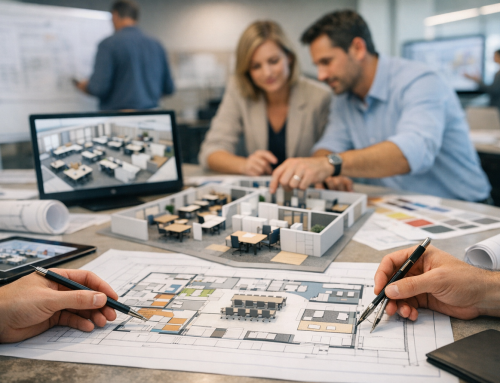
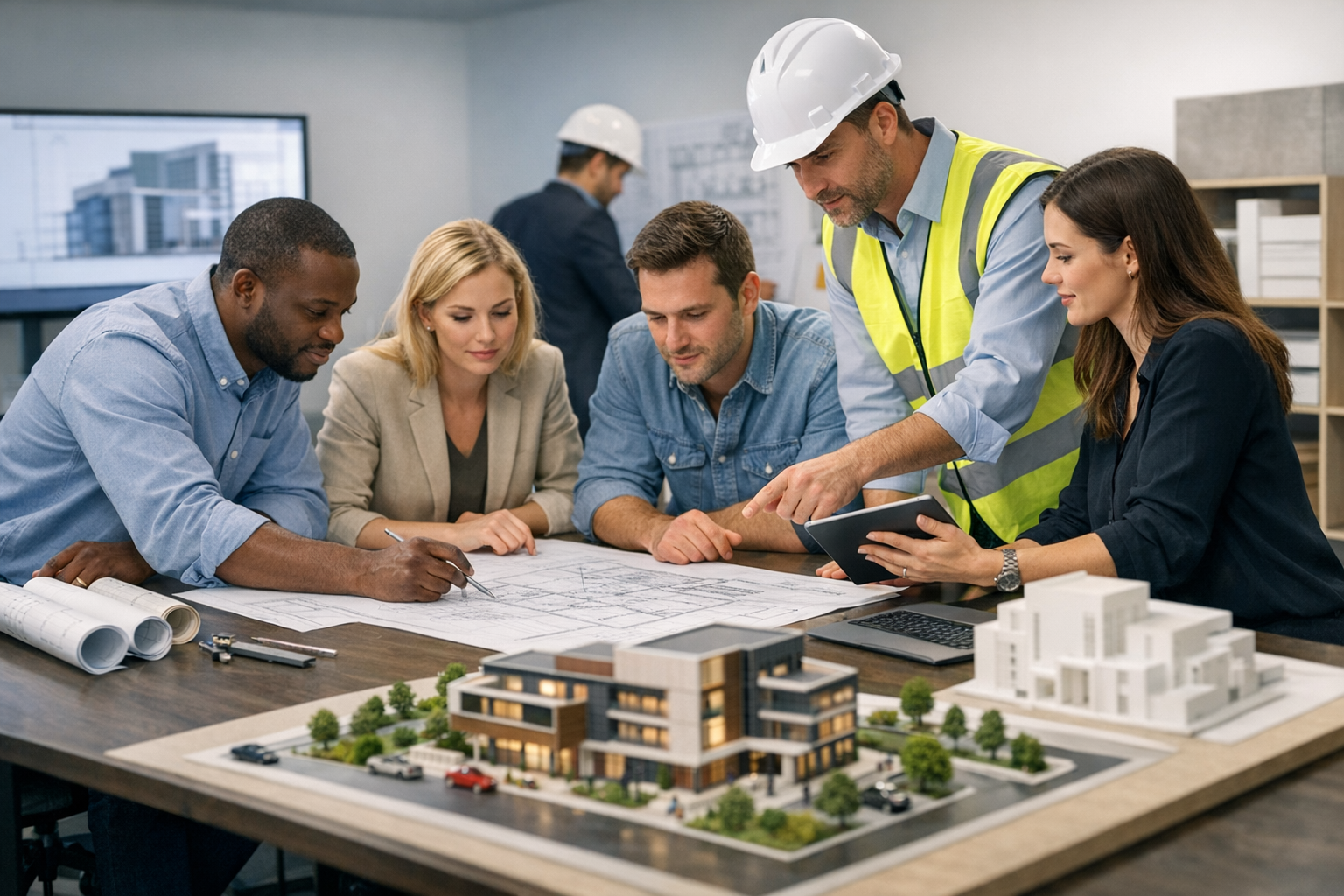
A collaborative design-build approach is a project delivery method that brings the designer, builder, and client into one team from the start. Instead of separating design and construction into different contracts, everyone works together to shape the project, solve problems early, and keep goals aligned.
This model is different from the traditional design-bid-build process, where design is completed first and construction begins later with a separate contractor. In a collaborative design-build setup, communication is continuous, decisions are faster, and the team can make smarter choices about budget, schedule, and constructability before issues become costly.
For many organizations, this approach creates a more efficient and less stressful project experience. It encourages transparency, shared responsibility, and a stronger focus on the final outcome rather than isolated tasks.
How the Process Works
The collaborative design-build process starts with early involvement from key team members. The owner or client shares project goals, priorities, budget expectations, and schedule needs. Designers and builders then work together to develop a plan that balances vision with practical execution.
Instead of handing off plans after design is complete, the team continues collaborating throughout the project. If a material choice affects cost, or a layout decision affects the construction timeline, those tradeoffs can be discussed immediately. This helps reduce rework and keeps the project moving in the right direction.
Many teams use workshops, regular coordination meetings, shared digital tools, and real-time budgeting to support the process. These touchpoints make it easier to identify conflicts, test ideas, and confirm that each decision supports the overall project goals.
Key Benefits of Collaborative Design-Build
Improved Communication
One of the biggest advantages of a collaborative design-build approach is the quality of communication. Because all major stakeholders are involved early, questions get answered faster and misunderstandings are reduced. This creates a more unified team and fewer surprises during construction.
Faster Project Delivery
When design and construction overlap, teams can move forward more efficiently. While one part of the design is being finalized, another part may already be under review for cost or constructability. This overlap can shorten timelines and help projects reach completion sooner.
Better Cost Control
Budget concerns are easier to manage when contractors are involved during design development. The team can evaluate pricing early, suggest alternatives, and avoid drawings that look good on paper but are expensive or difficult to build. That early cost awareness often leads to smarter spending and fewer change orders.
Higher-Quality Results
When design and construction teams collaborate, the final product often improves. Builders can offer practical insight on materials, sequencing, and maintenance, while designers ensure the project still meets the intended aesthetic and functional goals. The result is a more balanced and thoughtful solution.
Common Challenges and How to Overcome Them
Although collaborative design-build offers many advantages, it also requires a mindset shift. Teams used to working in silos may need time to adjust to a more open, integrated process. Clear roles, agreed-upon workflows, and strong leadership are essential to keeping everyone aligned.
Another challenge is balancing creativity with budget and schedule realities. Collaboration works best when everyone understands the project priorities and respects the tradeoffs involved. Rather than viewing budget constraints as obstacles, successful teams use them as guideposts for making informed decisions.
Technology can also be a challenge if the team does not share information effectively. Cloud-based project platforms, shared schedules, and digital drawing reviews can help keep everyone on the same page. The key is choosing tools that support communication rather than complicate it.
When to Use the Collaborative Design-Build Model
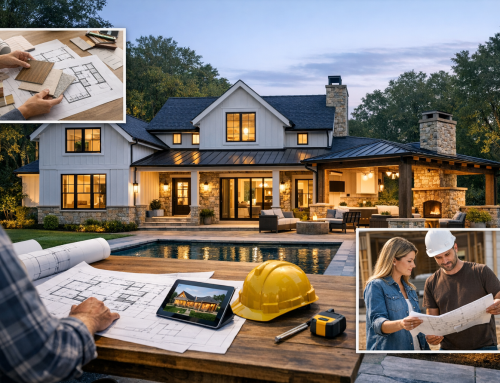
This approach is especially effective for projects that need speed, flexibility, or a high level of coordination. It works well for commercial buildings, renovations, healthcare facilities, institutional projects, and custom residential work where design intent and practical delivery must stay closely connected.
It is also a strong fit for projects with tight budgets or ambitious goals. When there is little room for error, the ability to coordinate early and often can make a meaningful difference in both the process and the final result.
For owners who want more involvement and transparency, collaborative design-build provides a clear advantage. The process gives clients a voice throughout the project instead of only at the beginning and end.
Best Practices for Success
To get the most from a collaborative design-build approach, start by defining success early. The team should agree on the project scope, priorities, budget limits, and decision-making process before major work begins. This foundation helps prevent confusion later.
Regular communication is also essential. Weekly meetings, milestone reviews, and open issue tracking can keep the project on course. Everyone should know what decisions are pending, who is responsible, and what impact each choice may have on cost or timing.
Finally, choose partners who value teamwork. A collaborative project depends on trust, respect, and a willingness to solve problems together. When the designer, builder, and client all share the same objectives, the process becomes far more effective and rewarding.
Conclusion
The collaborative design-build approach offers a practical, efficient, and team-oriented way to deliver better projects. By bringing design and construction together from the beginning, it improves communication, reduces risk, and supports stronger outcomes. For clients who value transparency, speed, and quality, it is a smart model worth considering.