Design-Build Firm Services: What They Include and Why They Matter
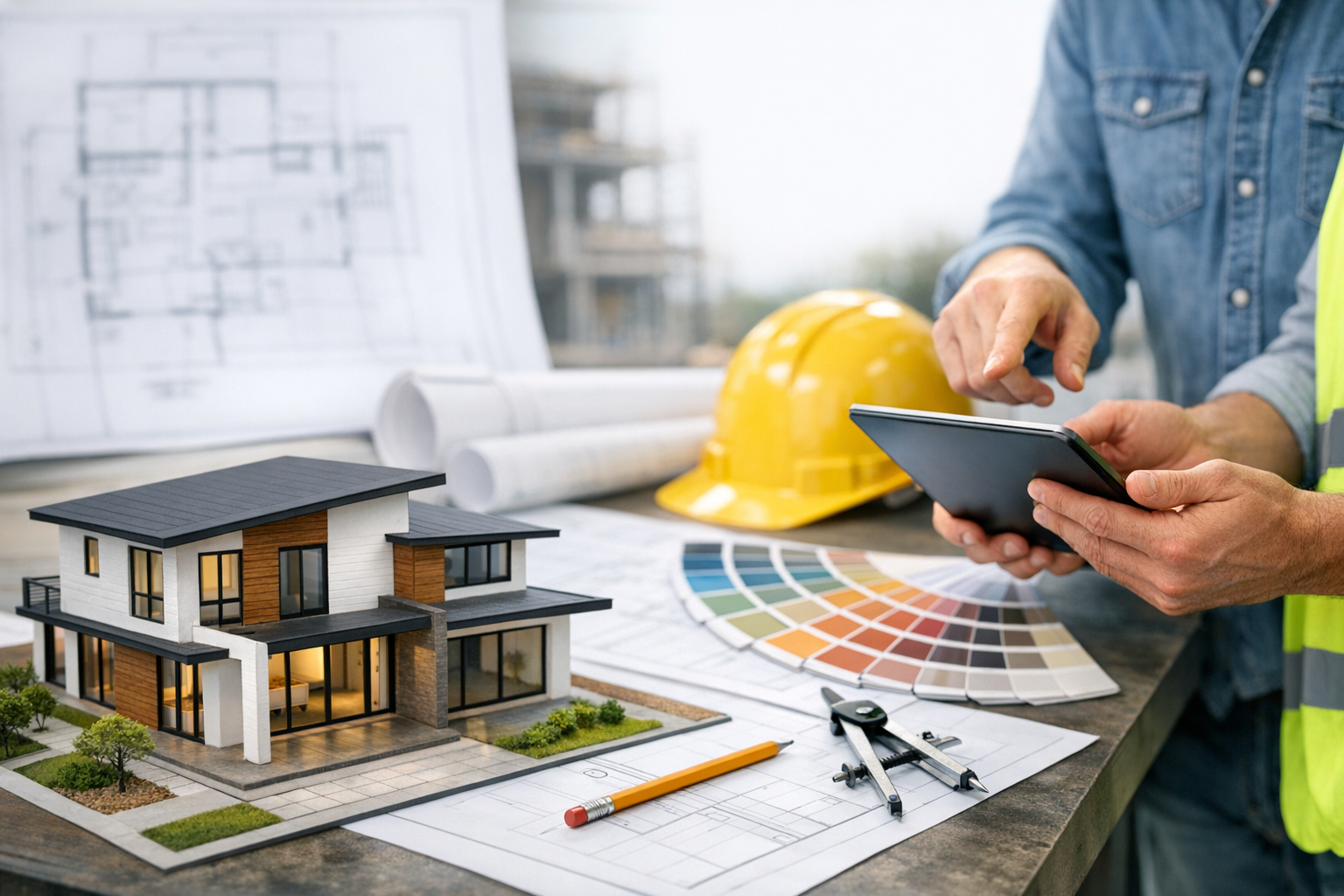
When planning a construction project, one of the most important decisions you’ll make is how to deliver it. For many property owners, developers, and businesses, design-build firm services offer a streamlined, efficient alternative to the traditional project delivery model. Instead of hiring separate designers, engineers, and contractors, a design-build firm brings everything under one roof.
This approach can simplify communication, improve coordination, and help keep projects on schedule and within budget. Whether you’re planning a commercial buildout, renovation, or new construction, understanding what design-build firm services include can help you decide if this model is the right fit.
What Is a Design-Build Firm?
A design-build firm is a company that provides both the design and construction services for a project. In the traditional model, an owner hires an architect or designer first, then bids the project to contractors, and manages communication between multiple parties. In the design-build model, one firm oversees the process from early planning through final construction.
This integrated approach creates a single point of responsibility. Instead of coordinating separate contracts and managing back-and-forth between teams, the client works with one unified group that handles the project as a whole.
Core Design-Build Firm Services
Design-build firm services can vary based on the type of project and the firm’s expertise, but most include the following core offerings.
1. Initial Consultation and Project Discovery
The process typically begins with an in-depth consultation. During this stage, the firm learns about your goals, budget, timeline, and project requirements. This may include site conditions, space needs, aesthetic preferences, functional priorities, and long-term objectives.
Clear planning at the beginning helps the team align design ideas with real-world construction considerations. It also gives the client an opportunity to ask questions and establish expectations before work begins.
2. Conceptual Design and Planning
Once the project goals are defined, the design team develops conceptual plans. These early drawings or renderings help visualize the final outcome and identify potential challenges before construction starts.
At this stage, the firm may also evaluate layout options, building codes, zoning requirements, materials, and project feasibility. Because the design and construction teams are working together, they can flag issues early and suggest practical solutions that keep the project moving forward.
3. Budget Development and Cost Estimating
One of the biggest benefits of design-build firm services is budget alignment. Rather than designing a project first and then discovering that the costs are too high, the firm can estimate expenses as plans develop.
This helps create a more realistic budget from the start. If a particular material, finish, or structural feature pushes the project beyond budget, the team can recommend alternatives before costly revisions become necessary.
4. Architectural and Engineering Coordination
Design-build firms often coordinate the architectural and engineering aspects of the project directly. This can include structural, mechanical, electrical, and plumbing considerations, depending on the scope of work.
When these disciplines work together from the beginning, the project benefits from better integration. Instead of resolving conflicts later in the process, the design-build team can align all systems early, reducing delays and minimizing rework.
5. Permitting and Approvals
Construction projects often require permits and regulatory approvals before work can begin. Design-build firms typically assist with preparing and submitting documents, responding to plan review comments, and coordinating with local authorities.
This service can save clients time and stress, especially if they are unfamiliar with municipal requirements. Having one team manage the paperwork and approval process can make it easier to keep the project on track.
6. Construction Management and Execution
After the design is finalized and approvals are in place, the same firm typically manages construction. This includes scheduling subcontractors, ordering materials, monitoring progress, and maintaining quality control.
Because the construction team is involved early, they understand the intent behind the design and can execute it more efficiently. That continuity often leads to fewer surprises, smoother communication, and a better overall experience for the client.
7. Ongoing Communication and Collaboration
Design-build firm services also include consistent communication throughout the project. Clients usually have regular updates on progress, milestones, and any changes that may affect budget or schedule.
This collaborative approach is especially valuable when decisions need to be made quickly. Instead of waiting for separate teams to coordinate, the client can receive answers and recommendations from a unified source.
8. Project Closeout and Final Walkthrough
As the project nears completion, the firm typically handles punch list items, final inspections, and closeout documentation. A final walkthrough allows the client to review the work, identify any remaining details, and confirm that the project meets expectations.
Good closeout services help ensure the transition from construction to occupancy or use is smooth and organized. They also provide peace of mind that the work has been completed properly.
Benefits of Working with a Design-Build Firm
In addition to the specific services they provide, design-build firms offer several broader advantages.
Streamlined communication: With one team responsible for both design and construction, there are fewer opportunities for miscommunication.
Faster project delivery: Since design and construction can overlap, projects may move more quickly than in the traditional method.
Better budget control: Cost considerations are built into the process from the beginning, which can help prevent expensive changes later.
Improved accountability: One firm owns the process, making it easier to address questions, resolve issues, and maintain consistency.
Reduced risk of rework: Collaboration between design and construction professionals helps catch conflicts early and avoid mistakes during building.
When Design-Build Is a Smart Choice
Design-build firm services are a strong option for clients who want efficiency, clarity, and fewer moving parts. They are especially useful for commercial projects, renovations with tight schedules, and owners who prefer a more hands-on, collaborative process.
This model can also be a good fit when budget certainty matters or when the project involves complex coordination between multiple disciplines. If you want a process that emphasizes teamwork and simplicity, design-build may be the right approach.
Conclusion
Design-build firm services bring design, planning, and construction together in one coordinated process. From the first consultation to final closeout, this model can reduce stress, improve efficiency, and help deliver a smoother project experience. If you’re planning a building project and want a more integrated approach, working with a design-build firm may offer the clarity and confidence you need.