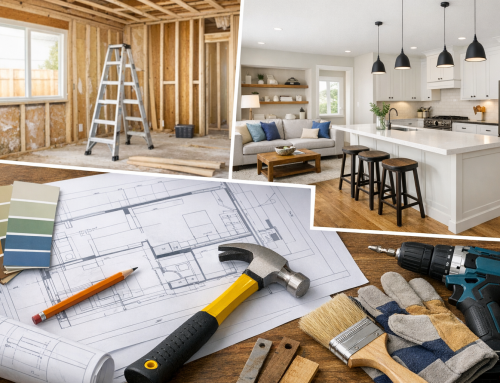
Residential Renovation Contractors: How to Choose the Right Team for Your Home

Residential Renovation Contractors: What They Do and Why They Matter
Residential renovation contractors play a central role in turning outdated, impractical, or damaged living spaces into homes that better fit your lifestyle. Whether you are updating a kitchen, finishing a basement, adding a bathroom, or doing a whole-home remodel, the right contractor helps coordinate the project from start to finish.
These professionals manage many moving parts, including planning, budgeting, scheduling, permits, subcontractors, inspections, and quality control. A good contractor does more than build. They help you make informed decisions, avoid costly mistakes, and keep the renovation moving in the right direction.
Because home renovations can involve multiple trades and several stages of work, hiring a skilled contractor is often the difference between a stressful experience and a smooth one. If you want a project completed on time, within budget, and to a high standard, choosing the right contractor should be one of your first priorities.
What Services Do Residential Renovation Contractors Offer?
Residential renovation contractors handle a wide range of projects, from small upgrades to major remodels. Their exact services depend on the size of the company and the scope of the job, but many offer end-to-end renovation support.
Common renovation services
- Kitchen remodeling
- Bathroom renovations
- Basement finishing
- Room additions
- Flooring replacement
- Drywall, painting, and trim work
- Window and door replacement
- Whole-home renovations
- Structural updates and layout changes
Some contractors specialize in design-build services, meaning they help with both planning and construction. Others focus strictly on the build itself and work from plans created by an architect or designer. Knowing the type of contractor you need will help you narrow your search.
How Residential Renovation Contractors Work
Understanding the renovation process can make it easier to work with a contractor and know what to expect. While every project is different, most follow a similar sequence.
1. Initial consultation
The process usually begins with a consultation or site visit. During this stage, you share your goals, budget, timeline, and any concerns about the home. The contractor may inspect the property, ask questions, and discuss possible solutions.
2. Estimate and proposal
After reviewing the project, the contractor provides an estimate or proposal. This should include the scope of work, materials, labor costs, payment schedule, and timeline. A detailed estimate helps prevent misunderstandings later.
3. Planning and permits
Depending on the project, permits may be required before work begins. A reliable contractor will understand local building codes and help obtain the necessary approvals. This step is especially important for structural work, electrical upgrades, plumbing changes, and additions.
4. Construction phase
Once everything is approved, work begins. The contractor schedules subcontractors, orders materials, and oversees daily progress. They also manage issues that arise, such as delays, supply shortages, or unexpected repairs.
5. Final walkthrough
At the end of the project, the contractor should walk through the completed work with you. This is your opportunity to review the results, point out any concerns, and confirm that everything matches the agreed-upon scope.
Qualities to Look for in a Residential Renovation Contractor
Not all contractors offer the same level of service, so choosing carefully is important. The best residential renovation contractors combine technical skill with strong communication and professionalism.
Experience and specialization
Look for a contractor with proven experience in the type of renovation you need. A company that excels at kitchen remodels may not be the best fit for a structural addition. Relevant experience can lead to better planning and fewer surprises.
Licensing and insurance
A trustworthy contractor should be properly licensed and insured. This protects both you and the workers on site. Ask for proof of general liability insurance and workers’ compensation coverage before signing any agreement.
Clear communication
Good contractors communicate clearly and respond promptly. They should explain the process, answer questions directly, and keep you updated as the project progresses. Poor communication is often a warning sign of bigger problems.
Detailed written contracts
Every renovation should be backed by a written contract. It should spell out the scope of work, materials, schedule, payment terms, change order process, and warranty details. A complete contract helps protect both parties and reduces confusion.
Positive references and reviews
Checking references and reading reviews can give you insight into how a contractor works. Ask about punctuality, cleanliness, budget management, and how well the contractor handled unexpected issues. Consistent feedback from past clients is a good sign.
Questions to Ask Before Hiring
Before hiring a contractor, take time to ask the right questions. This helps you compare professionals and choose one that fits your goals.
- How long have you been in residential renovation?
- Do you have experience with projects like mine?
- Are you licensed and insured?
- Who will manage the project day to day?
- How do you handle unexpected changes or cost overruns?
- Can you provide references from recent clients?
- What is the expected timeline?
- What does your warranty cover?
Asking these questions helps you understand how the contractor operates and whether they are a good fit for your project and communication style.
How to Avoid Common Renovation Problems
Renovation projects can run into trouble when expectations are unclear or the contractor is not well organized. Fortunately, a few smart steps can help reduce risk.
First, define your goals early. Know what you want to accomplish, where you are willing to compromise, and what your budget can realistically support. Second, get multiple quotes so you can compare scope and pricing. The lowest bid is not always the best value if it leaves out key work or uses low-quality materials.
Third, document changes as they happen. Renovations often uncover hidden issues, such as old wiring, water damage, or structural problems. When the plan changes, make sure updates are approved in writing before work continues. Finally, maintain regular communication with your contractor so small issues do not become major delays.
Why Hiring the Right Contractor Pays Off
The right residential renovation contractor helps protect your investment, improves the final result, and saves you time and stress. A well-managed renovation can increase your home’s comfort, functionality, and value. More importantly, it can make your living space better suited to your daily life.
When you hire a contractor with experience, strong references, and a clear process, you are more likely to get a project that stays on track. That peace of mind is one of the biggest benefits of working with a professional.
Conclusion
Residential renovation contractors bring the skills, organization, and oversight needed to complete home improvement projects successfully. By understanding their role, asking the right questions, and choosing carefully, you can set your renovation up for a smoother experience and better results. The right contractor does not just build your project—they help turn your vision into a finished space you will enjoy for years.