Choosing a Custom Home Builder for Luxury Properties
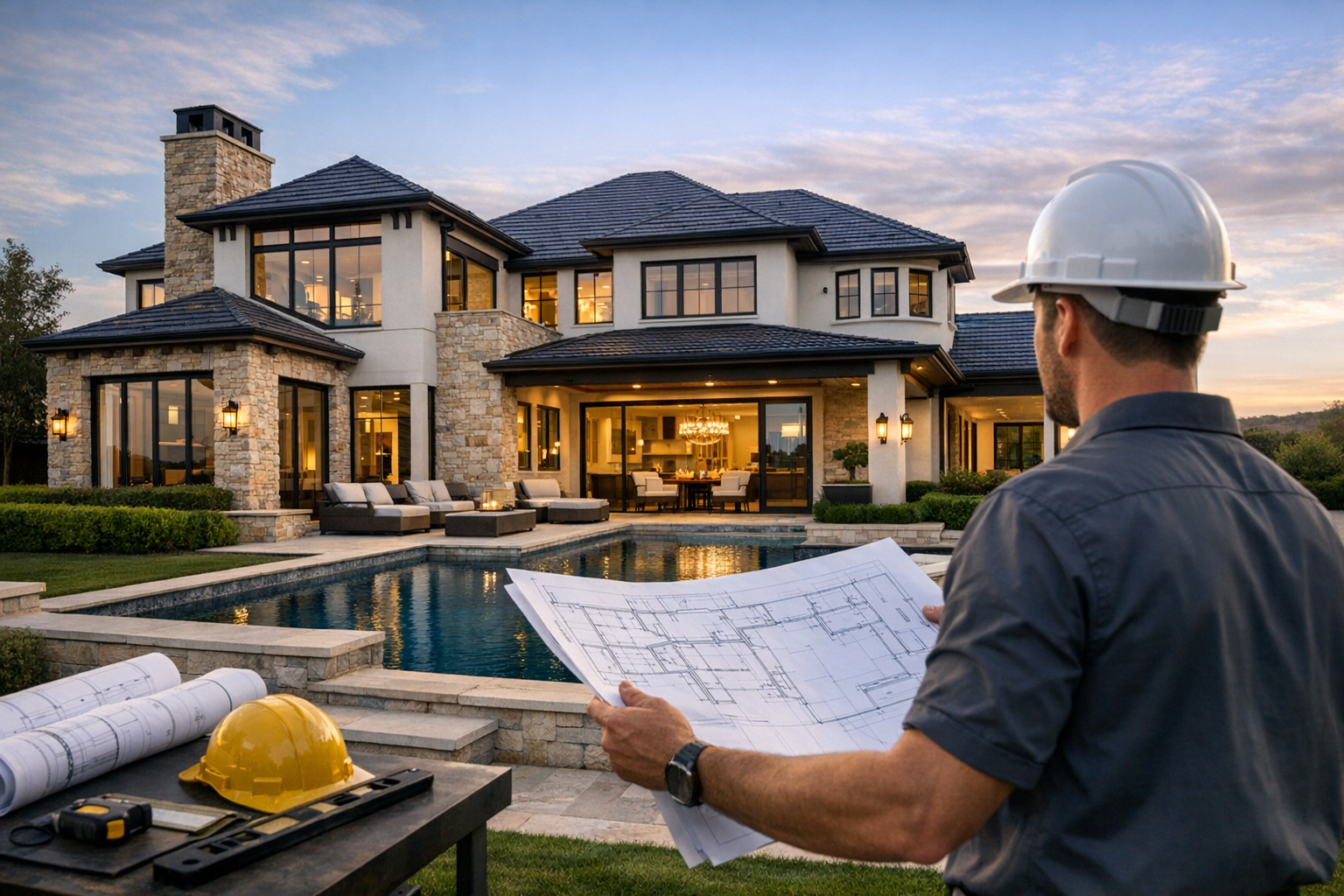
Building a luxury home is an opportunity to shape a property around your lifestyle, taste, and long-term plans. It is also a major investment involving many decisions, specialists, and moving parts. The right custom home builder can bring those elements together, guiding your project from the first conversations through construction and handover.
Not every builder is equipped for the complexity of a high-end custom home. Here is what to look for, what to ask, and how to build a productive partnership before work begins.
What a Luxury Custom Home Builder Does
A custom home builder coordinates the practical work of turning a design into a finished home. Depending on the contract and project team, that can include budgeting, scheduling, permits, trade coordination, site management, material procurement, quality checks, and communication with the architect and interior designer.
Luxury construction often involves more than a larger floor plan or premium finishes. It may require complex structural details, specialty systems, carefully integrated technology, unusual materials, or challenging site conditions. An experienced builder helps translate the design intent into construction decisions while keeping performance, safety, and budget in view.
How to Choose the Right Builder
Look for relevant experience
Review completed projects that are similar in scale, style, and complexity to your plans. Ask whether the builder has worked with features you consider essential, such as expansive glazing, custom millwork, wellness spaces, advanced home automation, or energy-efficient systems. A portfolio can show craftsmanship, but conversations with past clients can reveal how the builder handled communication, changes, and unexpected challenges.
Where possible, visit a completed home or a current job site. Notice the quality of finishes, organization, and attention to detail. Ask how the builder works with architects and designers, and whether they can provide references from those professionals as well as homeowners.
Evaluate communication and fit
You will make many decisions throughout a custom build, so choose someone who listens carefully and explains options clearly. Ask who your main point of contact will be, how often you will receive updates, and how site meetings are handled. A clear process for questions and decisions can prevent small uncertainties from becoming costly delays.
Pay attention to how the builder responds before you sign. Do they ask thoughtful questions about how you live, or move too quickly toward a standard package? A strong working relationship should feel collaborative, transparent, and respectful of your priorities.
Planning the Project Before Construction
Define your priorities and budget
Start by distinguishing must-haves from features you would consider if the budget allows. Think beyond room counts: how you entertain, work, relax, and move through the home can inform layout decisions. Discuss your priorities with your architect and builder early so the design reflects both your vision and practical constraints.
Set a realistic project budget that accounts for more than the construction contract. Depending on the location and project, you may need to plan for land, design and engineering fees, surveys, permits, landscaping, furnishings, and temporary accommodation. Include a contingency for unforeseen conditions and design decisions made during construction. Your builder should explain what is included in the estimate, what is excluded, and how allowances are handled.
Make key decisions early
Early choices about room layout, structural systems, windows, and major mechanical equipment can influence both cost and schedule. Finish selections matter, too: custom stone, specialty fixtures, and made-to-order cabinetry may have longer lead times than standard products. Ask the builder to identify decisions that need to be made early and provide a selection schedule.
Understanding Contracts, Costs, and Timelines
Before construction begins, review the agreement carefully. It should explain the scope of work, payment schedule, allowances, change-order process, insurance responsibilities, anticipated schedule, and procedures for resolving issues. Confirm that drawings and specifications are sufficiently detailed to support clear pricing. If anything is vague, ask for clarification before signing.
Luxury projects can encounter delays due to permitting, weather, material availability, or complex coordination between trades. A dependable builder will set out a realistic schedule, explain key milestones, and communicate promptly when circumstances change. Ask how progress is tracked and how schedule impacts are managed.
Comparing bids is useful, but the lowest number may not represent the best value. Check that proposals cover comparable work and materials. A price that omits important items or relies on low allowances may grow as selections are finalized. Focus on transparency, experience, and the quality of the proposed process—not just the initial total.
Quality, Comfort, and Long-Term Performance
Beautiful finishes are only part of a successful luxury home. Ask how the builder manages quality control at each stage, including work that will be covered by later finishes. Proper coordination of waterproofing, insulation, ventilation, and building systems can influence comfort and durability for years.
Discuss energy performance and maintenance alongside aesthetics. High-performance windows, efficient heating and cooling, thoughtful shading, and well-designed controls can improve comfort while helping manage operating costs. If you want smart-home features, plan how lighting, security, entertainment, and climate controls will work together—and who will support the systems after handover.
Questions to Ask a Prospective Builder
- Can you share references for projects of similar size and complexity?
- Who will manage the project day to day, and how will we communicate?
- What is included in your estimate, and how are allowances and changes priced?
- How do you monitor workmanship and coordinate inspections?
- What challenges do you anticipate for this site or design?
- What warranties, handover support, and maintenance guidance do you provide?
Conclusion
A successful luxury home begins with a builder whose experience, communication style, and working process fit your project. Take time to verify references, clarify costs, and align on priorities before construction starts. With the right team and a well-planned process, your custom home can be both distinctive and built to serve you well for years to come.