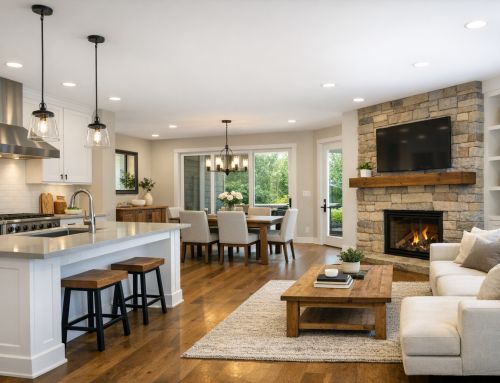
How to Choose Premium Home Renovation Contractors

A major home renovation is more than a construction project. It is an investment in the comfort, function, and long-term value of your home. Premium home renovation contractors bring together skilled trades, thoughtful planning, quality materials, and consistent project management to turn ambitious ideas into a finished space. Knowing what sets these professionals apart—and how to choose the right one—can help you make the most of your budget and avoid costly surprises.
What Makes a Home Renovation Contractor Premium?
“Premium” should describe the quality of the work and the experience behind it, not simply a high price. A reputable contractor coordinates the many moving parts of a renovation, from early planning and permits to construction, inspections, and final details. They also communicate clearly, set realistic expectations, and take responsibility for the work their team performs.
Premium contractors often have established relationships with architects, designers, engineers, and specialist tradespeople. This collaboration can be especially valuable for complex projects, such as kitchen expansions, whole-home renovations, or additions that require structural changes. A well-coordinated team can identify conflicts early and help ensure that the design is practical as well as attractive.
Services to Expect from a High-End Renovation Team
The exact services vary by company, so clarify what is included before signing an agreement. Depending on the project, a full-service contractor may provide:
- Project planning: Defining the scope, schedule, budget, and key decisions before construction begins.
- Design coordination: Working with your architect or interior designer, or connecting you with design professionals.
- Permitting and code compliance: Preparing applications and arranging required inspections.
- Trade and material coordination: Scheduling qualified specialists and managing orders and deliveries.
- Construction management: Overseeing day-to-day work, site safety, workmanship, and progress.
- Closeout support: Reviewing the finished work, addressing agreed-upon corrections, and sharing warranty information.
Ask whether services such as design fees, permit costs, cleanup, and material procurement are included or billed separately. A detailed scope makes it easier to compare proposals fairly.
How to Choose the Right Contractor
Review experience that matches your project
Look for a contractor with experience in the type, size, and style of renovation you have in mind. A company that excels at bathroom updates may not be the best fit for a structural addition. Request examples of completed projects and, where possible, visit a finished home or a current job site. Pay attention to details such as trim, tile alignment, cabinetry, and how cleanly different materials meet.
Check licenses, insurance, and references
Confirm that the contractor holds any licenses required in your area and carries appropriate liability insurance and workers’ compensation coverage. Ask for recent references, then speak with previous clients about communication, schedule changes, workmanship, and how issues were handled. Online reviews can provide context, but direct conversations often reveal more about the day-to-day experience.
Compare proposals carefully
Obtain written proposals from a small number of qualified contractors. The lowest bid is not necessarily the best value, especially if it leaves out essential work or relies on vague allowances. A strong proposal should describe the scope, materials or product standards, estimated timeline, payment schedule, exclusions, and how changes will be approved. Ask each contractor to explain any unclear line items before you decide.
Understand the Budget and Contract
Premium renovation work can involve higher upfront costs for experienced labor, durable materials, detailed planning, and careful project oversight. The right comparison is not only the total price, but also what that price covers and how the contractor manages risk. Ask how estimates are developed, which costs may change, and what happens if hidden conditions are discovered after walls or floors are opened.
Set aside a contingency fund for unexpected issues, particularly in older homes. The appropriate amount depends on the condition and complexity of the property; your contractor can help you assess likely risks. Keep that reserve separate from optional upgrades so you can respond to necessary repairs without losing sight of your priorities.
Before work begins, review the contract closely. It should identify the parties, scope, payment milestones, start and estimated completion dates, insurance details, warranty terms, and process for change orders. Avoid relying on verbal promises. Any agreed change to materials, cost, or schedule should be documented and approved in writing.
Communication and Project Management Matter
Even excellent construction can feel stressful if communication is inconsistent. Ask who will be your main point of contact, how often you will receive updates, and how urgent questions are handled. Find out how the team tracks decisions, approvals, and selections. A shared schedule or project portal can make it easier to follow progress and keep important information in one place.
Agree on expectations for access to the home, working hours, dust protection, security, and cleanup. If you will live in the house during construction, discuss which areas will be unavailable and how the contractor will reduce disruption. Practical planning around daily routines is an important part of a successful renovation.
Warning Signs to Watch For
Be cautious if a contractor pressures you to sign immediately, asks for an unusually large upfront payment, refuses to provide references, or offers a quote without understanding the project. Vague answers about insurance, permits, subcontractors, or schedule are also reasons to pause. A premium contractor should welcome informed questions and explain the process without making unrealistic guarantees.
Conclusion
The best premium home renovation contractor combines craftsmanship with clear planning, dependable communication, and a well-defined contract. Compare experience, references, scope, and project management—not just price. With careful selection and realistic expectations, you can create a home that serves you beautifully for years to come.