Professional Renovation and Remodeling: A Practical Guide to a Better Home
A successful renovation does more than update a room. It can make your home work better for everyday life, improve comfort, and help protect the value of your property. Whether you are planning a kitchen remodel, finishing a basement, or updating several rooms, professional renovation and remodeling services can bring the right skills, planning, and coordination to the project.
Knowing what to expect before work begins makes it easier to set priorities and make informed decisions. Here is a practical guide to planning a renovation, choosing a contractor, and keeping the project on track.
Renovation vs. Remodeling: What Is the Difference?
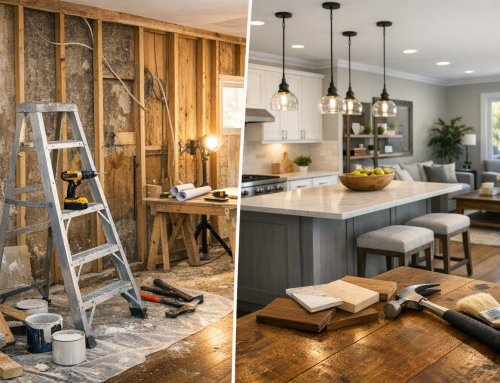
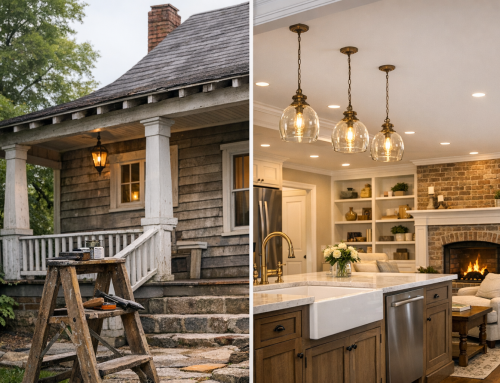
The terms are often used interchangeably, but they can describe different kinds of work. Renovation generally means repairing or updating an existing space while keeping its basic layout. Examples include replacing flooring, refreshing cabinets, or updating fixtures.
Remodeling usually changes the space itself. A remodel might involve moving walls, changing a kitchen layout, converting a spare room, or adding new functions to a bathroom. Because remodeling can affect plumbing, electrical systems, framing, and other parts of a home, it often requires more extensive planning and coordination.
Some projects include both. A kitchen remodel, for example, may change the layout while also adding new surfaces, appliances, and lighting.
Start with Clear Goals and a Realistic Budget
Decide what the project needs to accomplish
Begin with the problem you want to solve. Perhaps your kitchen lacks storage, your bathroom is difficult to use, or your home needs more space for working or relaxing. Distinguishing essential improvements from optional upgrades helps guide design decisions when costs or space are limited.
Think about how you use the area now and how you expect to use it in the future. Consider storage, accessibility, maintenance, natural light, and the number of people who share the space. A beautiful finish matters, but a layout that supports daily routines can have a greater long-term impact.
Build a budget with room for the unexpected
Ask for a detailed estimate that explains the expected labor, materials, and other project costs. The total may also include design services, permits, disposal, delivery, and temporary protection for the home. Keep a contingency fund for surprises, especially in older properties where concealed water damage, outdated wiring, or other hidden conditions may only become clear after work begins.
If the project exceeds your budget, discuss options with the contractor before work starts. You may be able to choose a different material, adjust the scope, or complete the work in phases. Changing major decisions during construction can create delays and additional costs, so it is helpful to resolve priorities early.
Choose the Right Renovation Professional
The right contractor should have relevant experience, communicate clearly, and provide a written agreement that explains the work. Look for professionals who have completed projects similar in scope and complexity to yours. Ask for references, review examples of past work, and confirm which services the contractor will provide directly and which may involve subcontractors.
Before signing, discuss the project schedule, payment terms, cleanup, site access, and how changes will be handled. Confirm that the contractor has appropriate licensing and insurance for your location and type of project. If permits are required, clarify who will apply for them and arrange inspections.
A detailed contract should describe the scope of work, materials or allowances, estimated start and completion dates, payment schedule, and process for approving changes. It should also explain what happens if unexpected conditions affect the timeline or cost. Clear documentation helps everyone stay aligned.
Plan the Design and Construction Process
Make key decisions before work begins
Selections such as cabinets, tile, flooring, plumbing fixtures, and lighting can affect both the budget and schedule. Some products have longer lead times than others. Finalizing choices early gives the contractor a better chance of ordering materials on time and coordinating the work efficiently.
Ask how design choices work together. Durable surfaces may suit busy households, while layered lighting can make a room more comfortable and functional. For a kitchen or bathroom, careful attention to clearances, storage, ventilation, and task lighting can help prevent everyday frustrations.
Prepare for life during construction
Renovation can temporarily affect access to rooms, household routines, and indoor comfort. Before construction starts, ask which areas will be available, how dust and debris will be managed, and whether water or power may need to be shut off. Set up a temporary kitchen or bathroom if necessary, and move valuables and fragile belongings away from the work area.
Agree on a regular communication routine. A brief weekly update can cover completed work, upcoming tasks, decisions needed, and any schedule changes. When questions arise, contact the person identified as the project lead rather than relying on informal conversations with multiple workers.
Focus on Quality, Safety, and Long-Term Value
Finishes are easy to notice, but the work behind the walls matters just as much. Proper installation, moisture management, ventilation, and attention to structural and electrical requirements contribute to a safe, durable result. Ask the contractor how relevant building codes and inspections will be addressed, and avoid covering work that requires inspection before approval.
Think beyond immediate appearance when choosing materials. Consider durability, cleaning requirements, repairability, and whether replacement parts are likely to remain available. Energy-efficient fixtures or improved insulation may also support comfort, depending on the project and home. A professional can explain which upgrades make sense for your property rather than recommending features that do not fit your needs.
At the end of the job, walk through the completed work with the contractor. Make a written list of any unfinished items or corrections, and ask for product information, care instructions, and applicable warranties. Keep copies of permits, approvals, contracts, and receipts with your home records.
Conclusion
Professional renovation and remodeling can transform a home when the project is planned around real needs, a clear budget, and a trusted team. Define your goals, confirm the details in writing, and stay in communication throughout construction. With thoughtful preparation, you can create a space that looks good, functions well, and serves your household for years to come.