Remodeling Services for Older Homes: How to Preserve Charm While Improving Comfort
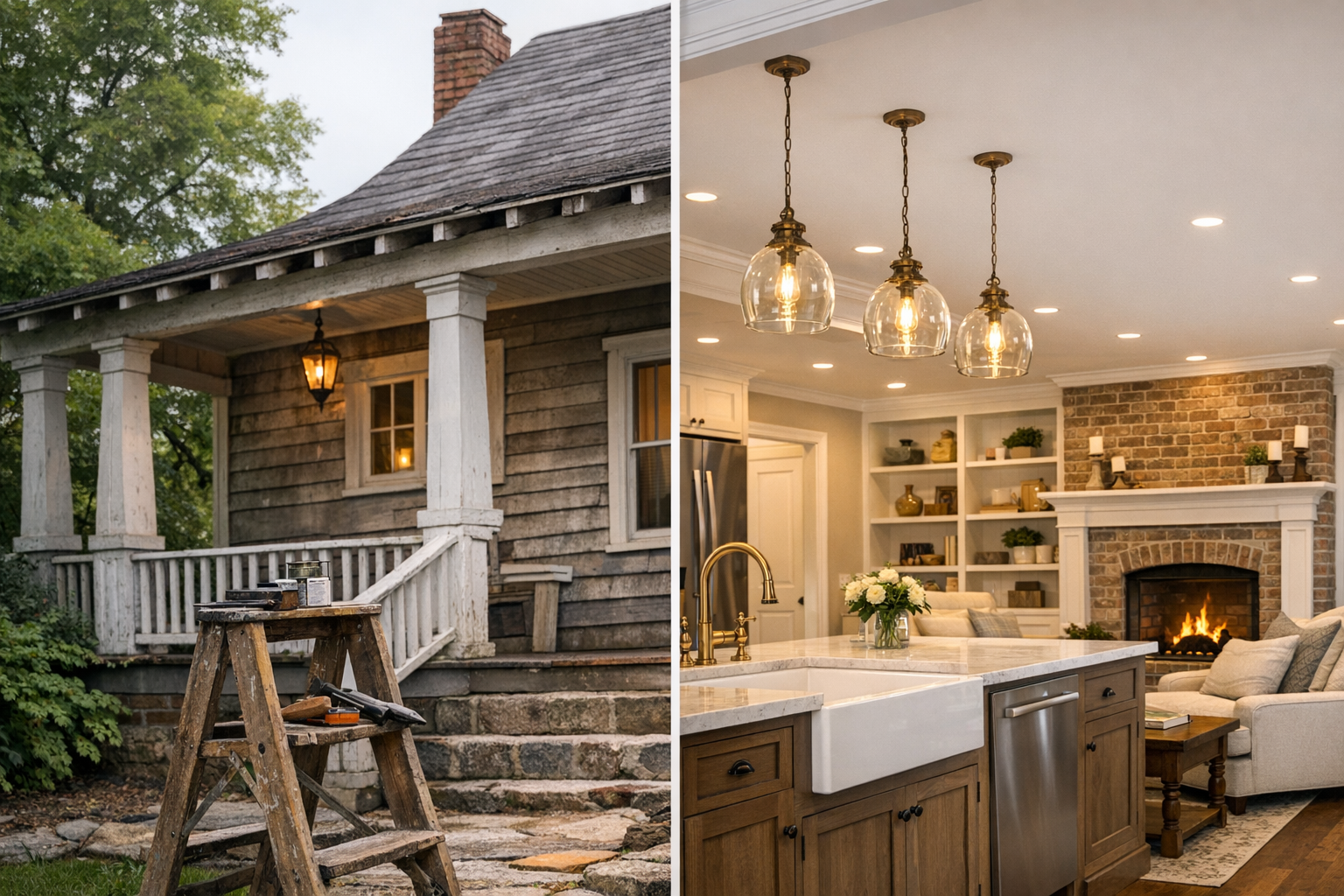
Remodeling Services for Older Homes: What Makes Them Different
Older homes have character that newer construction often tries to imitate. Original hardwood floors, detailed trim, plaster walls, built-ins, and unique layouts can give a house warmth and personality. But when it comes time to update an older property, remodeling services for older homes require a very different approach than a standard renovation.
These homes often come with hidden surprises behind the walls, from outdated wiring to aging plumbing and uneven framing. That means the best remodeling plans start with a careful evaluation of the home’s structure, systems, and materials. A thoughtful remodel should preserve the details that make the home special while improving safety, comfort, and functionality for modern living.
Common Challenges in Older Home Remodeling
Remodeling an older home can be rewarding, but it also presents a unique set of challenges. Understanding these issues early helps avoid delays, unexpected costs, and design compromises.
Outdated Electrical and Plumbing Systems
Many older homes were built long before today’s electrical demands. If your home still has knob-and-tube wiring, insufficient outlets, or an outdated panel, it may need major updates before cosmetic work begins. Plumbing can also be a concern, especially if pipes are corroded, leaking, or made from materials that no longer meet current standards.
Structural Wear and Hidden Damage
Time, moisture, pests, and settling can all affect an older home’s structure. Sagging floors, cracked plaster, uneven walls, and weakened framing are common findings during remodeling. A skilled contractor can identify these issues and recommend repairs that support the home long term.
Code Compliance and Safety Concerns
Older homes were built under different building codes, which means certain features may not meet current safety standards. Upgrading stairways, insulation, ventilation, smoke protection, and egress windows may be necessary during a remodel. These improvements help protect your family and can also increase your home’s value.
Services That Add Value Without Losing Character
The best remodeling services for older homes balance preservation with modernization. Rather than stripping away every original feature, a quality remodel highlights the home’s best qualities while making it easier to live in.
Kitchen Remodeling
Kitchen remodeling is one of the most popular upgrades in older homes. Many older kitchens were designed for smaller appliances, limited storage, and different traffic patterns. A remodel can open up the layout, add more counter space, improve lighting, and create a more efficient cooking area. At the same time, design choices like period-inspired cabinetry, vintage-style hardware, or exposed brick can help maintain the home’s original charm.
Bathroom Upgrades
Older bathrooms are often cramped, under-ventilated, and lacking in storage. Remodeling services can improve both function and comfort by replacing outdated fixtures, reworking the layout, and installing better lighting and ventilation. Even small bathrooms can feel more spacious with thoughtful design and space-saving features.
Basement and Attic Conversions
Unused basements and attics are valuable opportunities in older homes. Converting these areas into livable space can add bedrooms, offices, family rooms, or guest suites without changing the home’s footprint. These projects often require insulation, moisture control, new HVAC planning, and code-compliant exits, but they can dramatically increase usable square footage.
Historic Preservation and Restoration
Some older homes benefit from restoration work that focuses on repairing original materials rather than replacing them. Skilled remodeling professionals can refinish hardwood floors, restore plaster walls, repair trim, rebuild porches, and salvage original doors or windows when possible. This type of work helps preserve the craftsmanship that gives older homes their value and identity.
How to Plan a Successful Older Home Remodel
A successful remodel starts with realistic goals, a clear budget, and the right team. Because older homes often reveal surprises once work begins, it is wise to plan for contingencies and leave room in the budget for unforeseen repairs.
Start With a Thorough Inspection
Before any design decisions are finalized, have the home inspected by professionals familiar with older construction. This can include a general home inspector, electrician, plumber, or structural specialist. The more information you have upfront, the easier it is to prioritize the right work.
Choose a Contractor Experienced With Older Homes
Not every remodeling contractor is equipped to work on older properties. Look for a team with experience in historic renovation, structural repair, and custom finishes. An experienced contractor will know how to troubleshoot unexpected issues, match existing materials, and protect the home’s original character.
Blend Modern Convenience With Timeless Style
The most successful older home remodels do not force the house to look brand new. Instead, they combine modern features such as energy-efficient windows, updated insulation, and better layouts with finishes that suit the home’s era. This creates a space that feels both practical and authentic.
Why Remodeling Older Homes Is Worth It
Remodeling an older home is about more than updating finishes. It is an opportunity to improve how the home works while preserving the details that make it special. When done well, these projects can increase energy efficiency, improve safety, boost resale value, and make everyday life more comfortable.
Older homes have a story to tell, and remodeling services can help write the next chapter without erasing the past. With careful planning, skilled craftsmanship, and a respect for the original structure, you can create a home that honors its history while meeting today’s needs.
Conclusion
Remodeling services for older homes require experience, patience, and a thoughtful design approach. By addressing hidden issues, preserving original character, and upgrading key systems, you can transform an aging property into a beautiful, functional home that lasts for years to come.