Home Remodeling Project Management: How to Keep Your Renovation on Time and on Budget
Why Home Remodeling Project Management Matters
Home remodeling can be exciting, but without strong project management, even a simple update can quickly become stressful. From setting priorities to coordinating contractors, every decision affects your budget, timeline, and final result. Good project management helps you stay organized, avoid costly mistakes, and keep your remodel moving forward with fewer delays.
Whether you are renovating a kitchen, finishing a basement, or tackling a whole-house update, the goal is the same: create a clear plan and manage each phase with confidence. A well-managed remodel reduces surprises and makes it easier to turn your vision into a finished space you will enjoy for years.
Start with Clear Goals and a Realistic Scope
Define what you want to achieve
Before you hire anyone or order materials, decide exactly what you want from the project. Are you trying to improve functionality, increase home value, update the style, or fix structural issues? Clear goals help you make better choices throughout the process.
Set boundaries early
One of the biggest causes of remodeling delays is scope creep, which happens when the project keeps growing after it starts. To avoid this, list your must-haves, nice-to-haves, and items you are willing to cut if needed. This gives you flexibility without losing control.
Create a Detailed Budget
Include all major cost categories
A strong remodeling budget should cover labor, materials, permits, design fees, demolition, waste removal, and finishing touches. Many homeowners forget to include contingency funds, which are essential for unexpected issues like hidden water damage, outdated wiring, or delivery delays.
Plan for a contingency buffer
A good rule of thumb is to set aside 10% to 20% of your total budget for surprises. Older homes in particular often reveal problems once walls or floors are opened. A contingency fund helps you respond without derailing the entire project.
Build a Realistic Timeline
Understand the phases of the project
Every remodel has a sequence: planning, design, permitting, ordering, demolition, construction, inspection, and final cleanup. Each phase depends on the one before it, so a delay in one area can affect the entire schedule.
Add time for the unexpected
Material shortages, weather, permit approvals, and contractor availability can all slow progress. A realistic timeline includes buffer time so you are not frustrated when the project takes longer than expected. It is better to plan conservatively than to rush and make expensive mistakes.
Choose the Right Team
Vet contractors carefully
The people you hire can make or break your remodel. Look for licensed, insured professionals with experience in the type of project you are doing. Ask for references, review past work, and compare more than just price. Communication style, reliability, and attention to detail matter just as much as cost.
Clarify roles and responsibilities
Once you select a contractor, make sure everyone understands who is responsible for what. If you are working with a designer, architect, or project manager, define how decisions will be approved and how updates will be shared. Clear roles reduce confusion and keep work moving smoothly.
Get Organized Before Work Begins
Use a project plan
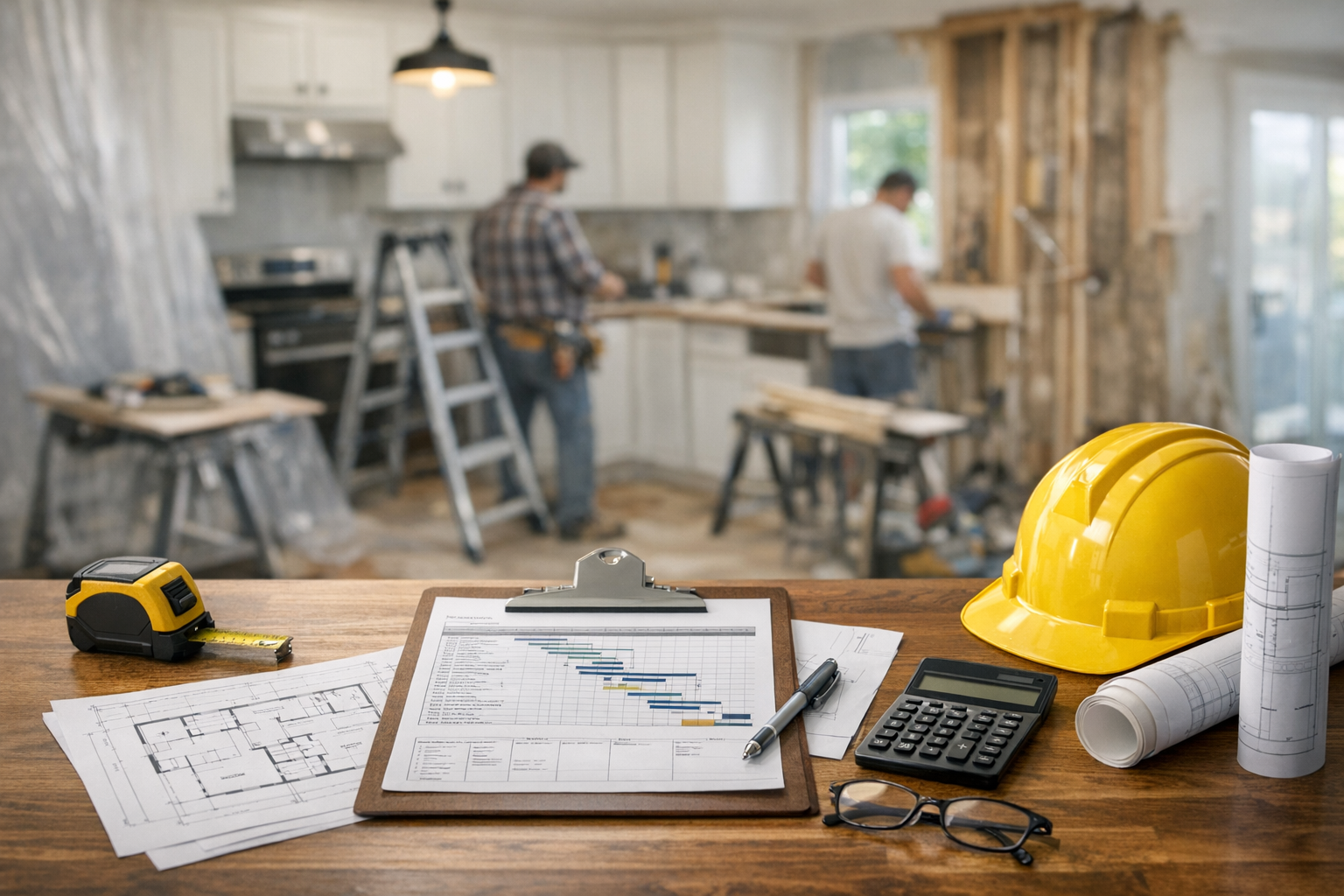
Keep all important information in one place, including contracts, permits, product specs, schedules, invoices, and contact information. A simple spreadsheet or project management app can help you track deadlines and expenses. When everyone has access to the same information, communication becomes easier.
Make decisions early
Ordering materials and finalizing finishes ahead of time can prevent delays once construction starts. Cabinets, fixtures, flooring, and appliances often have long lead times. Making selections early helps your contractor stay on schedule and avoids last-minute substitutions.
Communicate Consistently During the Remodel
Hold regular check-ins
Weekly updates with your contractor can help you stay informed and catch issues early. Use these meetings to review progress, discuss questions, and approve any changes. Frequent communication prevents small problems from becoming major setbacks.
Document changes in writing
Change orders are common during remodeling, especially when hidden problems appear or you decide to adjust the design. Always get change requests in writing, including cost and schedule impacts. Written documentation protects both you and the contractor and keeps expectations clear.
Monitor Progress and Stay Flexible
Track milestones
Watching the project against key milestones helps you see whether work is on track. Milestones may include demo completion, rough-in inspections, drywall installation, cabinet delivery, and final walkthroughs. Tracking progress makes it easier to identify delays before they grow.
Be ready to adapt
Even with excellent planning, no remodel goes exactly as expected. Supply chain issues, hidden damage, and design adjustments can require quick decisions. Staying flexible while keeping your priorities in mind will help you navigate challenges with less stress.
Inspect the Work and Finish Strong
Do a final walkthrough
Before closing out the project, walk through the space carefully with your contractor. Make a punch list of anything that needs correction, from paint touch-ups to hardware adjustments. A final review ensures the finished work meets your expectations.
Keep records for the future
Save warranties, receipts, manuals, and contractor contact information after the project is complete. These documents can be useful for maintenance, repairs, and future renovations. Good recordkeeping also helps if you ever sell your home.
Conclusion
Home remodeling project management is about more than staying organized; it is about protecting your time, money, and peace of mind. With clear goals, a realistic budget, strong communication, and the right team, you can guide your remodel from concept to completion with far less stress. Careful planning now leads to better results later.