Custom Cabinetry and Millwork: How Tailored Details Transform a Space
Introduction
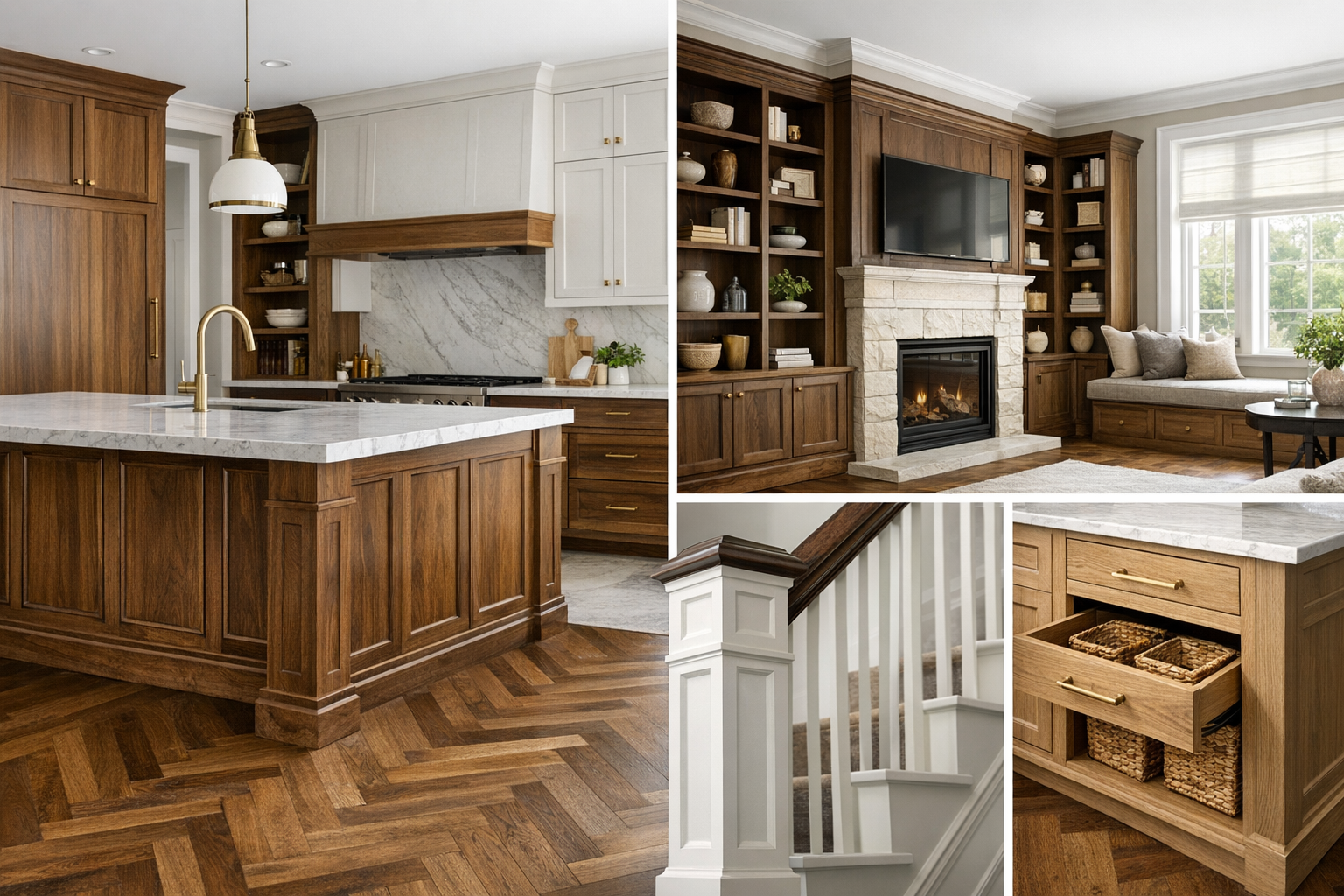
Custom cabinetry and millwork can completely change the way a home looks and functions. Unlike stock options, custom pieces are designed to fit your space, reflect your style, and solve everyday storage challenges with precision. From built-in shelves and kitchen cabinets to wall paneling and trim details, these finishes bring together craftsmanship and practicality in a way that feels seamless and intentional.
Whether you are planning a full renovation or simply want to upgrade a single room, understanding the value of custom cabinetry and millwork can help you make smarter design decisions. Below, we’ll explore what they are, why they matter, and how they add lasting value to a home.
What Is Custom Cabinetry and Millwork?
Custom cabinetry refers to cabinets that are designed and built specifically for a particular space. Rather than selecting standard sizes from a catalog, you work with a fabricator or designer to create pieces that match your dimensions, storage needs, and aesthetic preferences. This can include kitchen cabinets, bathroom vanities, built-in media centers, mudroom storage, and more.
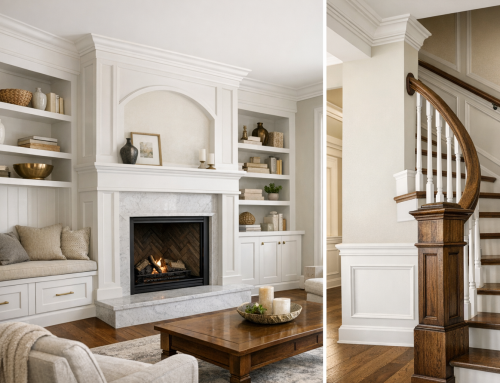
Millwork is a broader term that covers decorative and functional woodwork used in a home’s interior. This includes trim, molding, baseboards, crown molding, wainscoting, wall paneling, stair details, fireplace surrounds, and other architectural elements. When cabinetry and millwork are designed together, they create a cohesive look that ties the whole home together.
Why Homeowners Choose Custom Over Stock
One of the biggest reasons homeowners choose custom cabinetry is fit. Many homes have unusual layouts, angled walls, older framing, or limited storage space. Stock cabinets often leave gaps, waste space, or require compromises in design. Custom work is measured and built to the exact dimensions of the room, making every inch count.
Another major advantage is style flexibility. With custom cabinetry and millwork, you can choose the wood species, finish, hardware, profile, and layout that best suit your home. This makes it easier to match existing architecture or create a completely new look.
Custom pieces also tend to be more durable. High-quality materials, expert joinery, and careful installation often result in products that hold up better over time than mass-produced alternatives.
Popular Areas for Custom Cabinetry and Millwork
Kitchens
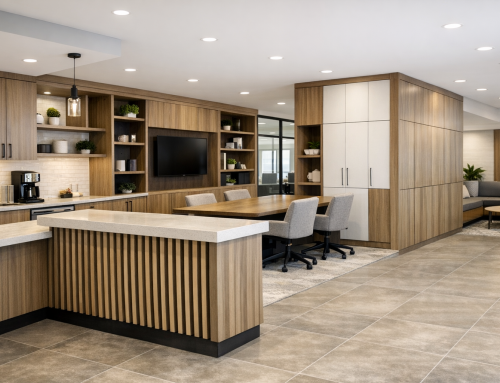
Kitchens are one of the most common places to invest in custom cabinetry. A tailored kitchen layout can improve workflow, maximize storage, and create a polished focal point in the home. Custom solutions can include pull-out shelves, hidden appliance garages, drawer organizers, pantry systems, and oversized islands designed for cooking and entertaining.
Bathrooms
In bathrooms, custom vanities and storage towers can make a small space feel more efficient and luxurious. Custom cabinetry allows for better use of awkward corners, shared sink setups, and built-in storage for towels and toiletries.
Living Rooms and Dens
Built-in bookcases, media centers, and fireplace surrounds can turn living spaces into warm, organized, and visually balanced rooms. Millwork details such as crown molding or paneling can add depth and character without overwhelming the design.
Entryways and Mudrooms
Custom benches, cubbies, lockers, and coat storage help keep busy entry areas tidy. These spaces benefit greatly from cabinetry designed around the exact needs of the household, especially in homes with children or pets.
Bedrooms and Closets
Custom closet systems and built-ins can improve daily routines by making clothing, shoes, and accessories easier to access. In bedrooms, millwork details like headboard walls or integrated nightstands can create a more finished, restful feel.
The Design Process: From Idea to Installation
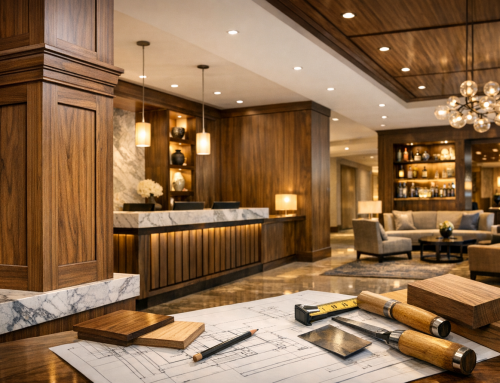
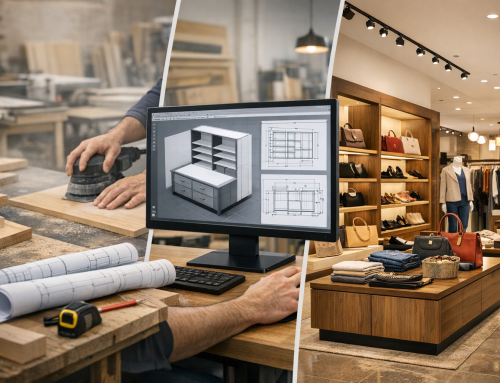
The process usually begins with a consultation to discuss your goals, style preferences, and budget. A designer or cabinetmaker will then assess the space, take measurements, and develop a concept that fits both the room and your lifestyle.
Next comes material selection. This step may include choosing between hardwoods, plywood, veneer, paint-grade finishes, stains, and hardware options. Once the design is approved, the pieces are built in a workshop, often with careful attention to detail that is difficult to achieve with prefabricated products.
Finally, the cabinetry and millwork are delivered and installed. Skilled installation is essential, especially in older homes where walls and floors may not be perfectly level. A precise installation ensures clean lines, smooth operation, and a polished final result.
Materials and Finishes That Make a Difference
The materials you choose will affect both the look and performance of your cabinetry and millwork. Solid hardwood is often used for visible components because of its strength and natural beauty. Plywood is commonly used for cabinet boxes because it provides stability and resists warping. Medium-density fiberboard may be used for painted millwork because it creates a smooth finish.
Finishes are equally important. Painted cabinetry can feel crisp and classic, while stained wood highlights grain and adds warmth. Matte finishes create a relaxed, modern look, while semi-gloss or gloss finishes are easier to clean and reflect more light. The right finish should suit the room’s use, lighting, and overall design.
How Custom Work Adds Value
Custom cabinetry and millwork can increase a home’s appeal in both practical and visual ways. Buyers often appreciate well-designed storage, cohesive finishes, and a sense of craftsmanship that stands out from standard builder-grade details. Even if you are not planning to sell soon, these features improve daily living and contribute to a more refined interior.
Beyond resale value, custom work often adds long-term value by reducing the need for future replacements. When built well and maintained properly, custom cabinetry can last for many years and continue to serve changing needs as a family grows or a home evolves.
Tips for Planning Your Project
Start with your priorities. Think about how you use the space and what problems you want to solve. Do you need more hidden storage, better organization, or a stronger visual statement? Clear goals will make the design process more effective.
It is also important to set a realistic budget. Custom work offers many possibilities, but materials, complexity, and craftsmanship all affect price. Focus your spending on the rooms and features that will make the biggest impact.
Finally, choose a designer or cabinetmaker with a strong portfolio and proven experience. Ask about timelines, materials, finish options, and installation methods so you know what to expect from start to finish.
Conclusion
Custom cabinetry and millwork do more than fill a space—they shape how a home feels and functions every day. With thoughtful design, quality materials, and expert craftsmanship, these details can bring beauty, organization, and lasting value to any room.