A Practical Guide to Interior Architectural Millwork Services
What Are Interior Architectural Millwork Services?
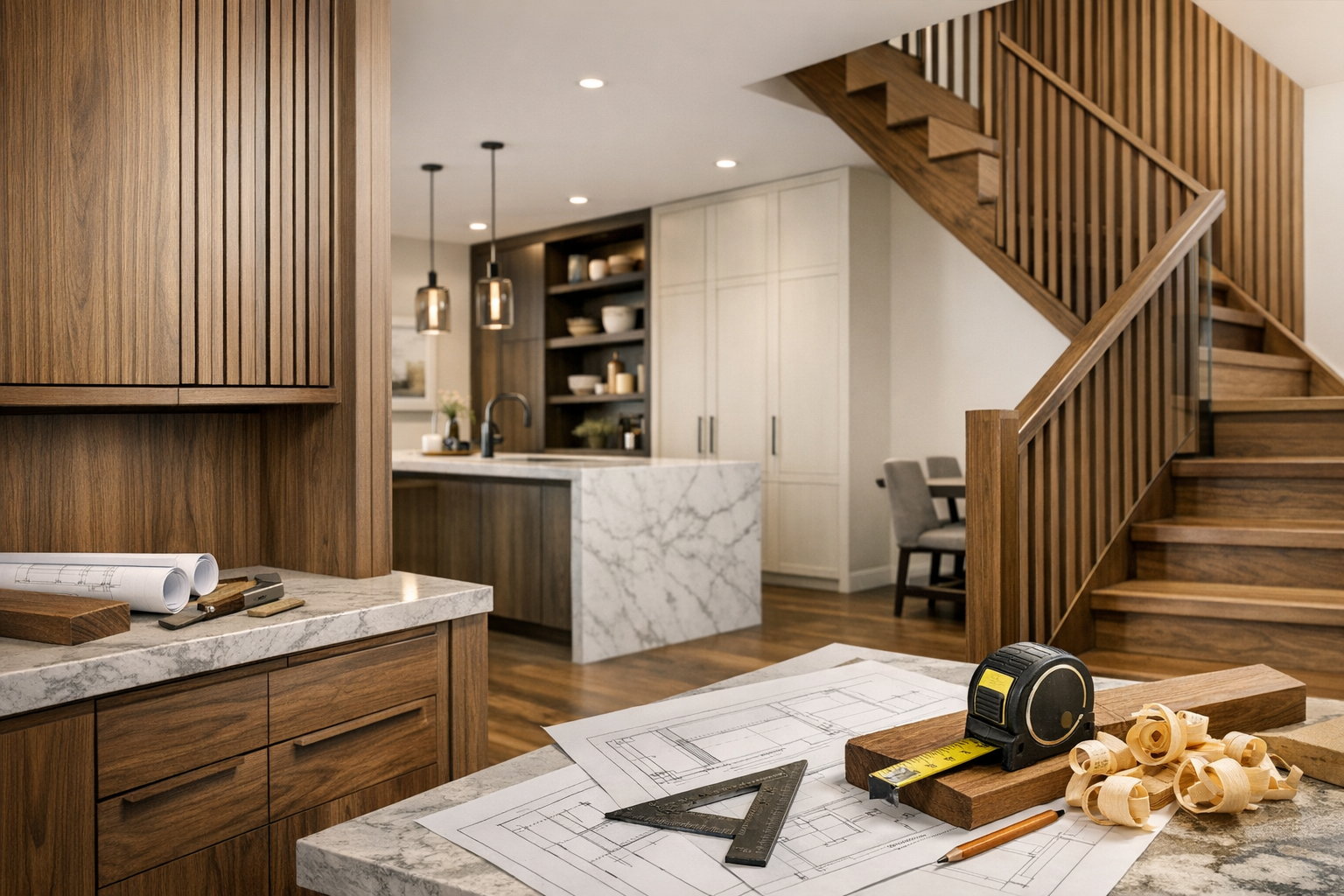
Interior architectural millwork services cover the design, fabrication, and installation of custom woodwork and related interior finishes that shape the character of a space. Unlike off-the-shelf fixtures, millwork is made to fit a specific room, brand, or architectural vision. It can include elements such as wall paneling, reception desks, cabinetry, shelving, door and window casings, trim, wainscoting, display units, and built-ins.
These services play a major role in both residential and commercial interiors. In homes, millwork adds warmth, storage, and style. In offices, hospitality spaces, healthcare facilities, and retail environments, it helps create a polished, functional, and memorable experience. Because millwork is tailored to the project, it often becomes one of the most visible signs of quality in a finished space.
Why Millwork Matters in Interior Design
Millwork is more than decorative detailing. It helps define how a space feels and functions. Well-designed millwork can make a room appear larger, more organized, or more refined. It can also reinforce a design theme by adding consistency in color, material, and craftsmanship.
For commercial spaces, millwork supports brand identity. A law office might use rich wood paneling to communicate trust and tradition, while a modern retail store may rely on clean-lined shelving and custom fixtures to create a sleek, contemporary feel. In residential settings, millwork often improves everyday living by adding smart storage, framing architectural features, and elevating basic rooms into finished, cohesive interiors.
Key Services Included in Interior Architectural Millwork
Design and Planning
The process usually begins with design consultation and planning. During this stage, millwork professionals collaborate with architects, designers, contractors, and property owners to determine the right scope, materials, and style. Detailed drawings and shop drawings are often developed to ensure the finished pieces align with the overall vision and fit precisely within the space.
Custom Fabrication
Fabrication is where the millwork is built in a shop setting using wood, veneer, laminate, metal, glass, or other specified materials. Skilled craftsmen use specialized tools and machinery to cut, assemble, finish, and prepare each component. Because every project is unique, fabrication must balance aesthetics, durability, and installation requirements.
Installation
Proper installation is essential to the final result. Millwork installers make sure each piece is aligned, secured, and integrated seamlessly with surrounding surfaces. Good installation is especially important for built-ins, wall systems, and custom cabinetry, where even small errors can affect appearance and performance.
Finishing and Detailing
Finishing gives millwork its final look and helps protect it from wear. This may include staining, painting, sealing, veneering, or applying specialty coatings. Fine detailing such as edge treatments, concealed hardware, integrated lighting, and matching grain patterns can make custom millwork feel polished and intentional.
Types of Spaces That Benefit from Millwork
Commercial Offices
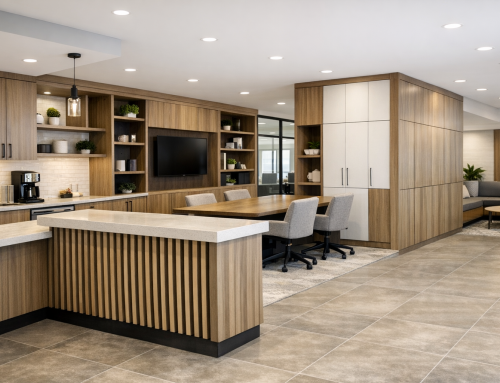
In office environments, millwork can improve both appearance and efficiency. Reception desks, conference room cabinetry, storage walls, and breakroom built-ins help organize the workplace while reinforcing a professional image. Custom solutions also make it easier to use available square footage effectively.
Hospitality and Retail
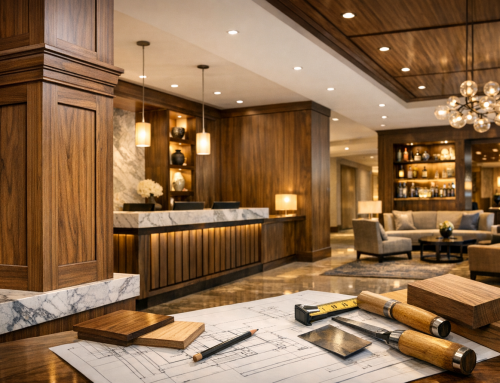
Hotels, restaurants, and retail stores rely heavily on interior architecture to attract and retain customers. Millwork is often used for host stands, bar fronts, display fixtures, accent walls, checkout counters, and room features that shape the guest experience. In these settings, the details matter because they influence perception and comfort.
Healthcare and Education
In healthcare and educational environments, millwork must support durability, sanitation, and functionality. Custom cabinetry, nurse stations, storage systems, and built-in seating can be designed to meet strict operational needs while still creating a welcoming atmosphere.
Residential Interiors
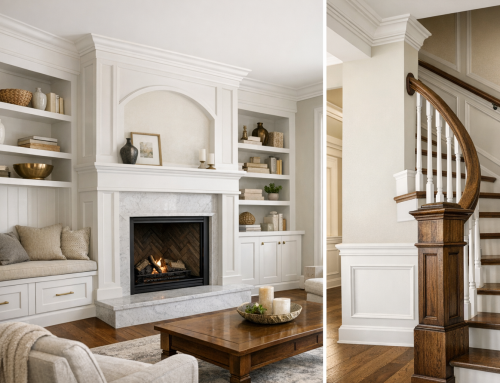
Homeowners often use millwork to add built-in bookcases, mudroom storage, entertainment centers, closet systems, and decorative wall treatments. These features not only improve organization but also create a more custom and finished look throughout the home.
How to Choose the Right Millwork Partner
Choosing the right millwork partner can make a significant difference in the success of a project. Look for a company with proven experience, a strong portfolio, and the ability to handle both design intent and technical requirements. Attention to detail is critical, especially when projects involve tight tolerances, complex finishes, or coordination with other trades.
It is also important to ask about material options, fabrication capabilities, project timelines, and installation support. A reliable millwork team should communicate clearly, provide accurate documentation, and anticipate potential issues before they become costly delays. References, samples, and site visits can also help confirm whether the partner is a good fit.
Benefits of Investing in Custom Millwork
Custom millwork offers several long-term benefits. First, it provides a tailored solution that fits your exact space rather than forcing you to work around standard dimensions. Second, it adds value through craftsmanship and visual appeal. Third, it can improve function by incorporating hidden storage, integrated technology, and specialized layouts.
Quality millwork also contributes to durability. When properly designed and installed, these features can stand up to daily use and maintain their appearance for years. In many projects, millwork becomes one of the most lasting and appreciated investments in the entire interior.
Conclusion
Interior architectural millwork services bring together design, craftsmanship, and functionality to create interiors that feel complete and distinctive. Whether the goal is to elevate a commercial space or add character to a home, custom millwork can transform ordinary rooms into highly refined environments. With the right planning and partner, it becomes a powerful tool for creating spaces that are both beautiful and practical.