Commercial Millwork Fabrication Services: What They Are and Why They Matter
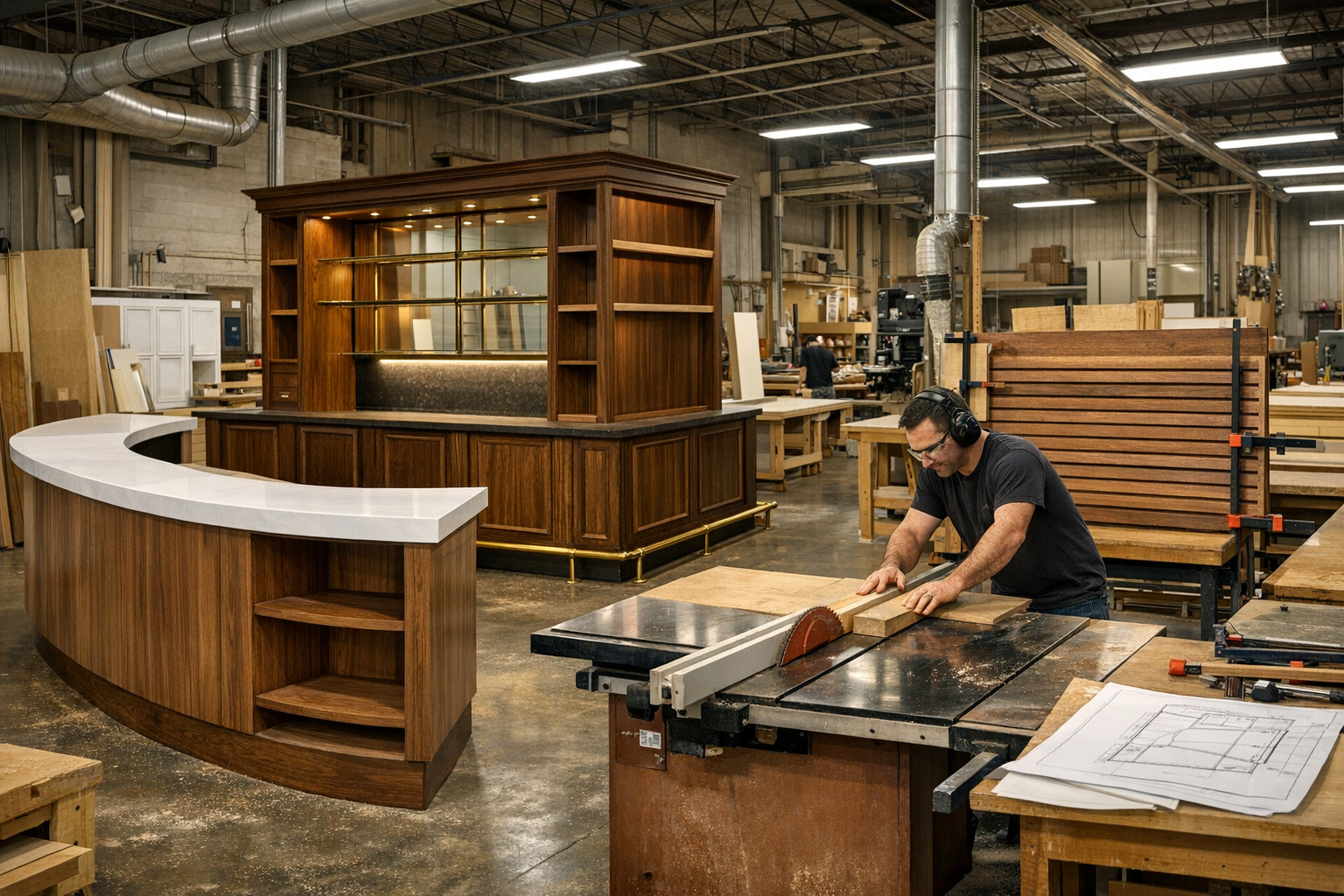
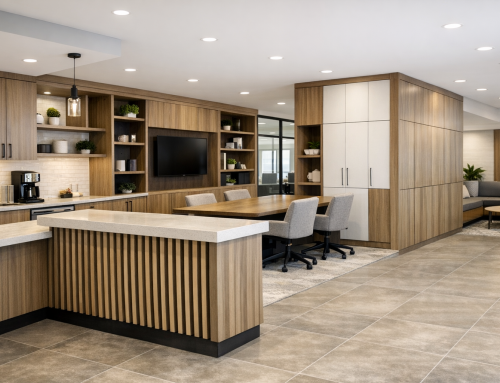
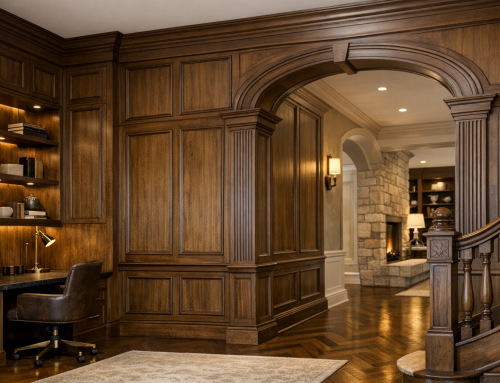
Commercial millwork fabrication services play a major role in shaping the look, function, and durability of business interiors. From retail displays and reception desks to custom wall paneling and storage solutions, millwork brings a polished, branded finish to commercial spaces. When done well, it improves the customer experience, supports daily operations, and helps a space feel complete.
What Are Commercial Millwork Fabrication Services?
Commercial millwork fabrication services involve designing, building, finishing, and installing custom woodwork and wood-based architectural elements for business environments. Unlike stock furniture or prefabricated fixtures, millwork is tailored to the specific needs of a project. This can include built-in cabinets, casework, checkout counters, wall panels, shelving, reception desks, display units, and decorative features.
These services are often used in offices, restaurants, hotels, healthcare facilities, retail stores, and other commercial settings where appearance and performance both matter. The goal is to create pieces that fit the space precisely and align with the brand’s style, workflow, and long-term needs.
Custom Work for Commercial Spaces
Commercial millwork is rarely one-size-fits-all. Every project has unique dimensions, traffic patterns, storage requirements, and design goals. A fabrication partner translates architectural drawings and design concepts into finished products that are ready for installation. This level of customization allows businesses to maximize space while maintaining a consistent and professional look.
Key Benefits of Commercial Millwork Fabrication
Investing in custom millwork offers more than visual appeal. It can have a lasting impact on how a space functions and how customers perceive the business.
Professional Branding
Custom millwork helps reinforce a company’s identity. Materials, finishes, colors, and shapes can be selected to match the brand and create a memorable environment. In customer-facing spaces, this visual consistency can make a strong first impression.
Better Space Efficiency
Commercial spaces often need to do more with less. Millwork fabricated to exact dimensions can take advantage of awkward corners, narrow walls, and other challenging layouts. Built-in solutions reduce wasted space and improve organization.
Durability and Long-Term Value
Commercial environments experience heavy use, so durability is essential. Quality fabrication uses appropriate materials, reinforced construction methods, and professional finishing techniques to help millwork stand up to daily wear. While custom pieces may cost more upfront, they often deliver better long-term value by lasting longer and requiring fewer replacements.
The Commercial Millwork Fabrication Process
While every project is different, most commercial millwork fabrication services follow a similar process. Understanding each step can help businesses know what to expect and make better decisions.
1. Design and Planning
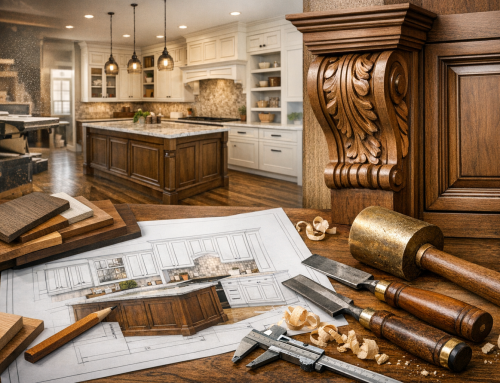
The process begins with project goals, measurements, drawings, and specifications. Fabricators review the design intent and identify any technical requirements, code considerations, or material constraints. Clear planning at this stage helps prevent delays and costly revisions later.
2. Material Selection
Depending on the project, fabricators may use hardwoods, veneers, laminates, MDF, plywood, metal accents, or specialty surfaces. Material choice affects both appearance and performance. For example, a high-traffic retail counter may require a durable laminate surface, while an upscale hospitality project may call for rich wood veneer and detailed finishing.
3. Fabrication
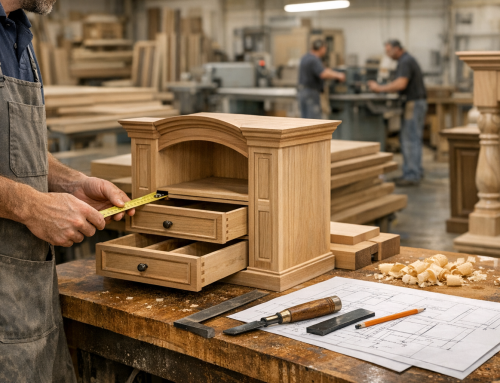
During fabrication, skilled craftspeople cut, assemble, and finish each piece according to the approved plans. Precision is critical, especially for components that must fit seamlessly into a larger interior buildout. Modern fabrication shops often use a combination of traditional craftsmanship and advanced equipment to ensure consistency and accuracy.
4. Finishing and Quality Control
Finishing adds protection and enhances the final appearance. This may include staining, painting, sealing, laminating, or applying specialty coatings. Before delivery, each component is inspected for quality, accuracy, and consistency so the installation process goes smoothly.
5. Delivery and Installation
Once fabrication is complete, the millwork is transported to the job site and installed. Experienced installers make sure the pieces fit properly, align with surrounding finishes, and function as intended. Proper installation is just as important as fabrication because even the best-built millwork can underperform if it is not installed correctly.
Common Applications in Commercial Interiors
Commercial millwork fabrication services support a wide range of industries and design needs. Some of the most common applications include:
- Retail: display cases, checkout counters, shelving, and branded fixtures
- Office: reception desks, conference room cabinetry, built-in storage, and wall systems
- Hospitality: bar fronts, host stands, guest room casework, and lobby features
- Healthcare: nurse stations, cabinetry, storage units, and durable work surfaces
- Food service: service counters, custom shelving, and functional back-of-house millwork
In each of these settings, custom fabrication helps create a space that is attractive, efficient, and suited to the daily demands of the business.
How to Choose the Right Millwork Fabrication Partner
Selecting the right partner can make a significant difference in project quality, budget control, and timeline management. Look for a company with a proven track record in commercial work, not just residential carpentry or general woodworking.
Experience With Similar Projects
A fabrication firm with experience in your industry will understand the practical demands of the space. They will be more familiar with performance standards, material choices, and installation requirements that matter to your project.
Clear Communication and Coordination
Commercial projects often involve architects, designers, contractors, and owners. A strong millwork partner communicates clearly, responds quickly, and coordinates well with the broader project team.
Attention to Detail
Precision matters in millwork. Ask about the shop’s quality control process, finish capabilities, and installation support. Reviewing past work and references can also help you assess the level of craftsmanship.
Conclusion
Commercial millwork fabrication services bring together design, craftsmanship, and functionality to create custom interior solutions that support business goals. Whether you are planning a retail renovation, office buildout, or hospitality upgrade, the right millwork can elevate the space and deliver lasting value. By choosing an experienced fabrication partner, businesses can achieve a finished environment that looks professional, works efficiently, and stands up to everyday use.