Architectural Millwork Contractors: What They Do and Why They Matter
What Are Architectural Millwork Contractors?
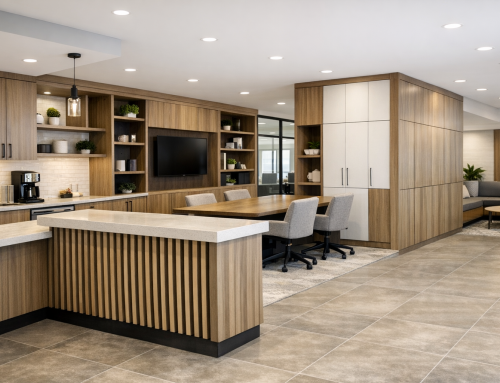
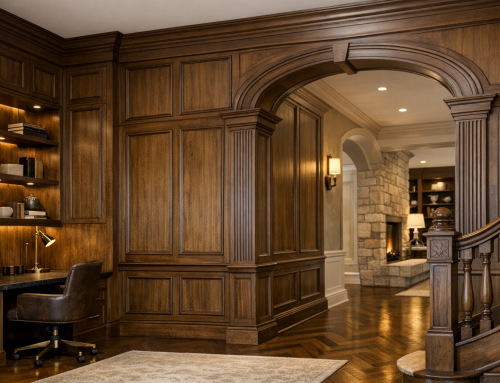
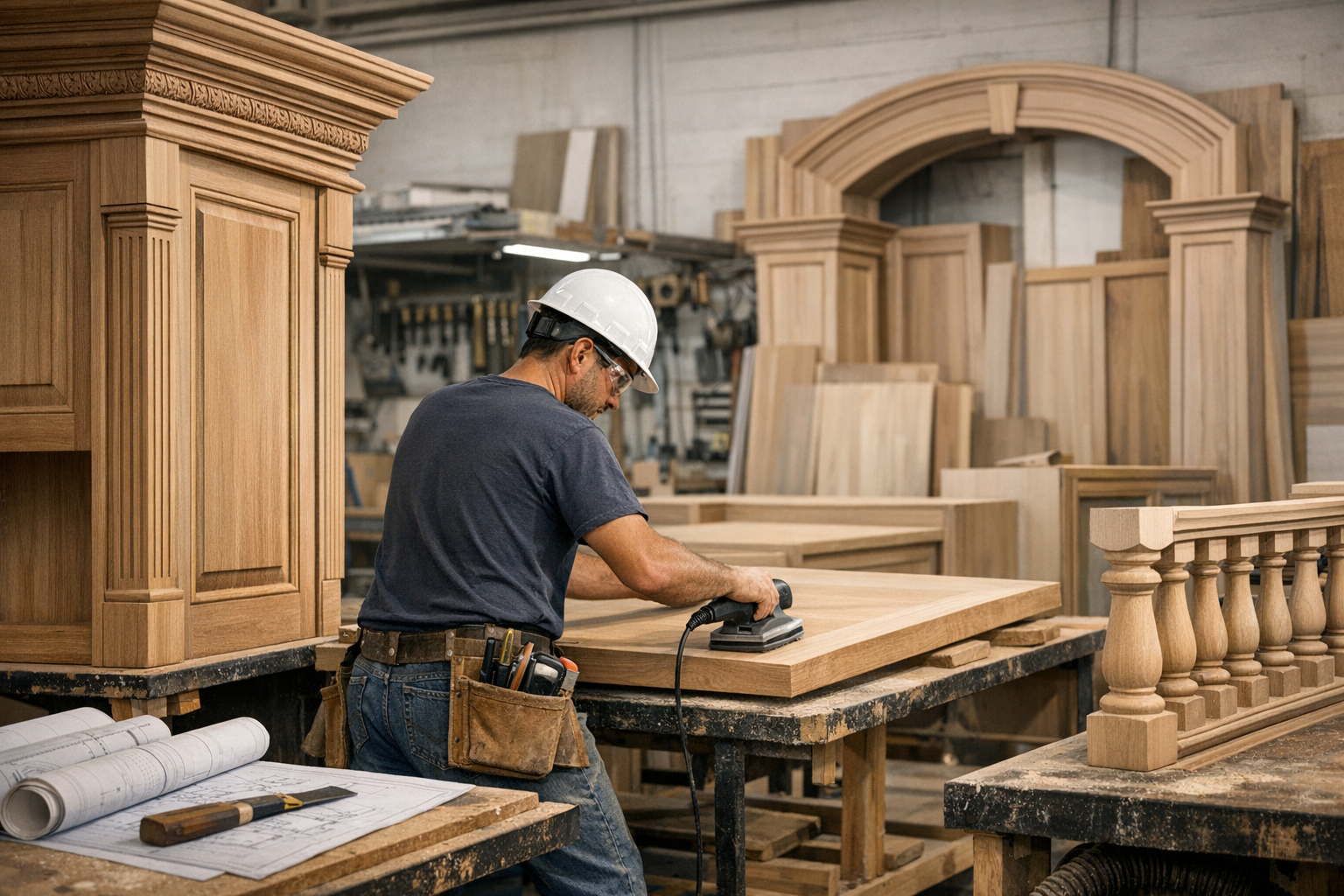
Architectural millwork contractors specialize in designing, fabricating, and installing custom woodwork and related interior finishes for buildings. Their work is what turns a plain interior into a polished, functional, and memorable space. From reception desks and wall paneling to custom cabinetry, trim, and built-ins, these professionals help bring architectural plans to life with precision-crafted details.
Unlike general carpentry, architectural millwork focuses on custom, high-end elements that must fit exact specifications. These contractors often work alongside architects, interior designers, general contractors, and property owners to ensure every piece aligns with the project’s style, performance requirements, and timeline. In commercial, hospitality, healthcare, education, and residential settings, millwork can define the overall look and feel of the space.
Services They Provide
Architectural millwork contractors offer a wide range of services that support both new construction and renovation projects. Their responsibilities may include design review, shop drawings, material sourcing, fabrication, finishing, delivery, and installation. Because these projects are highly customized, their work often begins long before anything is built.
Custom Design and Shop Drawings
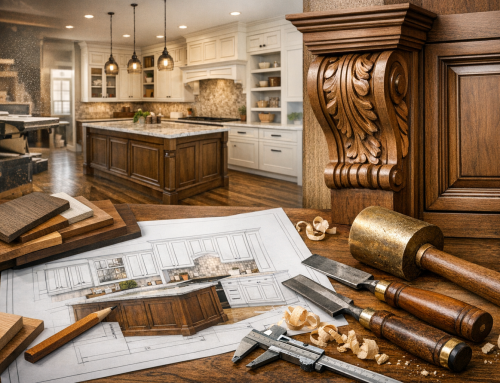
One of the first steps in a millwork project is translating design concepts into detailed shop drawings. These drawings show dimensions, materials, joinery, hardware, finishes, and installation details. They help all stakeholders confirm that the finished product will meet the design intent and fit seamlessly into the space.
Fabrication and Finishing
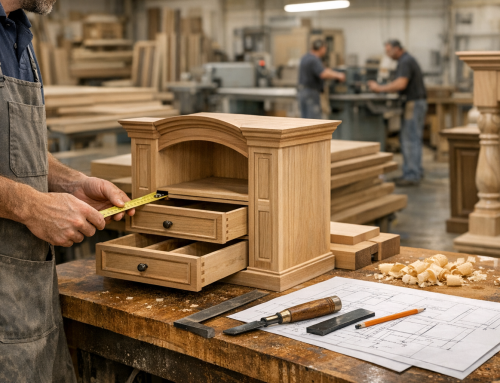
Once drawings are approved, the contractor fabricates the millwork in a controlled shop environment. This may involve cutting, shaping, assembling, veneering, laminating, sanding, and applying stain, paint, or protective coatings. Shop fabrication allows for better quality control and consistency than field-built work.
Installation and Coordination
Millwork installation requires accuracy, patience, and coordination with other trades. Contractors must account for walls, floors, ceilings, lighting, and mechanical systems to ensure a perfect fit. Proper installation is essential not only for appearance but also for long-term durability and performance.
How to Choose the Right Contractor
Choosing the right architectural millwork contractor can have a major impact on the success of your project. The best contractor will combine craftsmanship, technical expertise, project management, and clear communication. Since millwork is both aesthetic and functional, quality should never be left to guesswork.
Review Experience and Portfolio
Start by looking at the contractor’s past work. A strong portfolio should include projects similar in size, complexity, and style to yours. Whether you need hospitality casework, corporate interiors, or custom residential cabinetry, relevant experience is a strong sign that the contractor can deliver.
Check Capabilities and Resources
Not every millwork contractor offers the same services. Some handle design assist and fabrication only, while others also manage installation and finishing. Ask about equipment, shop capacity, in-house expertise, and scheduling flexibility. A well-equipped contractor is often better prepared to handle tight deadlines and complex custom details.
Evaluate Communication and Project Management
Strong communication is essential for keeping millwork projects on track. The right contractor should be responsive, transparent, and organized throughout the process. They should be able to explain lead times, material options, revisions, and installation requirements clearly so there are fewer surprises later.
Benefits of Hiring a Professional
Working with a professional architectural millwork contractor offers several important advantages. High-quality millwork enhances the look of a space, but it also improves usability, consistency, and long-term value. Professional contractors understand how to balance design goals with practical considerations such as durability, code requirements, and installation constraints.
Another major benefit is precision. Custom woodwork must often fit within unique site conditions, and even small measurement errors can cause delays or expensive rework. Experienced contractors know how to coordinate field measurements, fabricate accurately, and adjust for real-world conditions. Their expertise helps reduce risk and keep projects moving efficiently.
Professional contractors also bring access to better materials, finishes, and methods. They can recommend solutions based on expected wear, moisture exposure, cleaning needs, or budget limitations. In many cases, their guidance helps clients achieve a more refined result than off-the-shelf products would allow.
Questions to Ask Before Hiring
Before selecting an architectural millwork contractor, ask questions that help you understand their process and reliability. Good questions can reveal whether the contractor is a good fit for your project and expectations.
- Have you completed projects similar to ours?
- Do you provide shop drawings and design support?
- What materials and finishes do you recommend?
- How do you handle changes during fabrication?
- Will you manage installation as well as fabrication?
- What is your typical timeline from approval to completion?
Asking these questions early can help you compare contractors more effectively and avoid misunderstandings later in the project. It also gives you a better sense of how they handle collaboration and problem-solving.
Conclusion
Architectural millwork contractors play a vital role in shaping the character and quality of interior spaces. Their expertise brings together craftsmanship, technical accuracy, and project coordination to create custom features that elevate a building’s design. By choosing an experienced contractor and asking the right questions, you can improve the outcome of your project and ensure the finished work meets both your vision and your standards.