Residential Remodeling Contractors: How to Choose the Right Team for Your Home
Residential Remodeling Contractors: What They Do and Why They Matter
When homeowners decide it’s time to update a kitchen, modernize a bathroom, finish a basement, or rework an entire floor plan, residential remodeling contractors become the most important part of the process. These professionals manage the planning, coordination, labor, and problem-solving that turn a remodeling vision into a finished space. A skilled contractor does more than build; they help guide decisions, prevent costly mistakes, and keep the project moving smoothly from start to finish.
Residential remodeling projects often involve multiple trades, such as carpentry, plumbing, electrical work, painting, and flooring. Rather than hiring each trade separately, homeowners typically rely on a contractor to coordinate the work. This saves time, reduces confusion, and ensures that all parts of the project are completed in the correct order and according to code.
What Residential Remodeling Contractors Do
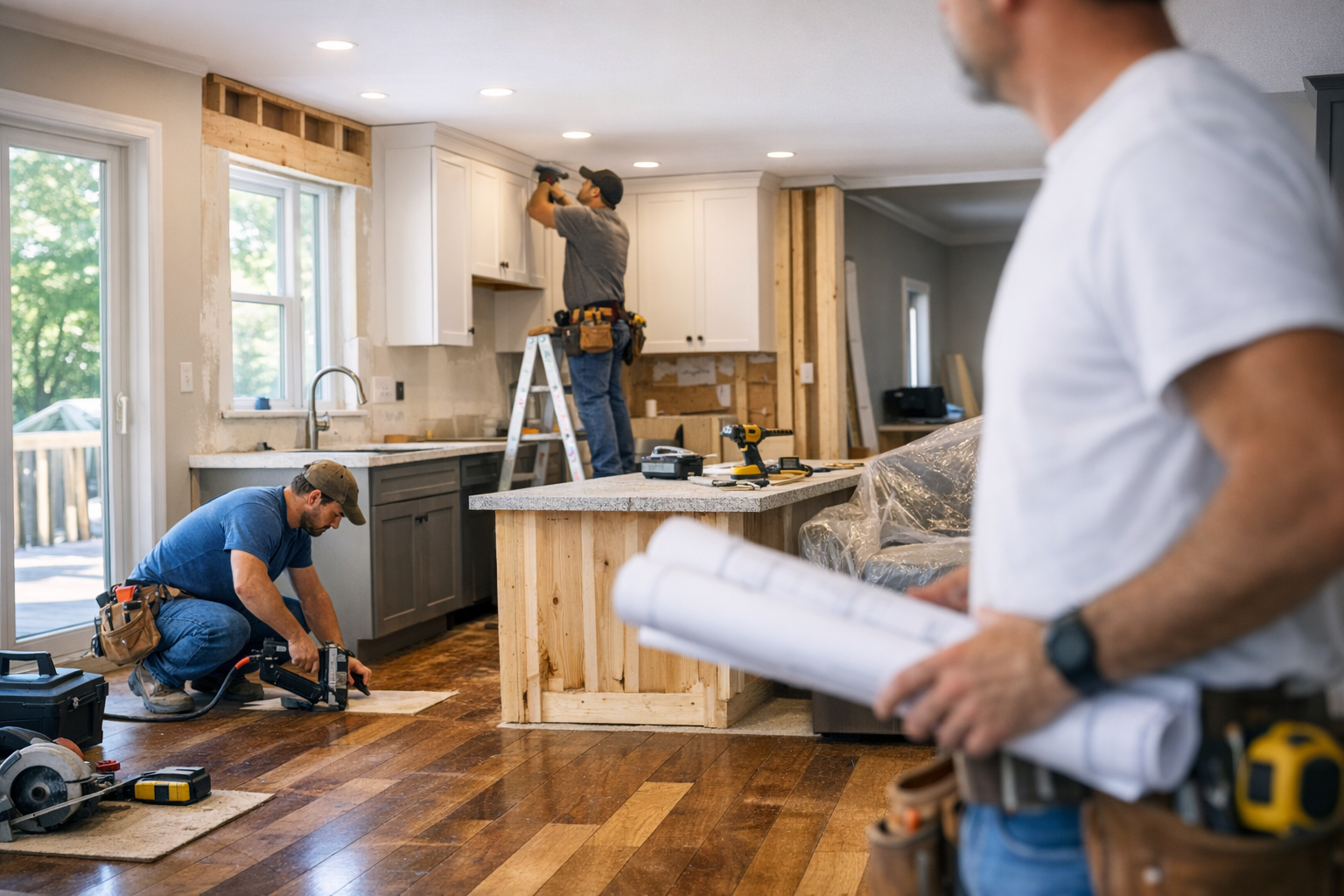
A residential remodeling contractor oversees the entire renovation process. Depending on the size and scope of the project, their responsibilities may include design consultation, budgeting, scheduling, material selection, permit management, subcontractor coordination, and quality control. They also serve as the main point of communication throughout the project, which helps homeowners stay informed and reduce stress.
For smaller projects, such as replacing cabinets or updating a guest bathroom, the contractor may work closely with a compact team. For larger renovations, such as whole-home remodels, they may coordinate architects, designers, engineers, and multiple crews. In both cases, their job is to keep the project organized and aligned with the homeowner’s goals.
Project Planning and Scope Definition
Before construction begins, a good contractor helps define the scope of work. This includes identifying what will be renovated, what materials will be used, and what timeline and budget are realistic. Clear planning is essential because remodeling projects often uncover surprises once walls are opened or old systems are exposed. A detailed plan helps reduce delays and makes it easier to adjust when unexpected issues come up.
Permits, Codes, and Compliance
Many home remodels require permits and inspections. Residential remodeling contractors are usually familiar with local building codes and can help ensure the project meets legal and safety requirements. This is especially important for electrical upgrades, plumbing changes, structural modifications, and additions. Working with a contractor who understands compliance can save homeowners from fines, failed inspections, and future repair issues.
Benefits of Hiring a Professional Remodeling Contractor
Hiring a professional contractor offers several advantages over trying to manage a renovation alone. One of the biggest benefits is expertise. Experienced contractors have seen a wide range of project types and challenges, which allows them to recommend practical solutions and avoid common setbacks. They also understand how to sequence tasks efficiently so the job can be completed with fewer delays.
Another key benefit is access to trusted subcontractors and suppliers. Established contractors often have long-term relationships with skilled tradespeople and vendors, which can improve workmanship and material availability. They may also be able to source better pricing through industry connections.
Just as important, a qualified remodeling contractor can help protect your investment. Poor workmanship, incorrect installation, or rushed planning can lead to expensive repairs later. A reliable contractor focuses on durability, functionality, and finish quality, helping ensure the remodel adds long-term value to the home.
How to Choose the Right Residential Remodeling Contractor
Choosing the right contractor is one of the most important decisions in any remodeling project. The best fit is not always the lowest price or the fastest timeline. Instead, homeowners should look for a contractor with the right combination of experience, communication, professionalism, and transparency.
Check Experience and Specialization
Not all remodeling contractors specialize in the same type of work. Some focus on kitchens and bathrooms, while others handle additions, whole-home renovations, or historic restorations. Look for a contractor whose experience matches the project you want to complete. A contractor who regularly handles similar remodels is more likely to anticipate challenges and deliver a smoother process.
Review Licenses, Insurance, and References
Always verify that the contractor is properly licensed and insured. This helps protect you if accidents, injuries, or property damage occur during the project. Ask for references and speak with past clients about their experience. Questions about communication, timeliness, cleanliness, and final results can provide valuable insight into what it’s like to work with the contractor.
Look at Portfolios and Past Projects
A portfolio can reveal a lot about a contractor’s craftsmanship and style. Review before-and-after photos, project galleries, and customer testimonials. If possible, ask whether you can see completed work in person. This gives you a better sense of the quality and attention to detail you can expect.
Ask About Communication and Project Management
Good communication can make or break a remodeling project. During your initial conversations, pay attention to how clearly the contractor explains the process, answers questions, and discusses potential challenges. Ask how updates will be shared, who your main contact will be, and how changes will be handled. A well-organized contractor should have a clear system for keeping the project on track.
Questions to Ask Before Hiring
Before signing a contract, ask a few important questions. What is included in the estimate? How long will the project take? Who will be working in your home each day? How are unexpected costs handled? What kind of warranty do they offer on labor or materials?
These questions help you compare contractors more effectively and identify potential red flags. A trustworthy contractor should be willing to answer clearly and put key details in writing. If something feels vague or rushed, that may be a sign to keep looking.
Understanding the Remodeling Contract
A detailed contract is essential for protecting both the homeowner and the contractor. The agreement should outline the project scope, payment schedule, estimated timeline, materials, change order process, and warranty terms. It should also clarify who is responsible for permits, cleanup, and disposal of debris.
Read the contract carefully before signing. If anything is unclear, ask for clarification. A thorough contract helps set expectations and reduces the chance of disputes later on. It also serves as a useful reference if questions come up during construction.
Common Mistakes Homeowners Should Avoid
One common mistake is choosing a contractor based only on price. An unusually low bid may leave out important details or indicate lower-quality workmanship. Another mistake is not checking references or credentials. Even a polished sales presentation should be backed by real experience and reliable results.
Homeowners should also avoid starting a remodel without a clear budget or project plan. Changes made midway through construction can increase costs and extend the timeline. Taking time to plan properly and select the right contractor can make the entire process far more manageable.
Conclusion
Residential remodeling contractors play a vital role in turning renovation ideas into finished spaces that are safe, functional, and attractive. By choosing a contractor with the right experience, communication style, and professionalism, homeowners can move forward with greater confidence and less stress. A well-managed remodeling project not only improves the home, but also enhances everyday living for years to come.