Full Home Renovation Services: What to Expect and How to Plan a Successful Remodel
What Full Home Renovation Services Include
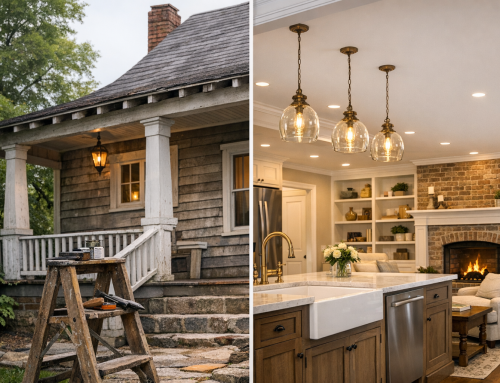
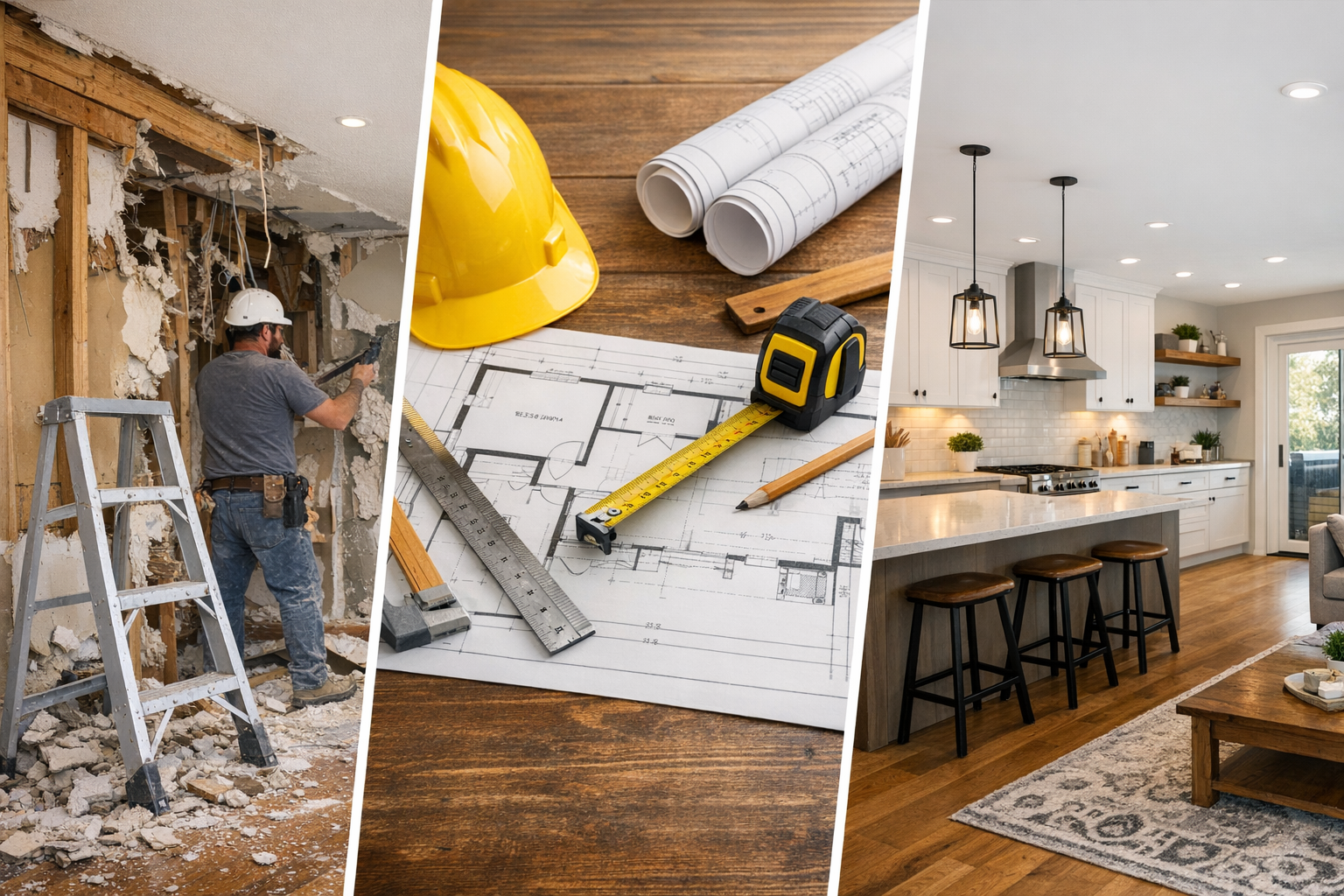
Full home renovation services are designed to transform an entire property, rather than updating a single room at a time. Depending on the age, condition, and goals for the home, a full renovation may include structural improvements, layout changes, electrical and plumbing upgrades, new flooring, kitchen and bathroom remodels, interior painting, insulation, windows, doors, and exterior updates. In many cases, the work is customized to improve both functionality and appearance.
These services are especially useful for older homes, newly purchased fixer-uppers, or properties that no longer fit your lifestyle. Instead of managing separate contractors for each part of the job, a full renovation typically brings everything together under one project plan. That means a more coordinated process, better communication, and a finished result that feels cohesive from room to room.
Benefits of Choosing a Full Renovation
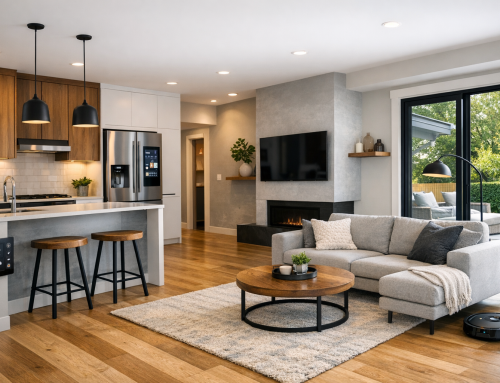
One of the biggest advantages of a full home renovation is the ability to reimagine the entire space at once. Rather than working around outdated layouts or mismatched finishes, homeowners can create a more modern, efficient, and comfortable living environment. A full renovation also helps ensure that updates are consistent throughout the home, which can make the property feel larger, brighter, and more valuable.
Another major benefit is long-term cost efficiency. While a complete renovation is a significant investment, it can prevent the need for repeated repairs and piecemeal upgrades over time. Addressing problems such as old wiring, plumbing issues, poor insulation, or worn-out materials during one project can reduce future disruptions and expenses. For many homeowners, it also provides peace of mind knowing the home is being improved from the inside out.
Full renovation services can also increase resale appeal. Buyers often prefer homes that are move-in ready and updated with modern materials and layouts. Even if you are not planning to sell soon, a well-executed renovation can improve everyday life and support your property’s long-term value.
How to Plan a Full Home Renovation
Planning is one of the most important parts of any renovation project. Before work begins, start by identifying your goals. Do you want to improve functionality, update the style, add space, or repair structural concerns? Clear goals help guide design decisions and make it easier to prioritize where the budget should go.
Next, take time to assess the home’s current condition. A professional inspection can reveal hidden issues such as water damage, outdated electrical systems, foundation problems, or ventilation concerns. These findings often affect the timeline and budget, so it is better to uncover them early rather than during construction.
It is also smart to establish a realistic budget with a contingency fund. Full home renovations often involve unexpected expenses, especially in older properties. A cushion of 10 to 20 percent can help cover unforeseen repairs without derailing the project. From there, work with your renovation team to create a clear scope of work, schedule, and materials list so everyone understands what is included.
Setting Priorities
When renovating an entire home, not everything can be addressed at once with equal emphasis. It helps to separate must-have upgrades from nice-to-have features. Structural repairs, safety improvements, and essential systems should always come first. Once those needs are covered, you can focus on design upgrades such as cabinetry, lighting, trim, and finishes.
Prioritizing also helps with budgeting. If costs begin to rise, you can make informed decisions about which elements to keep and which can be scaled back or postponed. A good renovation plan should balance practicality with style, making sure the biggest investments support both comfort and long-term durability.
Choosing the Right Renovation Contractor
The success of a full home renovation often depends on the contractor you choose. Look for a team with experience handling complete remodels, not just isolated projects. Full renovations require strong project management skills, scheduling coordination, and the ability to work across multiple trades. A contractor with the right background can help prevent delays and keep the project moving smoothly.
It is a good idea to review portfolios, check references, and ask about licensing and insurance before making a decision. During initial consultations, pay attention to how clearly the contractor communicates. They should be able to explain the process, discuss possible challenges, and provide a detailed estimate. Transparency is key, especially when multiple phases and subcontractors are involved.
You should also ask how progress will be tracked and how updates will be shared. Regular communication can make a major difference during a renovation, particularly if plans need to change along the way. A reliable contractor will keep you informed and help you make confident decisions throughout the project.
What to Expect During the Renovation Process
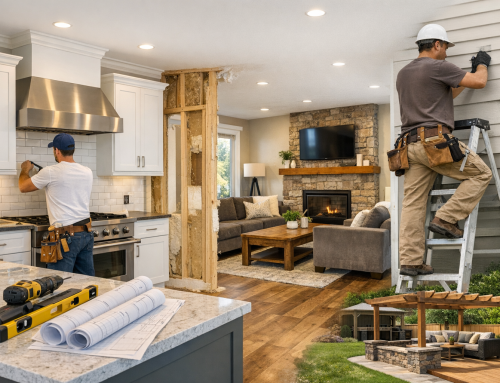
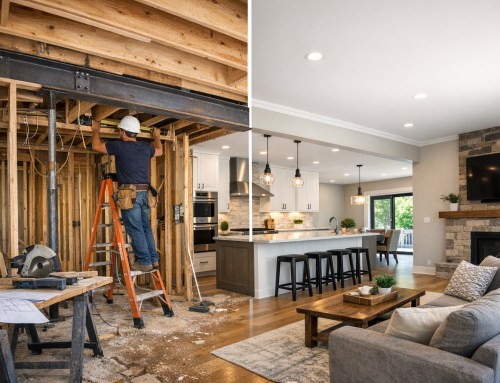
Once the project begins, the process typically starts with demolition and preparation. Walls, flooring, fixtures, or outdated materials may be removed to make way for new construction. After that, the work often moves into structural, mechanical, and systems upgrades, including framing, electrical, plumbing, HVAC, and insulation.
After the hidden work is completed and inspected, the project moves into the finishing stage. This is when drywall, paint, tile, cabinetry, countertops, flooring, and trim are installed. Finishing touches bring the renovation together and define the final look of the home. Depending on the size of the project, this stage can take several weeks or longer.
Homeowners should also prepare for some disruption during construction. Parts of the house may be inaccessible, and noise, dust, and schedule changes are common. If you are living in the home during renovation, it helps to create a temporary setup for essentials like cooking, bathing, and storage. A well-organized contractor will work to minimize inconvenience, but a full renovation always requires some flexibility.
Maximizing Value from Your Renovation
To get the most from full home renovation services, focus on improvements that combine style, function, and durability. High-traffic areas such as kitchens, bathrooms, living spaces, and entryways usually offer strong returns because they affect both daily comfort and overall home appeal. Energy-efficient upgrades, such as better windows, insulation, and appliances, can also add long-term value by reducing utility costs.
Material selection matters as well. Choosing quality finishes that fit your budget can help the home look polished without creating maintenance headaches. Neutral palettes, timeless fixtures, and well-planned storage are often smart investments because they support a broad range of design preferences. The goal is not only to make the home look better today, but to ensure it performs well for years to come.
Finally, keep documentation of the work completed, including permits, warranties, and product information. This can be helpful for future maintenance and may also add value if you decide to sell the property later.
Conclusion
Full home renovation services offer a powerful way to improve comfort, function, and value all at once. With careful planning, the right contractor, and a clear vision for your goals, a whole-home remodel can turn an outdated property into a space that truly fits your lifestyle.