Aging in Place Remodeling Services: Make Your Home Safer, Smarter, and More Comfortable
What Are Aging in Place Remodeling Services?
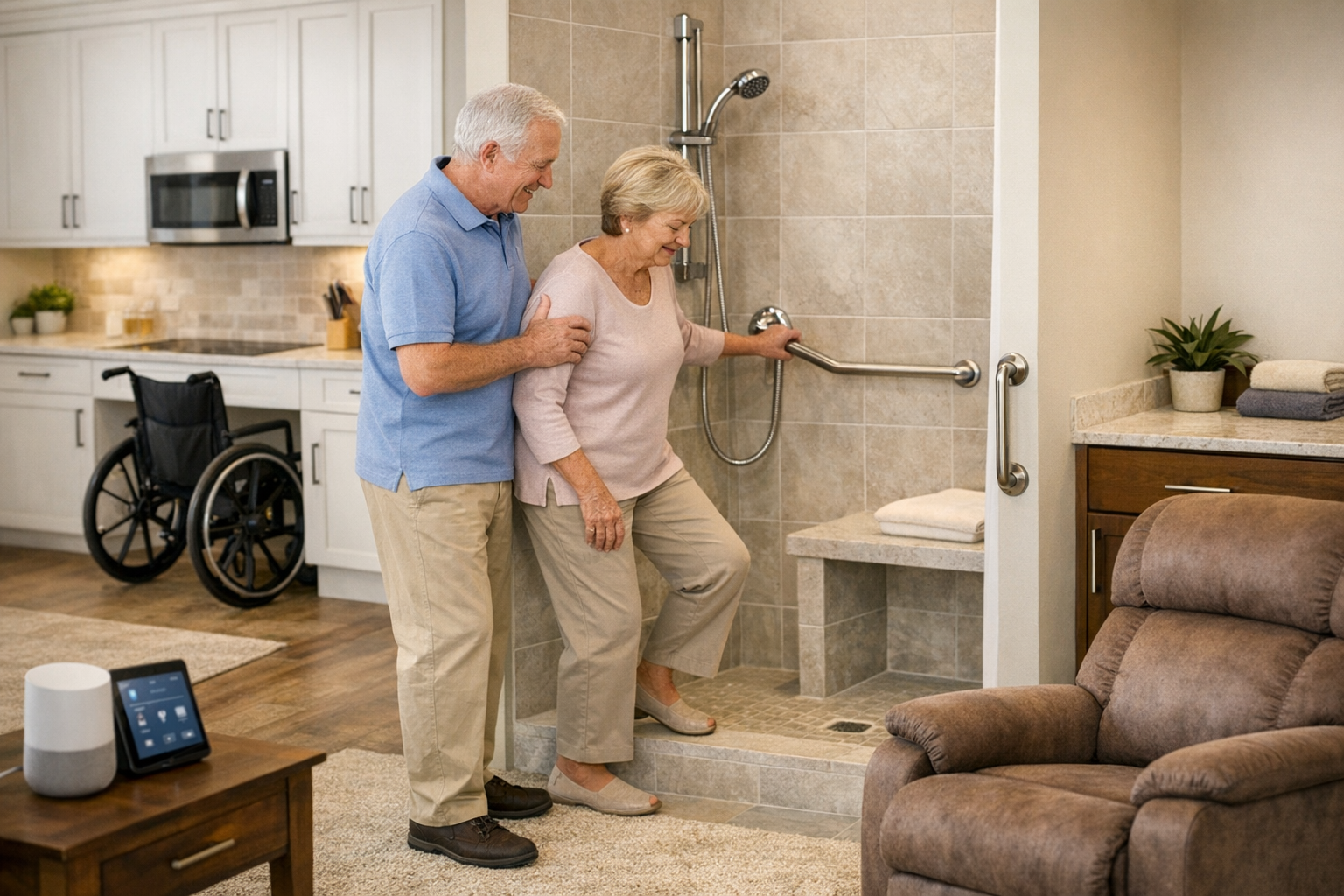
Aging in place remodeling services are home modifications designed to help older adults live safely and independently in the homes they already know and love. Instead of moving to an assisted living community or downsizing before they are ready, homeowners can adapt their current spaces to better fit changing mobility, vision, and accessibility needs.
These projects can range from simple updates, like installing brighter lighting and handrails, to more extensive renovations such as adding a curbless shower, widening doorways, or creating a first-floor primary suite. The goal is to reduce fall risks, improve comfort, and make everyday routines easier without sacrificing the style of the home.
Why Aging in Place Remodeling Matters
Most people want to remain in their homes as they grow older. Familiar neighborhoods, routines, and memories all contribute to quality of life. However, a home that once felt perfectly functional may become difficult to navigate over time. Stairs, slippery floors, narrow hallways, and hard-to-reach storage can all create obstacles.
Thoughtful remodeling helps address these challenges before they become serious problems. It can also provide peace of mind for family members who want to know their loved one is living in a safer environment. In many cases, planning ahead is the most effective way to avoid rushed renovations after an injury or health change.
Common Aging in Place Remodeling Projects
Every home and homeowner is different, but certain improvements are especially common in aging in place remodeling. The right combination depends on current needs, future goals, and the layout of the home.
Bathroom Upgrades
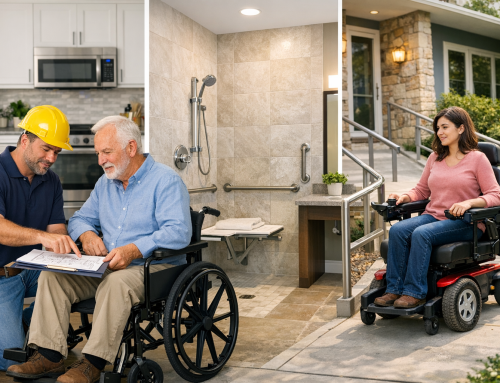
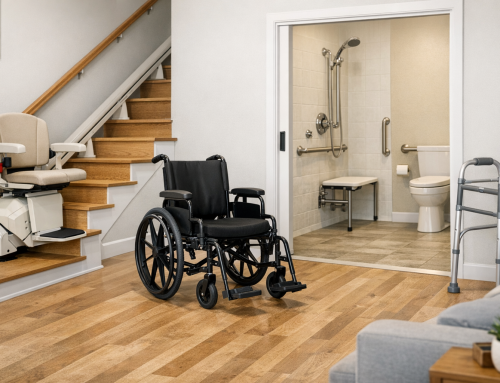
Bathrooms are one of the most important spaces to improve because they are also one of the most common places for slips and falls. Popular upgrades include walk-in or curbless showers, grab bars, non-slip flooring, comfort-height toilets, handheld showerheads, and built-in shower seating. Better lighting and wider entryways can also make the room easier to use.
Kitchen Modifications
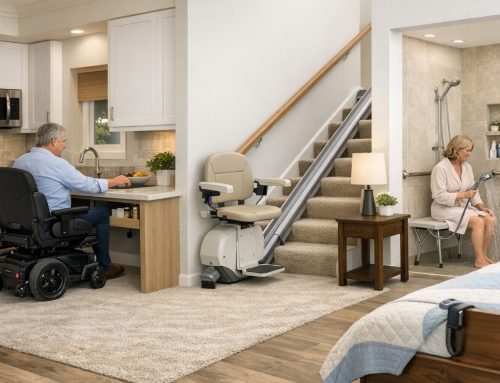
Kitchens should support both safety and independence. Aging in place remodeling may include lowering countertops, installing pull-out shelves, adding easy-grip hardware, improving task lighting, and placing frequently used items within easy reach. Lever-style faucet handles and side-opening wall ovens can also make daily tasks simpler.
Entryway and Accessibility Improvements
Getting in and out of the home should be straightforward. Ramps, low-threshold entrances, wider doors, and improved exterior lighting all help reduce barriers. If steps are unavoidable, sturdy railings and contrasting step edges can improve safety.
Flooring and Lighting Updates
Uneven transitions, thick rugs, and glare can all create hazards. Remodeling may involve replacing flooring with a smoother, slip-resistant surface and upgrading lighting throughout the home. Bright, even illumination is especially important in hallways, staircases, and bathrooms.
Bedroom and Living Area Changes
Comfortable living often depends on how easy it is to move through the main rooms of the home. Common updates include creating a main-level bedroom, installing closet organizers, improving storage access, and ensuring there is enough room for mobility aids if needed. Open pathways and furniture placement also matter more than many homeowners realize.
Key Features to Consider in an Aging in Place Plan
Successful remodeling is about more than just adding a few helpful fixtures. It should support long-term independence. When planning a project, it helps to think about both current and future needs.
Some important features to consider include:
- Single-level living or main-floor essentials
- Wide, unobstructed pathways
- Low-maintenance materials
- Easy-to-operate doors, faucets, and cabinet hardware
- Non-slip surfaces in high-traffic and wet areas
- Ample lighting and motion-activated options
- Bathroom safety features such as grab bars and shower seating
Accessible design does not have to look clinical. Today’s remodeling solutions can blend seamlessly with the style of the home, offering both beauty and practicality.
How to Choose the Right Remodeling Contractor
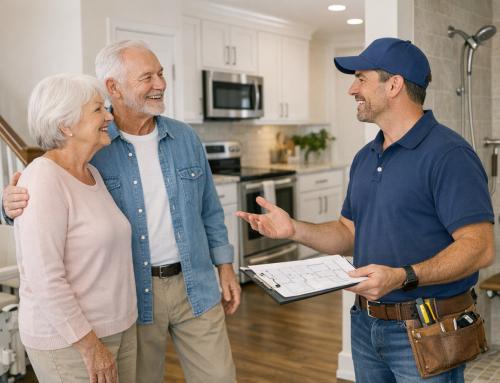
Because aging in place remodeling affects both safety and quality of life, it is important to work with a contractor who understands accessibility best practices. Look for a team with experience in universal design, bathroom safety, and home modifications for aging adults. A good contractor should ask about your daily routines, mobility concerns, and long-term goals before suggesting solutions.
During the consultation, ask about licensing, insurance, past projects, timelines, and how the contractor handles changes during construction. It is also smart to request references or photos of completed work. The best professionals will focus on creating a plan that is functional, attractive, and tailored to your home.
Planning Ahead Saves Time, Stress, and Money
One of the biggest advantages of aging in place remodeling services is the ability to plan proactively. Rather than waiting for an emergency, homeowners can make improvements gradually and thoughtfully. This often leads to better design choices, fewer rushed decisions, and a smoother renovation process overall.
Planning ahead also gives families time to prioritize projects based on budget and urgency. For some homes, the bathroom may be the first step. For others, improving entry access or creating a main-floor bedroom may take priority. A phased approach can make the process more manageable while still moving toward a safer home.
Conclusion
Aging in place remodeling services help homeowners stay safe, comfortable, and independent in the place they know best. With the right upgrades, a home can support changing needs without losing its warmth or character. Whether you are planning for yourself or helping a loved one prepare for the future, thoughtful remodeling is an investment in both peace of mind and quality of life.