Post-Disaster Home Reconstruction: A Practical Guide to Rebuilding Safely and Smartly
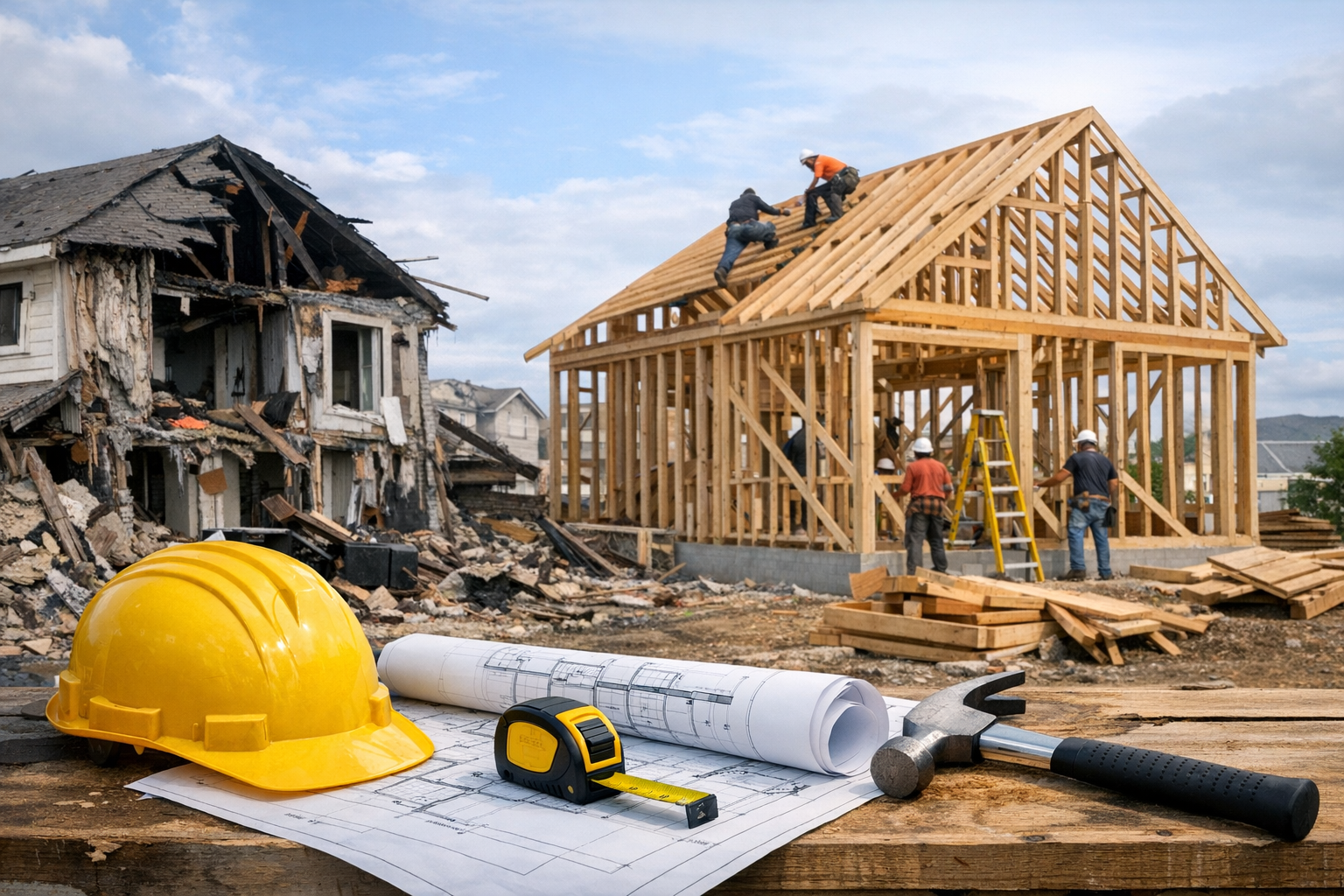
Understanding the Reconstruction Process
Post-disaster home reconstruction is more than repairing visible damage. It is a step-by-step process of assessing structural issues, meeting code requirements, coordinating insurance claims, and making decisions that affect your home’s safety and long-term value. Whether the damage came from fire, flood, wind, earthquake, or another disaster, the goal is the same: rebuild a home that is safe, stable, and ready to support daily life again.
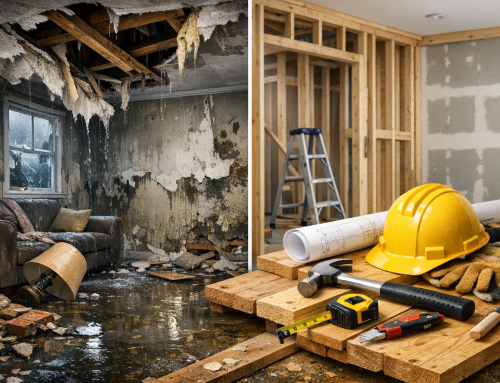
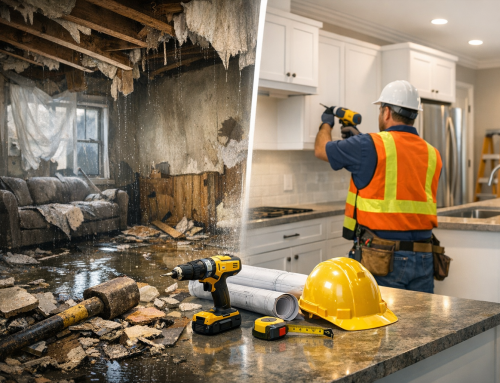
The process can feel overwhelming at first, especially when emotions are high and timelines are uncertain. A clear plan helps you move forward with confidence. In most cases, reconstruction begins with an inspection, followed by documentation, permits, cleanup, demolition if needed, repairs, and final finishing work. Each stage matters, and skipping a step can create problems later.
Assessing the Damage
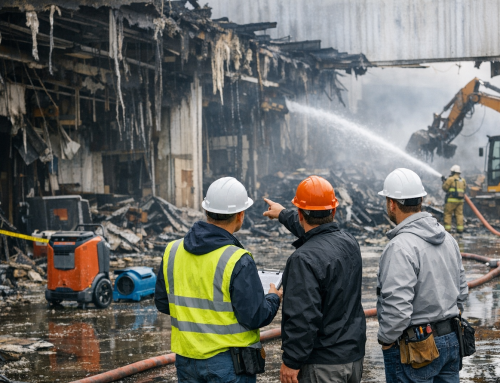
The first priority is determining whether the home is safe to enter and what parts can be salvaged. In many situations, a licensed structural engineer, contractor, or disaster recovery specialist should inspect the property. They can identify hidden hazards such as weakened framing, mold growth, electrical damage, compromised foundations, or contaminated materials.
Take photos and videos of everything before cleanup begins. Create a detailed inventory of damaged items and structural issues. This documentation is essential for insurance claims and can also help contractors estimate repair costs accurately. If the disaster involved flooding or fire, look for secondary damage such as swelling wood, soot infiltration, rust, or lingering moisture.
Prioritizing Safety and Compliance
Safety should guide every reconstruction decision. Before repairs start, utilities may need to be shut off, debris removed, and hazardous materials handled by licensed professionals. Older homes may also contain asbestos, lead-based paint, or outdated wiring that must be addressed during reconstruction.
Local building codes often change after major disasters, and many communities require rebuilt homes to meet updated standards. This can affect everything from electrical systems and roofing materials to elevation requirements in flood-prone areas. Although code compliance may add time and cost, it improves resilience and reduces the risk of future damage.
Planning for Reconstruction
A successful rebuild starts with a clear plan. Homeowners should determine which parts of the house must be restored exactly as they were and which areas offer an opportunity to improve durability, layout, or energy efficiency. This is also the time to set priorities based on budget, timeline, and family needs.
Working with Insurance and Contractors
Insurance claims are often one of the most complex parts of post-disaster home reconstruction. Review your policy carefully, including coverage limits, exclusions, deductibles, and requirements for temporary housing or additional living expenses. Keep records of all conversations with your insurer, and submit estimates, receipts, and photos promptly.
Choosing the right contractor is equally important. Look for professionals with disaster recovery experience, proper licensing, and strong references. Ask for a written scope of work, timeline, payment schedule, and warranty information. If the damage is extensive, consider hiring a public adjuster, construction manager, or project consultant to help protect your interests and coordinate the rebuild.
Creating a Realistic Budget
Reconstruction costs can rise quickly due to material shortages, permit delays, hidden damage, or changes required by code. Build a budget that includes direct repairs, design fees, temporary housing, debris removal, and a contingency fund for unexpected issues. A reasonable buffer can prevent small surprises from becoming major setbacks.
It is also wise to compare the cost of restoring the home exactly as it was versus upgrading key systems during reconstruction. For example, replacing damaged insulation, windows, roofing, or HVAC components may increase upfront costs but reduce future maintenance and utility expenses. In many cases, rebuilding is the best time to improve the home’s resilience.
Rebuilding with Resilience in Mind
One of the biggest advantages of reconstruction is the opportunity to make your home more resistant to future disasters. Instead of simply replacing what was lost, homeowners can choose materials and design features that better protect the property and the people inside it.
Choosing Durable Materials
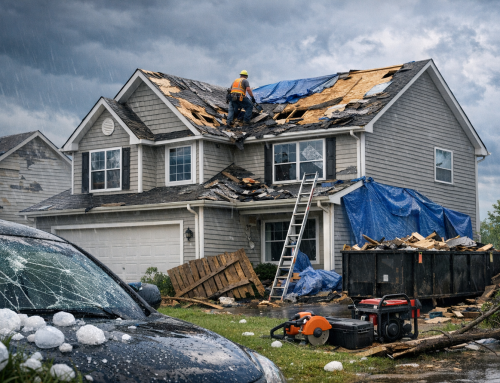
Durable materials can make a major difference after a fire, flood, hurricane, or earthquake. Impact-resistant roofing, water-resistant wall assemblies, reinforced framing, storm-rated windows, and fire-resistant siding are just a few examples of upgrades that can strengthen a home. In flood-prone areas, elevating critical systems such as electrical panels and HVAC equipment can reduce future losses.
Interior finishes matter too. Tile, sealed concrete, fiber-cement products, and mold-resistant drywall may be better choices in high-risk environments. The best materials depend on the specific hazard, climate, and budget, but the general principle is the same: rebuild smarter, not just faster.
Improving Energy Efficiency and Comfort
Post-disaster reconstruction also creates a chance to improve comfort and reduce utility costs. Better insulation, high-performance windows, efficient appliances, and upgraded HVAC systems can make the home healthier and more affordable to operate. These improvements can be especially valuable if the home was already due for renovation before the disaster occurred.
Thoughtful layout changes may also help. Families sometimes use reconstruction to improve storage, accessibility, natural light, or room flow. When combined with resilient materials, these upgrades can turn a stressful event into an opportunity for long-term improvement.
Moving Forward After Reconstruction
Once the major work is complete, the final phase includes inspections, punch-list corrections, cleaning, and a careful review of all completed repairs. Before making final payments, confirm that the work matches the contract and that required permits have been closed. Keep copies of warranties, manuals, photos, and contractor contact information for future reference.
Recovery does not end when construction ends. It takes time to settle back into a rebuilt home, especially after a traumatic event. Stay patient with the process and give yourself space to adjust. A well-planned reconstruction can restore more than a house; it can restore a sense of security and normalcy.
Post-disaster home reconstruction is challenging, but it can also be a chance to build back better. With the right planning, trusted professionals, and a focus on safety and resilience, homeowners can create a stronger home ready for the future.