Insurance Restoration Buildback Services: What They Are and Why They Matter
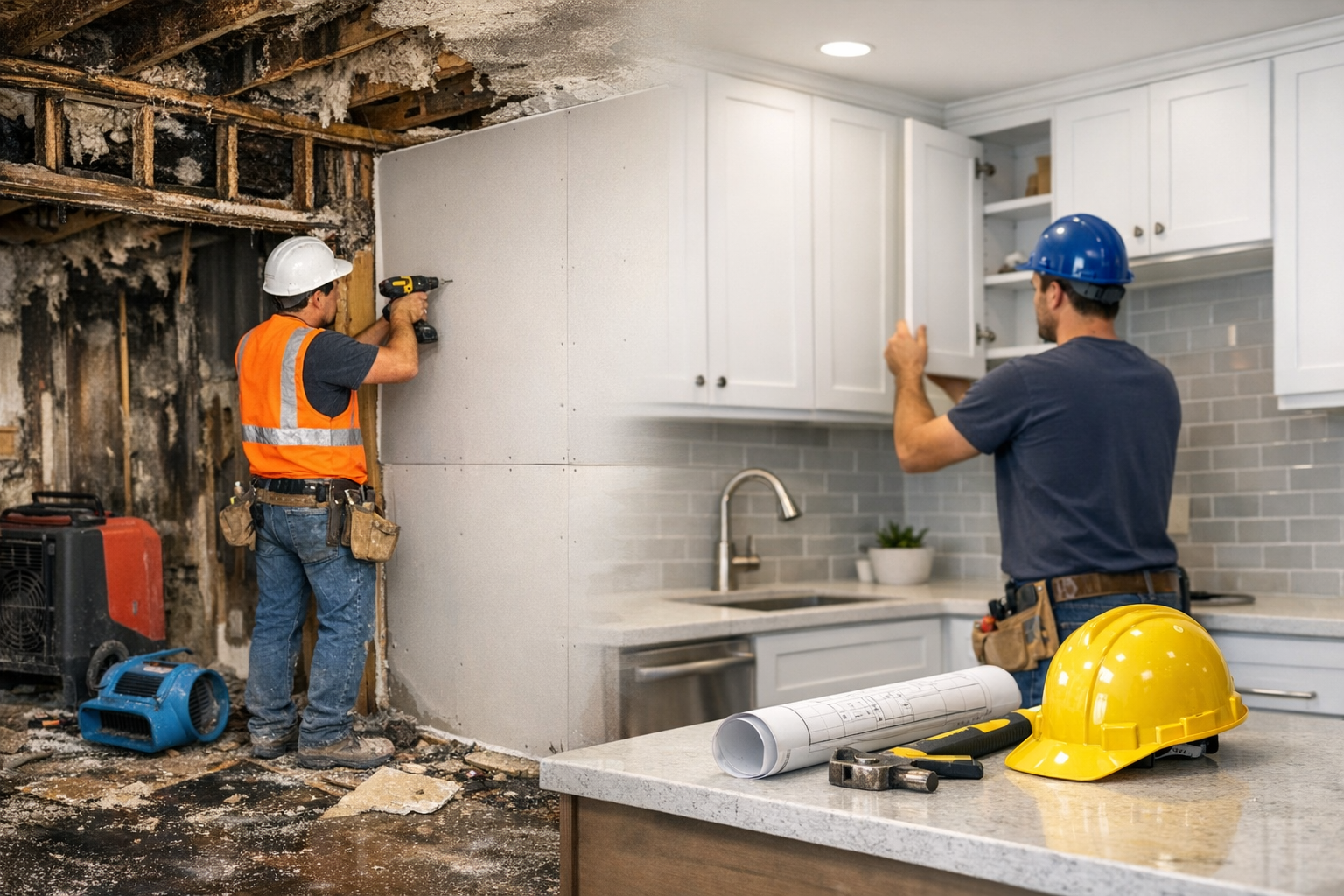
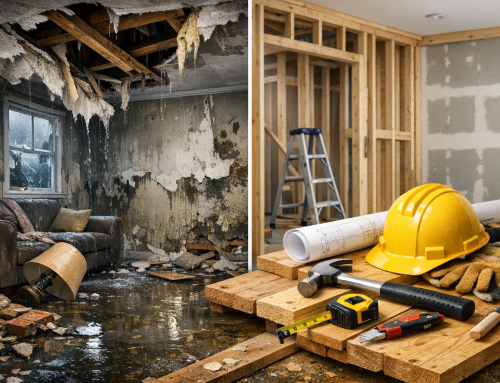
When property damage happens, the recovery process does not end once the water is extracted, smoke is cleared, or debris is removed. In many cases, the final and most important step is insurance restoration buildback services—the work that brings a damaged home or business back to its pre-loss condition.
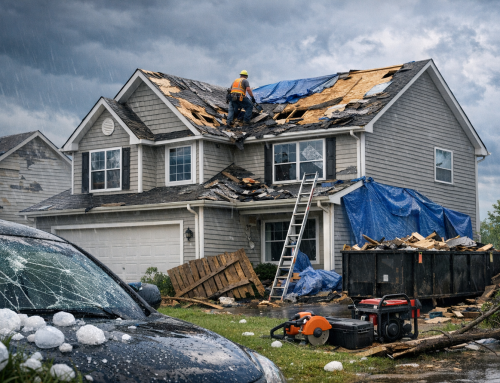
Whether the damage came from a fire, flood, storm, or other disaster, buildback services help restore structure, function, and appearance. For property owners dealing with an insurance claim, understanding how buildback works can make the entire restoration process smoother and less stressful.
What Are Insurance Restoration Buildback Services?
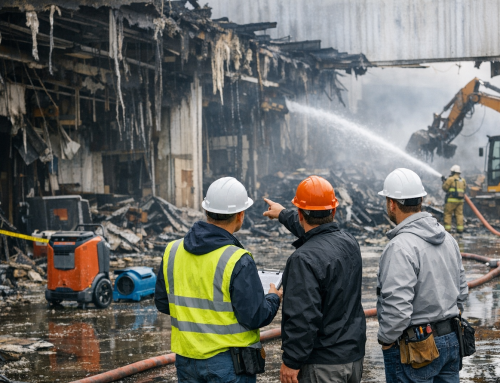
Insurance restoration buildback services refer to the reconstruction and repair work completed after mitigation services are finished. Mitigation focuses on stopping further damage, such as drying out water, removing soot, or boarding up openings. Buildback begins once the property is safe and ready for rebuilding.
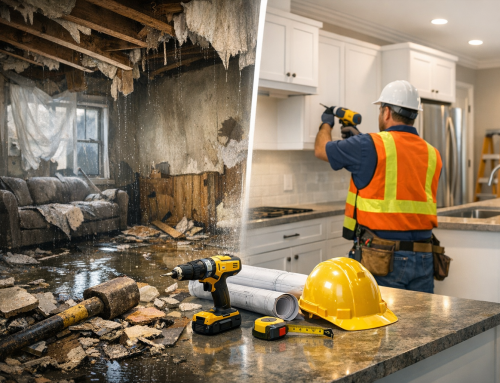
This stage can include minor repairs or major reconstruction depending on the extent of the damage. Common buildback tasks include replacing drywall, flooring, cabinets, trim, insulation, paint, roofing, and other structural or cosmetic elements affected by the loss.
In short, buildback is the process that takes a property from “damaged” back to “livable” or “operational.”
Why Buildback Services Are Important
Buildback services are essential because restoration is not complete until the property is fully repaired. Even after water is dried or fire debris is removed, a building may still be unsafe, incomplete, or difficult to use.
Professional buildback helps with:
- Restoring function so the property can be occupied or used again
- Protecting long-term value by repairing hidden and visible damage properly
- Improving safety by addressing compromised materials and structural issues
- Reducing disruption through a coordinated repair process
- Supporting insurance claims with documentation and scope details
For homeowners, this means getting back to normal more quickly. For business owners, it means reducing downtime and reopening sooner.
What Does the Buildback Process Include?
Every project is different, but most insurance restoration buildback services follow a similar sequence. Understanding the process can help property owners know what to expect.
1. Inspection and Scope of Work
The buildback process usually starts with a detailed inspection. The contractor reviews what was damaged, what was removed during mitigation, and what must be rebuilt. A scope of work is then created to outline labor, materials, timelines, and necessary repairs.
This step is especially important for insurance claims because the scope helps support the estimate submitted to the carrier.
2. Planning and Coordination
Once the scope is approved, the restoration team coordinates the rebuild. This may involve ordering materials, scheduling trades, and aligning the work with insurance requirements. If permits are needed, they are typically handled during this phase as well.
Good coordination matters because buildback often involves multiple professionals, such as carpenters, electricians, plumbers, painters, and flooring installers.
3. Demolition and Removal of Damaged Materials
Some projects require additional demolition before reconstruction can begin. This may include removing unsalvageable drywall, flooring, insulation, or other damaged components that were not already taken out during mitigation.
The goal is to create a clean and stable foundation for the rebuild.
4. Reconstruction and Repair
This is the core of buildback services. Crews repair or replace the damaged parts of the property, which may involve framing, drywall installation, painting, flooring, cabinetry, finish carpentry, and more. In larger projects, structural repairs may also be required.
The best buildback teams aim to restore the property so the finished result blends seamlessly with the undamaged areas.
5. Final Walkthrough and Quality Check
Before the project is considered complete, a final walkthrough is usually performed. This allows the contractor and property owner to review the work, confirm that everything matches the agreed scope, and address any remaining details.
A thorough quality check helps ensure the restoration is complete and meets expectations.
How Buildback Services Work With Insurance Claims
One of the biggest advantages of hiring a company that offers insurance restoration buildback services is the ability to coordinate directly with the claims process. Insurance claims often involve documentation, estimates, supplemental requests, and adjuster communication. A knowledgeable restoration contractor can help keep things organized.
In many cases, the contractor will document the damage, prepare an estimate, and communicate with the insurance adjuster regarding the needed repairs. If additional damage is discovered during reconstruction, they may also provide supplemental information to support the claim.
This coordination can save time and reduce misunderstandings. It also helps ensure the property owner receives the repairs needed to fully restore the space, not just a partial fix.
Choosing the Right Buildback Contractor
Not all contractors specialize in insurance-related restoration. When choosing a buildback provider, look for experience with claims, reconstruction, and post-loss repairs.
Helpful qualities to look for include:
- Experience with insurance restoration projects
- Clear communication and detailed estimates
- Proper licensing and insurance
- Strong craftsmanship across multiple trades
- Ability to manage timelines and coordinate with adjusters
It is also wise to choose a contractor who can handle both mitigation and buildback. A single team managing the entire process often creates a smoother experience and reduces the chance of delays or miscommunication.
Benefits of Working With a Full-Service Restoration Team
Full-service restoration teams offer a major advantage: they manage the project from damage response through final repair. This continuity can be especially valuable after stressful events like fires or floods.
Benefits include:
- Faster project completion because one team manages the workflow
- Better communication between mitigation, estimating, and reconstruction
- More accurate repair planning based on the actual damage
- Less burden on the property owner during an already difficult time
When the same company handles cleanup and rebuild, the transition from emergency response to reconstruction is often much smoother.
Conclusion
Insurance restoration buildback services are the final step in returning a damaged property to its original condition. From planning and demolition to reconstruction and insurance coordination, buildback plays a critical role in completing the restoration process.
For property owners, working with an experienced restoration team can make the difference between a stressful, drawn-out repair and a smooth path back to normal.