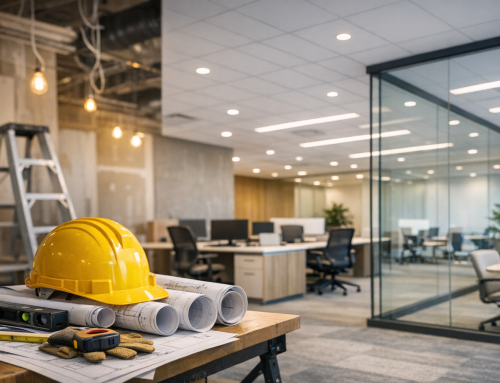
A Practical Guide to Tenant Finish Construction Services

Tenant finish construction services play a major role in transforming a blank or outdated commercial space into a functional, attractive environment that supports a business’s daily operations. Whether you are opening a new office, restaurant, retail store, medical practice, or professional suite, tenant finish work helps tailor the property to your brand, workflow, and customer experience.
For many tenants, the challenge is not just finding the right location, but adapting it to fit specific needs. That is where tenant finish construction comes in. It bridges the gap between a raw leased space and a space that is ready for business.
What Are Tenant Finish Construction Services?
Tenant finish construction services refer to the build-out work completed inside a commercial space to make it usable for a specific tenant. This may include everything from framing and drywall to flooring, lighting, plumbing, HVAC adjustments, custom millwork, and final finishes.
These services are often required when a tenant leases a shell space, a former occupant’s suite, or a property that needs to be reconfigured for a new use. The goal is to create a space that aligns with the tenant’s operational needs while meeting building codes, lease requirements, and design expectations.
Common Types of Tenant Finish Projects
Tenant finish projects vary widely depending on the industry and the condition of the space. Common examples include:
- Office build-outs for private offices, conference rooms, and open work areas
- Retail finishes for display areas, checkout counters, and fitting rooms
- Restaurant and cafe build-outs for kitchens, dining areas, and restrooms
- Medical and dental suites with specialized treatment rooms and compliance features
- Warehouses and light industrial spaces with office inserts and support areas
Why Tenant Finish Construction Matters
A commercial property may have strong location, visibility, and square footage, but without the right interior layout, it may not function efficiently. Tenant finish construction is what makes a space practical for the business that will occupy it.
Well-planned tenant finish work can improve productivity, strengthen branding, enhance customer experience, and help businesses launch faster. It also gives tenants more control over how their space looks and operates, which can be critical for long-term success.
Benefits for Tenants
- Customized layout: The space is designed around the business, not the other way around.
- Better efficiency: Proper planning can improve workflow and reduce wasted space.
- Brand alignment: Interior finishes can reflect the company’s image and values.
- Code compliance: Professional construction helps ensure the space meets local regulations.
- Move-in readiness: A completed build-out helps businesses open on schedule.
Benefits for Property Owners
- Higher tenant appeal: Finished spaces attract more qualified tenants.
- Increased property value: Improvements can make the asset more competitive.
- Faster leasing: A well-executed build-out can shorten vacancy periods.
- Long-term stability: Happy tenants are more likely to renew leases.
The Tenant Finish Construction Process
While every project is different, most tenant finish construction services follow a similar process. Clear communication and careful coordination are essential from start to finish.
1. Initial Planning and Space Evaluation
The process usually begins with an assessment of the space and the tenant’s goals. During this phase, the contractor, architect, designer, and tenant review the existing conditions, lease requirements, budget, and timeline. This stage helps identify any limitations, such as structural constraints, code issues, or utility upgrades.
2. Design and Layout Development
Next, the team develops drawings and plans that define the space’s layout and finishes. This may include room placement, circulation paths, material selections, lighting plans, and accessibility considerations. In many projects, this stage also involves coordination with the landlord or property manager for approvals.
3. Permitting and Approvals
Commercial tenant finish work often requires permits before construction can begin. Depending on the project, permits may be needed for electrical, mechanical, plumbing, fire protection, or structural work. A knowledgeable contractor helps navigate this process and avoid delays.
4. Construction and Installation
Once approvals are in place, the build-out begins. This phase can include demolition, framing, drywall, painting, flooring, ceiling installation, lighting, cabinetry, mechanical work, and fixture installation. Strong project management is important here to keep work on schedule and minimize disruption.
5. Final Walkthrough and Punch List
Before turnover, the contractor completes a final walkthrough to identify any remaining items that need attention. These punch list items are addressed before the tenant moves in. The result should be a finished space that is safe, polished, and ready for operation.
Factors That Influence Tenant Finish Costs
Tenant finish construction costs can vary significantly based on the size, complexity, and finish level of the project. A simple office refresh will cost much less than a medical suite or restaurant requiring specialized systems.
Several factors affect pricing:
- Square footage
- Condition of the existing space
- Extent of demolition or structural changes
- Mechanical, electrical, and plumbing upgrades
- Material and finish selections
- Timeline and labor availability
- Permit and inspection requirements
It is also important to understand what the lease covers. In some cases, landlords offer a tenant improvement allowance, which helps offset build-out costs. Reviewing these terms early can help tenants plan more accurately.
How to Choose the Right Tenant Finish Contractor
Selecting the right contractor can make a major difference in project quality, cost control, and overall experience. Look for a team with proven experience in commercial interiors and a solid understanding of local building codes and lease coordination.
What to Look For
- Experience with similar project types
- Strong communication and scheduling practices
- Ability to manage permits and inspections
- Transparent budgeting and detailed proposals
- Positive references and a reliable track record
It is also helpful to choose a contractor who can collaborate well with designers, architects, and property owners. Since tenant finish work often involves multiple stakeholders, coordination is just as important as craftsmanship.
Conclusion
Tenant finish construction services are essential for turning commercial spaces into environments that support business goals. From layout planning to final finishes, the right build-out can improve functionality, reflect your brand, and help your business open with confidence. With careful planning and the right contractor, tenant finish projects can deliver lasting value for both tenants and property owners.