Commercial Tenant Finish Build-Out: What It Is and How to Get It Right
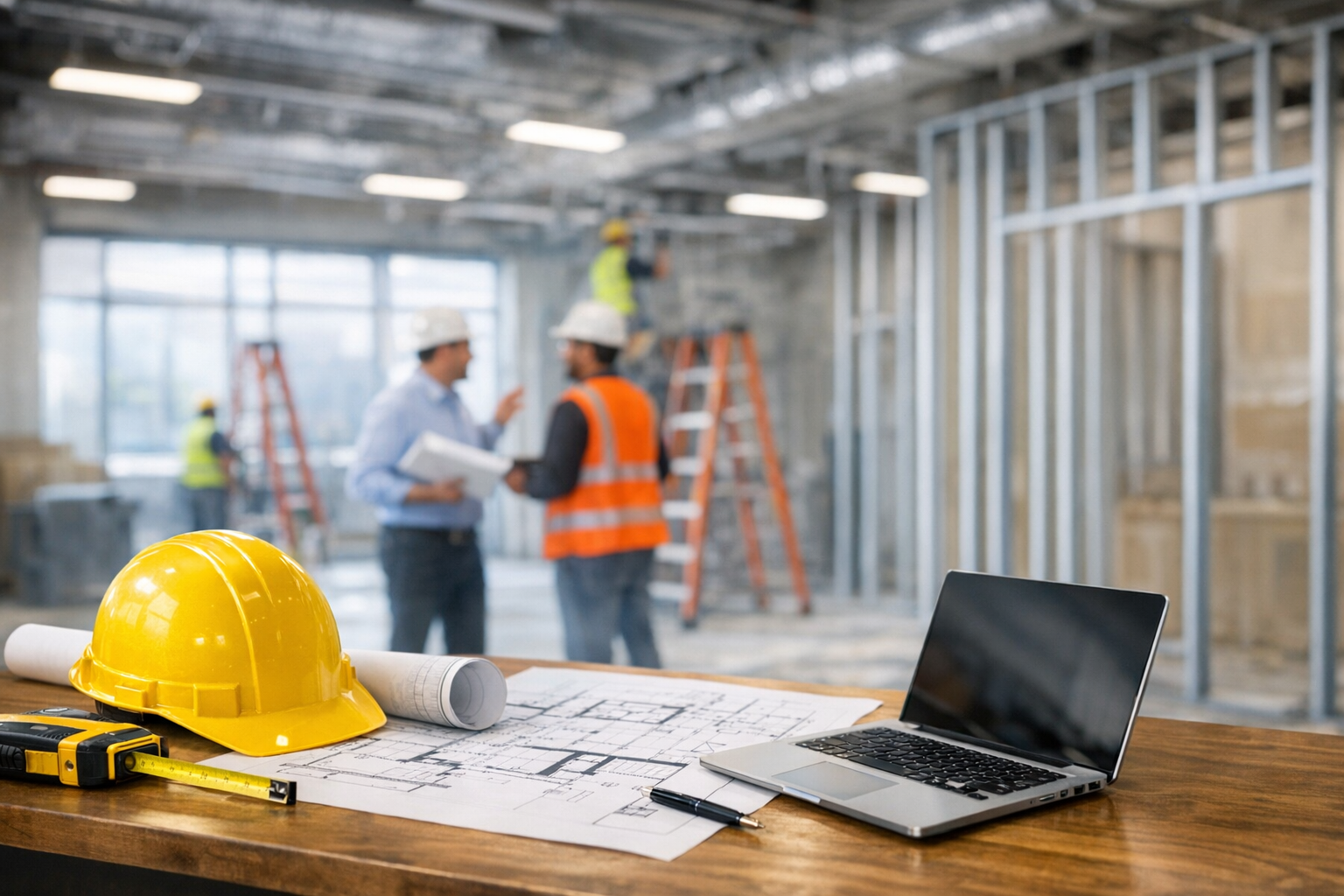
Commercial tenant finish build-out is the process of transforming a raw or partially completed space into a functional environment for a specific business. Whether you are opening a retail store, office, restaurant, or medical practice, the build-out shapes how the space looks, works, and supports daily operations. A well-planned project can improve efficiency, strengthen your brand, and help you open on time and on budget.
Because tenant finish projects involve design, permits, construction, and coordination with landlords and vendors, they can feel overwhelming at first. The good news is that with the right planning, the process becomes far more manageable. Below is a practical guide to commercial tenant finish build-out, including the main steps, common challenges, and ways to keep your project on track.
What Is a Commercial Tenant Finish Build-Out?
A commercial tenant finish build-out is the customization of leased commercial space to meet a tenant’s operational needs. It often includes framing, drywall, flooring, lighting, HVAC adjustments, plumbing, electrical work, paint, signage, millwork, and finishes.
Some spaces begin as “shell” spaces, meaning they are unfinished and require substantial work before use. Others may be partially built out and only need updates to match a new tenant’s layout or branding. In either case, the goal is the same: create a space that supports the business’s workflow, customer experience, and compliance requirements.
Common Types of Tenant Finish Projects
- Office build-outs: Conference rooms, open work areas, private offices, reception areas, and break rooms.
- Retail build-outs: Display areas, fitting rooms, checkout counters, storage, and branding elements.
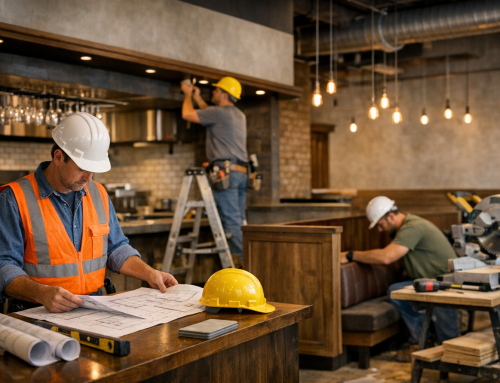
- Restaurant build-outs: Kitchen equipment, dining space, restrooms, grease management, and ventilation.
- Medical build-outs: Exam rooms, sterilization areas, waiting rooms, and specialized plumbing or electrical systems.
Why Tenant Finish Build-Out Matters
The right build-out does more than make a space look complete. It affects productivity, safety, customer experience, and long-term operating costs. A well-designed office can improve collaboration and reduce wasted square footage. A retail build-out can guide customers through the space and support sales. A restaurant or medical facility must meet strict code and equipment requirements while remaining efficient for staff and visitors.
Tenant finish work also impacts lease value. In many cases, landlords offer tenant improvement allowances or other incentives to help cover construction costs. Understanding how these funds work can make a major difference in your budget and lease negotiations.
Key Steps in the Build-Out Process
1. Assess the Space and Your Needs
Start by defining how the space will be used. Consider employee count, customer flow, equipment needs, storage, technology, accessibility, and future growth. It is also important to evaluate the existing conditions of the property, including utilities, structural limitations, and any code-related issues.
2. Review the Lease and Landlord Requirements
Before design begins, review lease terms carefully. The lease may specify what changes are allowed, who approves plans, who pays for certain items, and whether the landlord requires specific contractors or materials. Clear communication at this stage helps avoid delays and costly revisions later.
3. Develop the Design and Scope
Work with an architect, designer, or contractor to create a plan that fits both business goals and building requirements. This stage includes space planning, material selection, mechanical/electrical/plumbing considerations, and code compliance. A well-defined scope helps prevent misunderstandings and budget overruns.
4. Obtain Permits and Approvals
Most tenant finish projects require permits before construction can begin. Depending on the scope, you may need approvals for structural changes, plumbing, electrical, fire protection, accessibility, or occupancy changes. Permit timelines vary, so it is wise to build this step into the project schedule early.
5. Complete Construction and Inspections
Once permits are in hand, construction begins. Typical work includes demolition, framing, rough-in systems, insulation, drywall, finishes, fixture installation, and final punch-list items. Inspections occur throughout the process to confirm that work meets code and matches approved plans.
6. Prepare for Move-In
After construction is complete, final walk-throughs and punch-list corrections take place. This is the time to test systems, confirm that all finishes are complete, and ensure the space is ready for furniture, equipment, and staff training. A smooth closeout makes opening day much less stressful.
Factors That Affect Cost and Timeline
Tenant finish build-out costs vary widely based on location, project size, material quality, and complexity. A simple office refresh will cost much less than a full restaurant or healthcare build-out. Other factors include permitting delays, utility upgrades, specialized equipment, landlord requirements, and supply chain issues.
Timeline is equally important. Even a straightforward project may take several weeks or months once design, approvals, and construction are included. Businesses that plan ahead are better positioned to avoid rushed decisions and unnecessary downtime.
How to Keep Your Project on Track
The most successful tenant finish projects start with strong planning and the right team. Choose professionals who understand commercial construction, local codes, and landlord coordination. Establish a realistic budget with contingency funds for unexpected issues. Set milestones for design approval, permitting, construction, and final inspection.
It also helps to prioritize communication. Regular updates between the tenant, landlord, contractor, and design team reduce confusion and keep everyone aligned. If your business depends on an opening date, build in extra time whenever possible so setbacks do not derail launch plans.
Conclusion
A commercial tenant finish build-out is a major investment, but it is also an opportunity to create a space that truly supports your business. With thoughtful planning, clear communication, and experienced professionals, you can turn an empty or outdated space into a productive, welcoming environment that is ready for success.