A Complete Guide to Fire Damage Rebuild Services
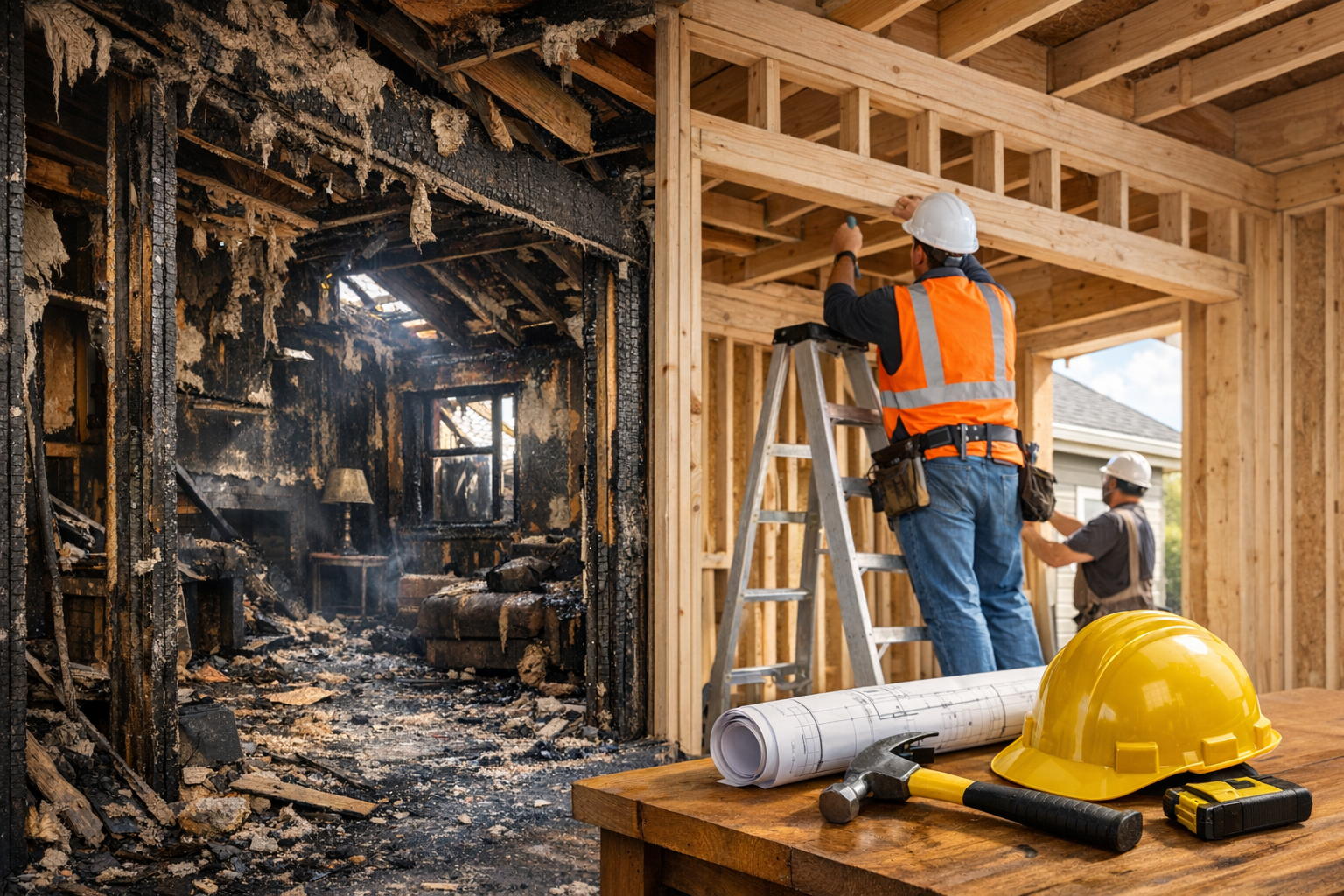
Understanding Fire Damage Rebuild Services
Recovering from a fire can feel overwhelming. Even after the flames are out, the damage often continues in the form of smoke, soot, water intrusion, weakened structures, and lingering odors. Fire damage rebuild services are designed to restore a property after a fire and return it to a safe, livable, and functional condition.
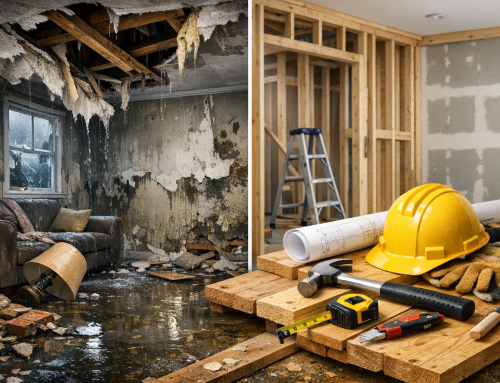
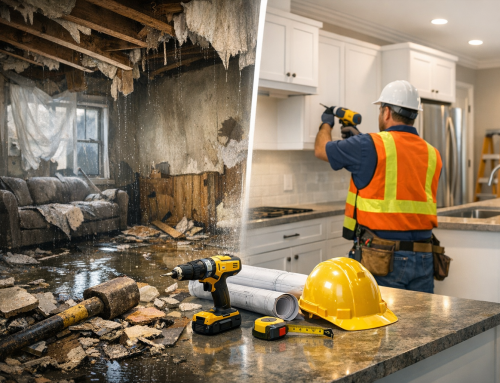
These services go beyond basic cleanup. A rebuild may involve repairing framing, replacing drywall, reinstalling flooring, restoring electrical systems, repainting, and addressing hidden damage that is not always visible at first glance. The goal is not just to make the space look better, but to make sure it is structurally sound and fully safe for occupancy.
What Fire Damage Rebuild Services Include
Fire damage rebuild services can vary depending on the severity of the loss, but most projects follow a similar process. After the initial emergency response and mitigation, the rebuild phase begins with a detailed assessment of the property.
This assessment helps identify what can be salvaged and what needs to be removed and replaced. Common rebuild services may include:
- Structural repairs to framing, roofing, and support systems
- Removal and replacement of damaged drywall, insulation, and ceilings
- Flooring repair or installation
- Electrical, plumbing, and HVAC restoration
- Smoke and soot stain removal
- Odor elimination and air quality improvements
- Interior painting, trim work, cabinetry, and finishing details
In many cases, fire damage rebuild services also include project coordination with insurance adjusters, inspectors, and specialty contractors. This helps streamline the recovery process and reduce delays.
Why Professional Rebuild Services Matter
Fire damage can create hidden hazards that are easy to miss without professional training. Some materials may appear intact but still be weakened by heat, smoke, or water used to put out the fire. Attempting a DIY repair or hiring an unqualified contractor can lead to future safety issues, code violations, and higher long-term costs.
Professional fire damage rebuild teams understand how to evaluate structural integrity, identify contamination, and restore a building according to local building codes. They also know how to work efficiently after a disaster, which is especially important when families or businesses are trying to get back to normal as quickly as possible.
Another major benefit is consistency. A qualified rebuild service can manage the project from start to finish, ensuring each phase is completed in the correct order. That reduces the risk of overlooked damage and helps create a smoother, less stressful experience for property owners.
The Fire Rebuild Process Step by Step
1. Inspection and damage assessment
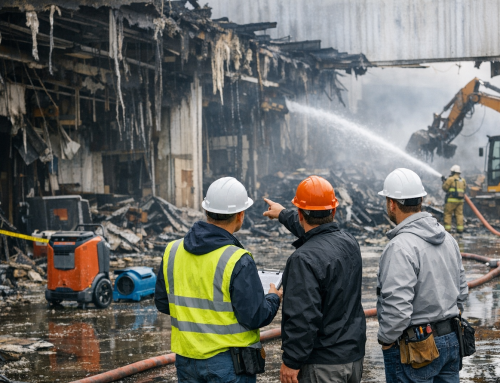
The process begins with a thorough inspection. Contractors examine the extent of fire, smoke, soot, and water damage to determine what repairs are needed. This step often includes photographing the damage for insurance documentation.
2. Planning and estimating
Once the damage has been assessed, the rebuild team develops a plan and cost estimate. This may involve selecting materials, setting timelines, and coordinating with the insurance company. Clear planning helps avoid surprises later in the project.
3. Demolition and debris removal
Damaged materials that cannot be repaired are safely removed. This may include charred framing, ruined drywall, insulation, flooring, or cabinetry. Proper disposal is important because fire debris can contain hazardous substances.
4. Structural repairs and reconstruction
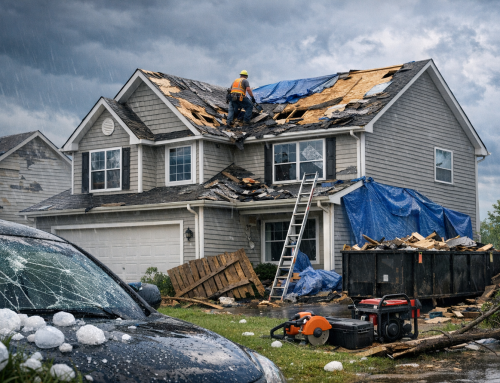
After demolition, the rebuilding phase begins. Contractors repair or replace structural components, install new building materials, and restore the property’s core systems. This stage may also involve correcting any code-related issues uncovered during the rebuild.
5. Finishing work and final inspection
The last step includes painting, trim installation, flooring, fixtures, and final cleaning. A final inspection confirms the property meets safety and quality standards before it is turned back over to the owner.
How Fire Damage Rebuild Services Help Protect Property Value
A fire can significantly affect a property’s appearance, safety, and market value. High-quality rebuild services help preserve or restore that value by ensuring the home or business is repaired properly. This is especially important if the property may be sold or refinanced in the future.
Thorough documentation and professional reconstruction can also help demonstrate that the property was restored to code and addressed with care. Buyers, lenders, and insurers are more likely to trust a property that has been rebuilt by experienced professionals.
For business owners, a prompt and well-managed rebuild can also reduce downtime. Getting operations back up and running faster may help limit revenue loss and support long-term stability.
Choosing the Right Fire Damage Rebuild Contractor
Not all contractors specialize in post-fire reconstruction, so choosing the right team matters. Look for a company with direct experience in fire damage rebuild services, not just general remodeling. They should understand emergency restoration, structural repair, insurance coordination, and local code requirements.
Before hiring, ask about licensing, insurance, project timelines, and examples of previous fire rebuild work. It is also helpful to choose a contractor that communicates clearly and provides detailed estimates. In a stressful situation, transparency can make a big difference.
When possible, work with a contractor who can handle both mitigation and reconstruction. That continuity can save time, reduce confusion, and make the overall recovery process more efficient.
Conclusion
Fire damage rebuild services play a critical role in helping property owners recover after a devastating event. From structural repairs to finishing touches, these services restore safety, function, and peace of mind. With the right professional team, it is possible to rebuild with confidence and move forward with a stronger, safer property.