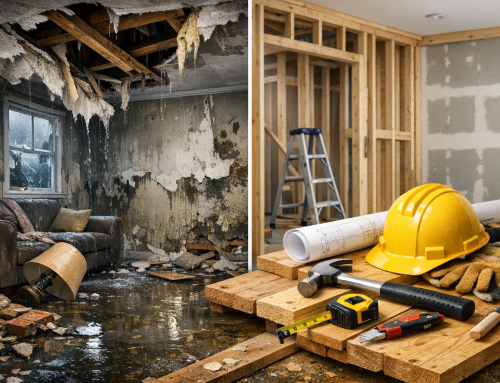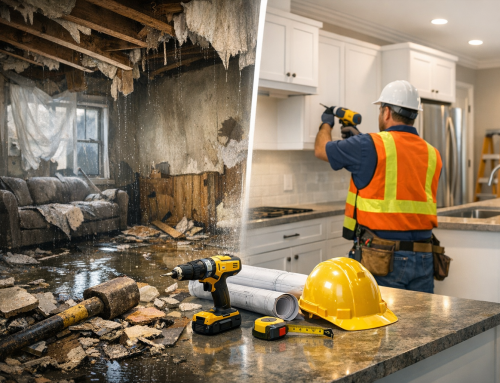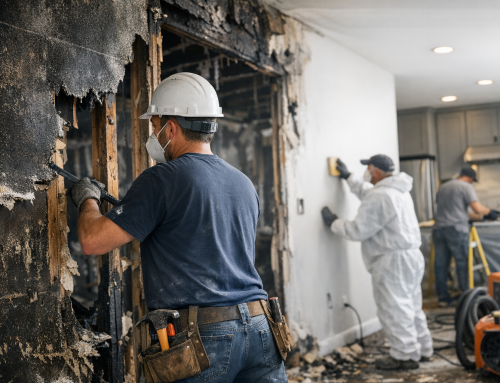
Wind and Hail Damage Restoration Rebuild: What Homeowners Need to Know
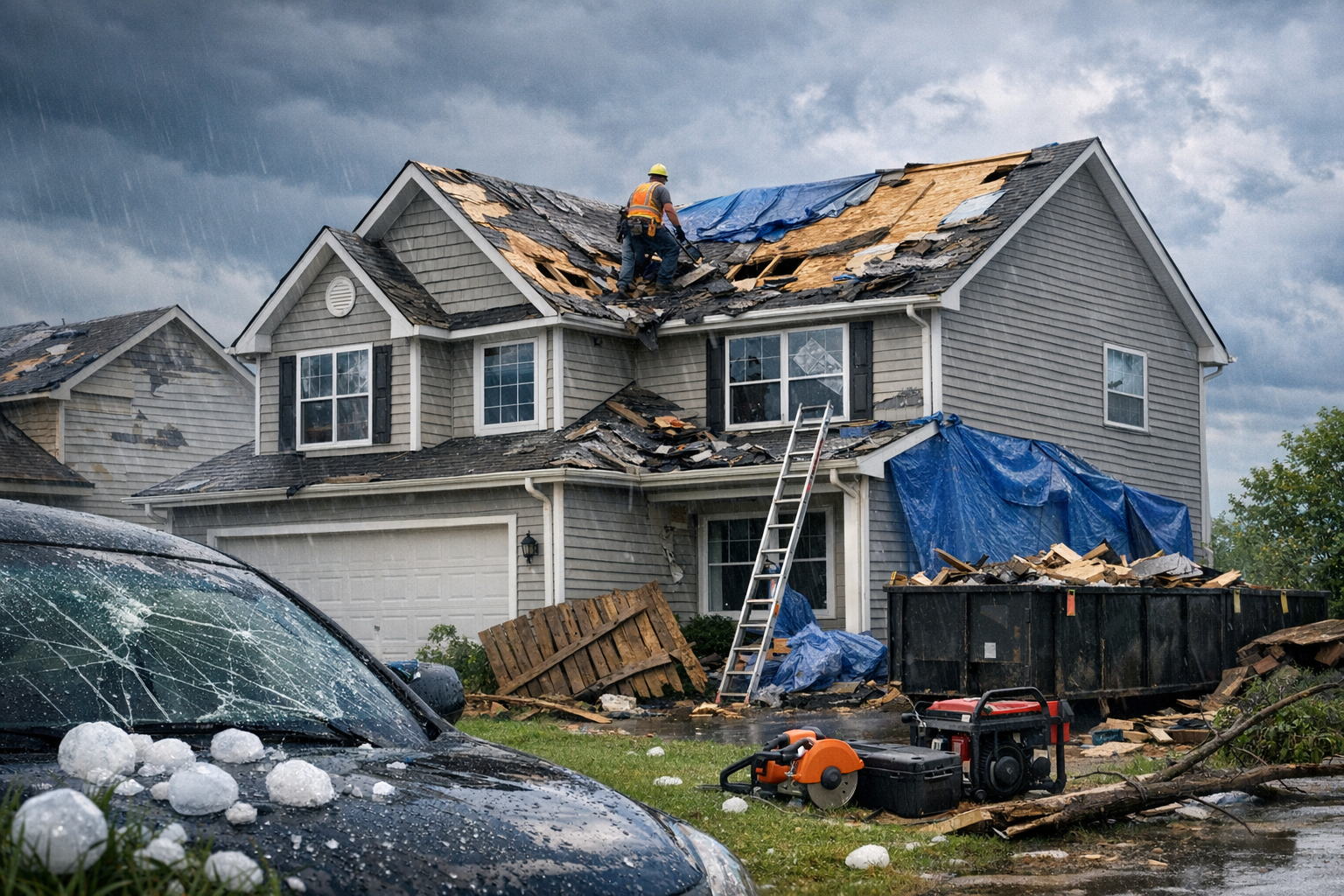
Understanding Wind and Hail Damage
Wind and hail storms can cause far more than cosmetic issues. Strong gusts may lift shingles, loosen siding, damage flashing, and break windows, while hail can dent roofs, crack shingles, and puncture exterior materials. Even when damage looks minor from the ground, hidden problems can lead to leaks, mold growth, insulation damage, and structural concerns over time.
A proper wind and hail damage restoration rebuild goes beyond surface repairs. It should address both visible destruction and underlying issues to restore your property safely, efficiently, and with long-term durability in mind.
First Steps After the Storm
Once it is safe to go outside, inspect your property from the ground and document everything you can see. Take clear photos and videos of damaged roofing, gutters, siding, windows, fences, and outdoor structures. Inside the home, look for ceiling stains, damp walls, drafts, or debris that may signal roof or siding failure.
It is important not to climb onto a damaged roof yourself. Storm-damaged materials can be unstable and dangerous. Instead, contact a qualified restoration contractor who can perform a thorough inspection and identify both obvious and hidden damage.
Contact Your Insurance Company Early
Report the damage to your insurance provider as soon as possible. Many policies have time limits for filing claims, and early reporting helps keep the process moving. Share your documentation, keep a record of all conversations, and ask what coverage may apply for temporary protection, repairs, and rebuild work.
If emergency tarping or board-up services are needed, your restoration team may be able to help prevent additional water intrusion while the claim is being reviewed.
What a Wind and Hail Damage Restoration Rebuild Includes
A complete rebuild is often more involved than replacing a few shingles or patching broken siding. The scope depends on how severe the storm was and which parts of the structure were affected. In many cases, restoration includes roof replacement, siding repair, window replacement, trim work, interior drywall repair, insulation replacement, painting, and cleanup of storm debris.
If water entered the home, crews may also need to dry out affected areas, remove damaged materials, and address mold-prone conditions before rebuilding begins. The goal is to return the property to pre-storm condition, or better, using materials and methods that improve resilience.
Structural Repairs and Water Mitigation
Wind and hail can compromise structural components, especially if moisture has seeped behind walls or under roofing. Before cosmetic work begins, technicians should confirm that framing, sheathing, decking, and support elements are sound. If water damage is present, mitigation steps such as dehumidification, material removal, and antimicrobial treatment may be necessary.
Skipping this stage can lead to future problems that cost more to fix later. A careful rebuild protects both the safety and value of your home.
Choosing the Right Restoration Contractor
Not all contractors approach storm restoration the same way. Look for a company with experience in both emergency response and full rebuild services. A reliable contractor should provide a detailed inspection, clear scope of work, transparent estimates, and support throughout the insurance process.
Ask whether they handle roofing, siding, interior repairs, and project coordination in-house or through trusted specialists. A well-managed team can reduce delays and help ensure the entire restoration stays consistent from start to finish.
Questions to Ask Before Hiring
- Do you specialize in wind and hail damage restoration rebuilds?
- Can you provide references or examples of similar projects?
- Will you help document damage for insurance purposes?
- How do you handle hidden damage discovered during repairs?
- What is your estimated timeline for completion?
Asking these questions upfront can help you choose a contractor who communicates well and understands the unique challenges of storm recovery.
Why Timely Rebuilds Matter
Delaying repairs after a wind or hail event can make damage worse. Loose shingles may allow more water into the attic, cracked siding can let moisture in behind the walls, and damaged windows can affect energy efficiency and security. The sooner restoration begins, the better your chances of limiting secondary damage and keeping repair costs under control.
Timely rebuilds also help families return to normal faster. Whether your home needs a targeted repair or a more extensive restoration, a prompt and organized response can reduce stress and restore peace of mind.
Improving Resilience During the Rebuild
One advantage of rebuilding after storm damage is the opportunity to strengthen your home. Depending on local building codes and your budget, you may be able to upgrade to impact-resistant shingles, reinforced siding, better flashing, storm-rated windows, or improved roof ventilation. These improvements can help reduce future damage and may even improve long-term efficiency.
A thoughtful rebuild is not just about replacing what was lost. It is also a chance to make your property more durable for the next severe weather event.
Conclusion
Wind and hail damage can be disruptive, but a well-planned restoration rebuild can help your home recover fully. By documenting damage, contacting your insurer, and working with an experienced contractor, you can move through the process with greater confidence. The right team will not only repair the damage but also help protect your home for the future.