Large Loss Restoration Contractors: What They Do and When to Call Them
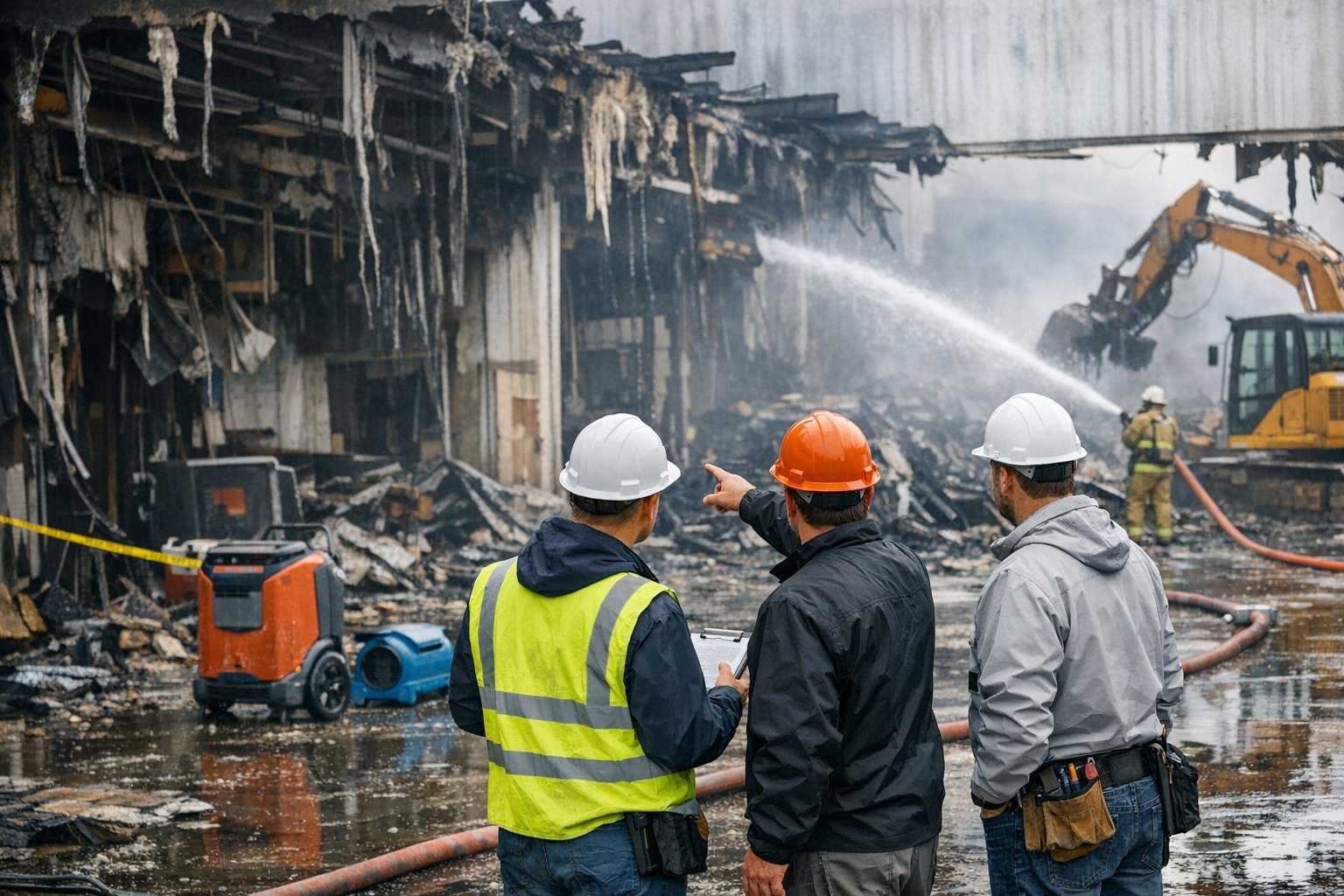
When disaster hits a commercial property, the damage is often too extensive for a standard repair crew. That’s where large loss restoration contractors come in. These specialists handle major losses caused by fire, flood, storms, vandalism, burst pipes, and other catastrophic events. Their job is not only to clean up the mess, but to stabilize the property, reduce further damage, and guide the recovery process from start to finish.
What Are Large Loss Restoration Contractors?
Large loss restoration contractors are companies equipped to manage major property damage projects that go beyond routine restoration work. They typically handle commercial buildings, multifamily housing, industrial sites, schools, hotels, and other high-value properties where the scope of damage requires more manpower, equipment, and coordination.
Unlike smaller repair crews, these contractors are prepared for complex losses involving structural damage, extensive water intrusion, smoke contamination, mold growth, or full-scale reconstruction. They often work closely with property managers, insurance adjusters, engineers, and other specialists to restore the property efficiently and safely.
Typical situations they handle
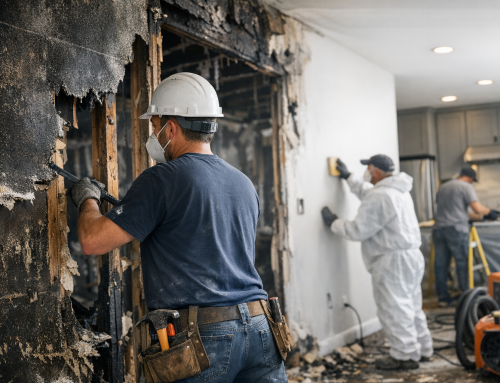
- Fire and smoke damage
- Flooding and storm damage
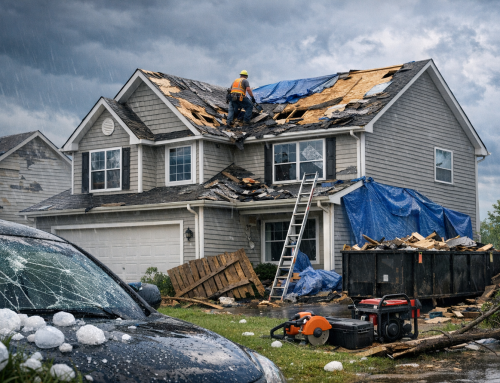
- Hurricane, tornado, or wind damage
- Large-scale water damage from plumbing failures
- Vandalism or intentional damage
- Structural emergencies requiring emergency stabilization
Key Services They Provide
Large loss restoration contractors offer a broad range of services designed to address every stage of recovery. Their work usually begins with emergency response and continues through cleanup, repairs, and rebuilds.
Emergency response and mitigation
The first priority after a major loss is preventing the damage from getting worse. Contractors may board up openings, extract standing water, tarping damaged roofs, and secure the site. Fast mitigation can make a major difference in reducing costs and protecting the building from additional exposure.
Damage assessment and planning
After the site is stabilized, the contractor evaluates the extent of the damage. This assessment often includes moisture mapping, smoke and soot evaluation, structural inspection, and documentation for insurance purposes. A detailed plan is then created to outline the restoration timeline, needed resources, and reconstruction steps.
Cleanup and environmental remediation
Large loss projects often require deep cleaning and specialized remediation. This may involve removing debris, cleaning smoke residue, drying affected materials, eliminating mold, and handling hazardous materials when present. Proper remediation is essential for protecting both the building and the people who occupy it.
Reconstruction and repair
Once the site is clean and safe, reconstruction begins. This can include framing, drywall, flooring, roofing, electrical work, plumbing, and finish restoration. A good large loss contractor can manage the entire process, reducing the need to coordinate multiple vendors.
Why Large Loss Projects Require Specialized Contractors
Major property losses are more complex than typical restoration jobs. They often involve tight timelines, large insurance claims, business interruption concerns, and multiple stakeholders. Specialized contractors bring the experience and systems needed to manage these pressures effectively.
One major advantage is scale. A large loss contractor can deploy enough labor, equipment, and project management support to handle a significant disaster without delays. They also understand how to document damage thoroughly, which can help streamline the insurance claim process.
Another advantage is continuity. Instead of hiring one team for cleanup and another for repairs, property owners can work with a contractor that oversees the full restoration cycle. This often leads to better communication, fewer mistakes, and a more efficient path back to normal operations.
How to Choose the Right Large Loss Restoration Contractor
Selecting the right contractor is one of the most important decisions after a major property loss. Not every restoration company has the capability to manage a large and complicated project, so it’s worth taking time to evaluate your options carefully.
Look for relevant experience
Choose a contractor with a proven track record handling losses similar to yours. Commercial fire damage, for example, requires different skills than residential water damage. Ask about project size, response time, and types of properties they have restored.
Check their resources and capacity
Large loss restoration requires significant resources. Ask whether the company has enough trained personnel, equipment, and project managers to handle an emergency of your scale. A well-prepared contractor should be able to mobilize quickly and explain how they will staff the job.
Evaluate communication and documentation
Clear communication is essential during a crisis. The right contractor should provide regular updates, maintain detailed records, and keep all stakeholders informed. Strong documentation supports both the restoration process and the insurance claim.
Verify licensing and insurance
Because large loss projects often involve structural work and environmental risks, it is important to confirm that the contractor is properly licensed and insured. This protects the property owner and helps ensure the work is completed to professional standards.
What to Expect During the Restoration Process
Every large loss is different, but most projects follow a similar pattern. First comes emergency response, followed by assessment, mitigation, cleanup, and reconstruction. Depending on the severity of the damage, the process may take days, weeks, or even months.
During this time, property owners should expect regular site visits, progress reports, and ongoing coordination with insurers or consultants. While the process can be stressful, a capable contractor will help reduce uncertainty and keep the project moving forward.
It’s also important to understand that speed and quality must be balanced. Rushing repairs without proper drying, cleaning, or structural evaluation can lead to future problems. The best large loss restoration contractors focus on doing the job safely and thoroughly the first time.
Conclusion
Large loss restoration contractors play a critical role in helping properties recover after serious disasters. With the right experience, equipment, and project management, they can stabilize damage, guide the cleanup process, and rebuild what was lost. If your property has suffered a major emergency, choosing a qualified contractor can make the difference between a chaotic recovery and a controlled, successful restoration.