Commercial Restoration Buildback: What It Is and Why It Matters
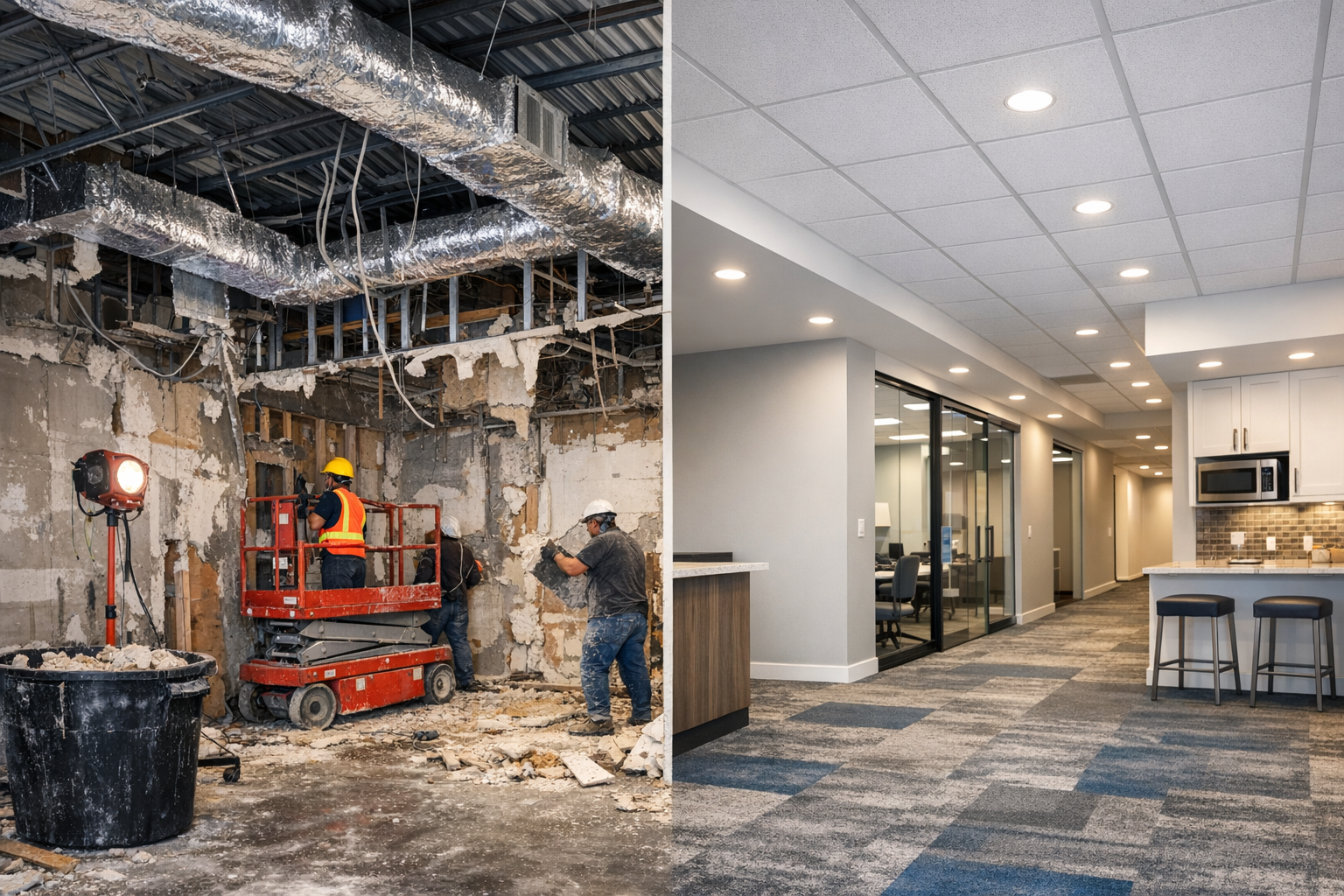
What Is Commercial Restoration Buildback?
Commercial restoration buildback is the process of rebuilding and restoring a business property after damage has been mitigated and cleanup is complete. In simple terms, once water, fire, mold, storm, or impact damage has been addressed, buildback returns the space to its pre-loss condition, or sometimes improves it during reconstruction. This stage often includes repairing structural elements, replacing damaged finishes, reinstalling systems, and making the property functional again.
For business owners, buildback is more than just a final step. It is the phase that gets operations moving again, protects long-term property value, and helps reduce downtime. A well-managed buildback can make the difference between a frustrating delay and a smooth return to normal business.
Why Buildback Is a Critical Part of Restoration
Many people focus on mitigation because it is the most urgent part of disaster response. However, mitigation alone does not make a building usable. After the water is extracted, smoke residue removed, or damaged materials demolished, the property still needs reconstruction. That is where buildback becomes essential.
For commercial properties, every day of interruption can affect employees, customers, and revenue. A coordinated buildback process helps minimize those losses by restoring office space, retail areas, warehouses, restaurants, or industrial facilities as efficiently as possible. It also ensures the work meets code, safety standards, and the functional needs of the business.
Common Types of Commercial Buildback Projects
Water Damage Buildback
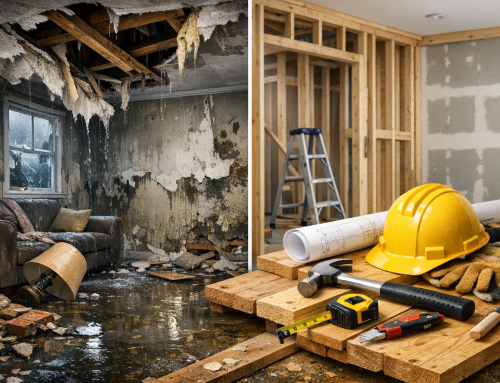
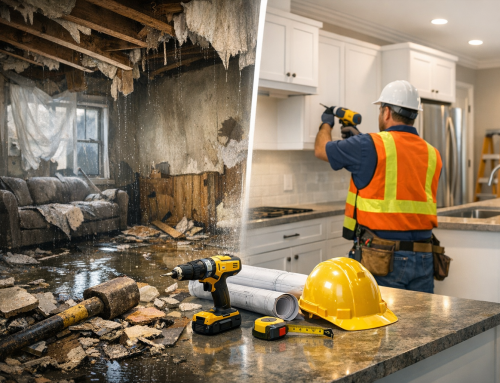
Water losses often require replacement of drywall, insulation, flooring, ceiling tiles, baseboards, and electrical components. In larger losses, framing, roofing, and structural materials may also need reconstruction. Buildback restores the affected areas after drying and demolition are complete.
Fire and Smoke Damage Buildback
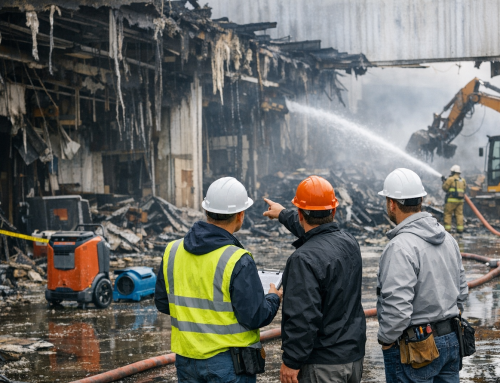
Fire restoration buildback can involve rebuilding walls, ceilings, cabinetry, and roofing, along with replacing smoke-damaged finishes and mechanical systems. Soot and odor can penetrate deep into materials, so reconstruction may be necessary even when damage is not immediately visible.
Storm and Wind Damage Buildback
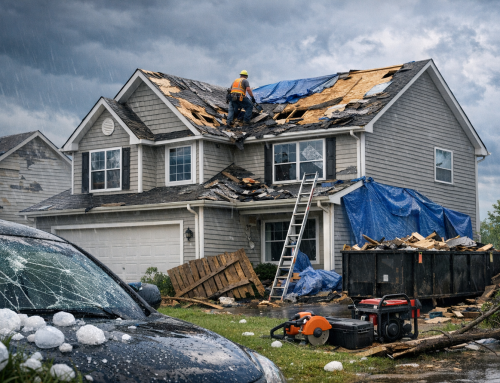
Severe weather can damage roofs, siding, windows, storefronts, and interior spaces. Buildback after storm damage may include structural repairs, exterior envelope replacement, and finish work to secure and restore the property.
Mold Remediation Buildback
After contaminated materials are removed and the environment is stabilized, buildback puts the affected space back together. This may include insulation, drywall, flooring, and paint, along with moisture-resistant upgrades to reduce future risk.
What the Commercial Restoration Buildback Process Looks Like
Although every project is different, commercial buildback usually follows a predictable sequence. The goal is to move from an empty, cleaned-up site to a fully functional business environment.
1. Assessment and Scope Development
The process begins with a detailed evaluation of the damage and the remaining conditions of the property. Contractors, property managers, adjusters, and restoration professionals work together to define the scope of work, identify materials that need replacement, and determine what can be repaired.
2. Planning and Permitting
Depending on the size of the project, permits may be required for structural work, electrical changes, plumbing, or mechanical systems. Planning also includes material selection, budgeting, scheduling, and coordination with any insurance claims or tenant requirements.
3. Structural Repairs
If framing, supports, roofing, or other load-bearing components were damaged, those repairs are completed first. This stage ensures the building is safe and ready for finish work.
4. Mechanical, Electrical, and Plumbing Work
Commercial properties often rely on complex building systems. Buildback may involve replacing wiring, outlets, lighting, HVAC components, pipes, fixtures, or sprinkler system parts. These systems must be restored before interior finishes can go in.
5. Interior and Exterior Reconstruction
Once the core systems are in place, crews replace drywall, flooring, ceilings, doors, windows, paint, trim, and other finishes. Exterior buildback may include masonry repair, roofing, siding, storefront glass, and sealants.
6. Final Inspections and Completion
The last stage includes quality checks, code inspections, cleaning, and walkthroughs. Any punch-list items are addressed before the property is turned back over for normal use.
How to Keep Buildback Projects on Schedule
Commercial restoration buildback can become delayed when communication is unclear or materials are slow to arrive. A few best practices can help keep the project moving.
First, establish a clear scope early and confirm it before work begins. Second, maintain open communication between the restoration contractor, building owner, insurance carrier, and tenants. Third, choose materials with availability in mind, especially when specialized finishes or matching products are involved. Finally, work with a contractor experienced in commercial properties, since occupied buildings, code requirements, and business timelines create added complexity.
Why Professional Experience Matters
Commercial buildback is not the same as a standard remodel. Restoration projects often involve hidden damage, urgent deadlines, insurance documentation, and the need to coordinate multiple trades at once. A skilled restoration team understands how to sequence the work efficiently while maintaining safety and quality.
Experienced professionals can also help identify opportunities to improve durability during reconstruction. For example, a damaged area may be rebuilt with more moisture-resistant materials, better access panels, or upgraded finishes that support long-term maintenance. In the right hands, buildback is not just repair work; it is an opportunity to strengthen the property.
Conclusion
Commercial restoration buildback is the final and essential step that brings a damaged property back to life. From structural repairs to interior finishes, it restores usability, protects business continuity, and helps property owners move forward after a loss. With the right planning and experienced professionals, buildback can be completed efficiently and with lasting results.