A Practical Guide to Commercial Leasehold Improvements Services
What Are Commercial Leasehold Improvements?
Commercial leasehold improvements are the changes, upgrades, and customizations made to a leased business space so it better fits the needs of a tenant. These improvements can range from simple cosmetic updates to more complex structural modifications, depending on the type of business and the condition of the property.
For many companies, a leased space is only a starting point. Leasehold improvements help transform that space into a functional, branded, and efficient environment. Whether you are opening a retail store, fitting out an office, or preparing a hospitality venue, these services play a major role in making the property work for your operations.
Why Leasehold Improvements Matter for Businesses
A commercial lease often comes with a space that is usable but not yet aligned with a tenant’s day-to-day needs. Leasehold improvements bridge that gap. They can improve workflow, create a better customer experience, support compliance requirements, and help a business present a more professional image.
These upgrades can also influence employee productivity and satisfaction. A well-planned office layout, better lighting, private meeting rooms, or improved storage can make a significant difference in how a team works. For customer-facing businesses, thoughtful improvements can shape first impressions and increase foot traffic, sales, or repeat visits.
Common Types of Leasehold Improvements
Leasehold improvements vary depending on the industry, the landlord’s requirements, and the tenant’s goals. Some of the most common types include:
- Interior fit-outs: partition walls, ceilings, flooring, lighting, and paint
- Office configuration: workstations, meeting rooms, reception areas, and breakout spaces
- Retail upgrades: display systems, counters, signage, and customer flow improvements
- Hospitality alterations: dining areas, bars, kitchens, and ambience-focused finishes
- Accessibility improvements: ramps, wider access points, and compliant washrooms
- Mechanical and electrical updates: HVAC, data cabling, power, and lighting systems
Some improvements are visible and design-led, while others are hidden but essential for safe and efficient operations. A professional service provider can help identify which upgrades will deliver the greatest value.
The Commercial Leasehold Improvement Process
Leasehold improvement projects usually follow a structured process to ensure the space is functional, compliant, and completed on schedule. While each project is different, the general steps are similar.
1. Needs Assessment and Planning
The process begins by understanding how the tenant will use the space. This includes evaluating staff numbers, customer traffic, equipment needs, branding goals, and any operational challenges. A clear brief helps define the scope of work and prevents costly changes later.
2. Design and Documentation
Once the goals are established, the design phase begins. This may include layout drawings, material selections, and technical documentation. In many cases, approvals are needed from the landlord, building management, or local authorities before work can begin.
3. Construction and Installation
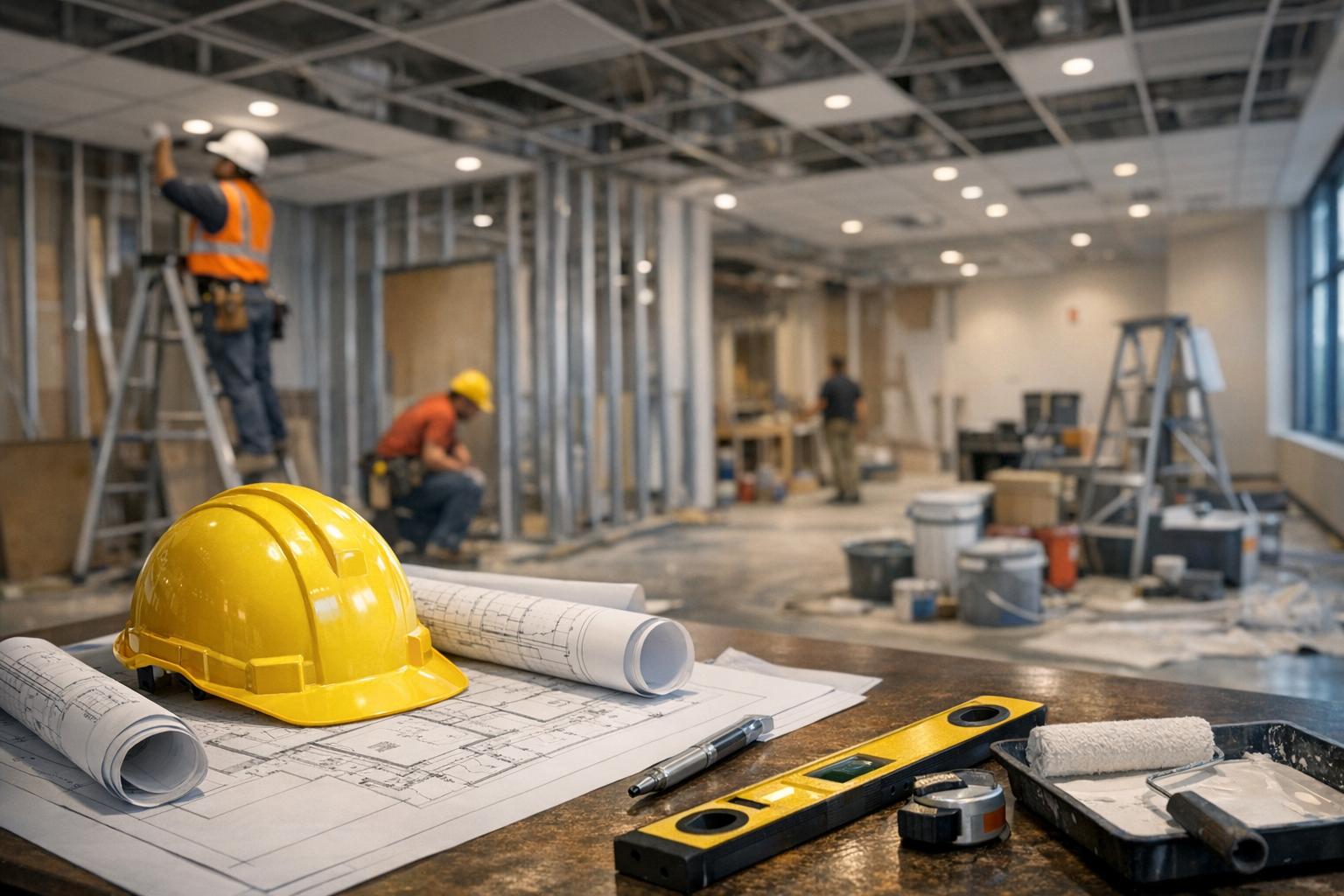
After approval, contractors carry out the work. This stage may involve demolition, carpentry, electrical work, plumbing, painting, and installation of fixtures or equipment. Good project management is critical here to keep the schedule on track and minimize disruption.
4. Final Inspection and Handover
When construction is complete, the space is inspected to confirm that all work meets the agreed specifications and safety standards. The final handover may include testing systems, reviewing warranties, and addressing any remaining defects or adjustments.
Benefits of Professional Leasehold Improvement Services
Working with experienced leasehold improvement professionals offers several advantages. First, it reduces the risk of delays, errors, and compliance issues. Commercial properties often have strict requirements, and an experienced team understands how to navigate them efficiently.
Second, professional services help control costs. A well-managed project starts with accurate budgeting and realistic timelines. It also reduces the chance of rework or unexpected issues during construction. That kind of planning is especially important when businesses need to open on a fixed date or complete work while remaining partially operational.
Third, the result is usually better aligned with long-term business goals. Rather than making isolated changes, professional services consider functionality, durability, brand identity, and future growth. The result is a space that supports operations today and remains adaptable later.
What to Consider Before Starting a Project
Before beginning leasehold improvements, tenants should review the lease agreement carefully. Many leases outline who is responsible for improvements, what approvals are required, and whether the tenant must restore the space at the end of the lease term. Understanding these terms early helps avoid disputes and unnecessary costs.
It is also wise to consider the remaining lease length. If a tenant is only planning to occupy the property for a short period, it may not make sense to invest heavily in highly specialized upgrades. On the other hand, a longer lease may justify a more customized and durable fit-out.
Budget, timeline, and business continuity should all be part of the decision-making process. A good improvement plan balances immediate needs with long-term value while minimizing disruption to daily operations.
Choosing the Right Commercial Leasehold Improvements Partner
The right contractor or project partner can make a major difference in the success of a leasehold improvement project. Look for a company with experience in commercial fit-outs, strong project management skills, and a proven understanding of building regulations and landlord requirements.
It is also helpful to choose a partner who can handle the project from start to finish. Services that include planning, design coordination, construction, and final handover can streamline communication and reduce the number of moving parts. Clear communication, transparent pricing, and a realistic schedule are all signs of a reliable provider.
Before committing, ask to see examples of similar projects and request a detailed scope of work. This helps ensure expectations are aligned and makes it easier to compare providers based on both quality and value.
Conclusion
Commercial leasehold improvements services help turn an ordinary rented property into a space that supports business success. From planning and design to construction and handover, these services provide the structure and expertise needed to create a practical, attractive, and compliant environment. With the right partner, businesses can make smarter use of their leased space and set the stage for long-term growth.