What Is an Insurance-Approved Restoration Contractor?
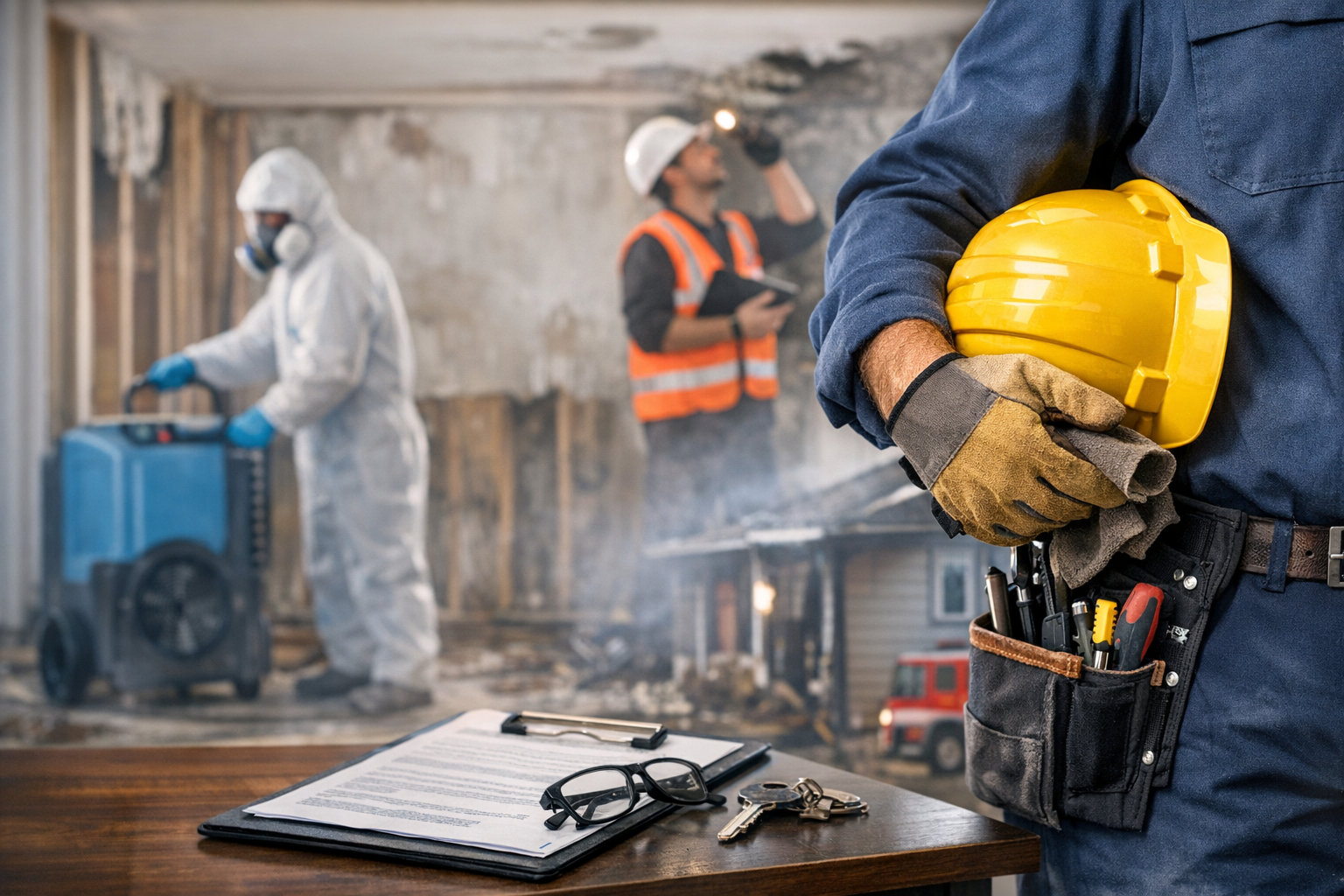
When your home or business is damaged by fire, water, mold, or a storm, the restoration process can feel overwhelming. On top of the stress of repairs, you may also need to deal with an insurance claim, documentation, and timelines. That is where an insurance-approved restoration contractor can make a major difference. These contractors are experienced in working with insurance companies, helping property owners move from damage to recovery with fewer delays and less confusion.
In this guide, we will explain what an insurance-approved restoration contractor is, how the approval process works, why it matters, and how to choose the right company for your situation.
What Is an Insurance-Approved Restoration Contractor?
An insurance-approved restoration contractor is a restoration professional or company that has been vetted, recognized, or accepted by one or more insurance carriers to perform repair and recovery work after property damage. These contractors typically handle services such as water damage restoration, fire and smoke cleanup, mold remediation, and storm damage repair.
Approval does not always mean a contractor is “recommended” by the insurer, but it often means the company meets certain standards related to licensing, insurance, training, pricing practices, documentation, and customer service. In many cases, this makes the claims process smoother for everyone involved.
How Insurance Approval Works
Insurance approval can happen in a few different ways. Some contractors are part of a preferred vendor network, while others are independently approved after meeting the insurer’s requirements.
Preferred vendor programs
Many insurance companies maintain a list of preferred contractors they have worked with before. These companies may have proven that they provide reliable service, fair pricing, and proper documentation. If you use one of these contractors, the insurer may already be familiar with their process.
Prequalification and vetting
Before a contractor is approved, the insurer may review their licenses, certifications, insurance coverage, years in business, and claims handling experience. They may also evaluate whether the contractor uses detailed estimates, industry-standard software, and clear reporting practices.
Estimate review and scope approval
After the inspection, the contractor creates a repair scope and estimate. The insurance adjuster then reviews this information. If the contractor’s estimate is accurate and well-documented, approval can move forward more quickly.
Why Hiring an Insurance-Approved Contractor Matters
Working with an insurance-approved restoration contractor can make a stressful situation easier to manage. These professionals understand both property restoration and insurance claim procedures, which helps prevent delays and miscommunication.
Smoother communication with the insurer
Approved contractors are usually familiar with insurance terminology, claim documentation, and how to communicate damage findings. This can reduce back-and-forth and help keep the claim on track.
More accurate estimates
Insurance-approved contractors often use standardized estimating methods and detailed scopes of work. That means fewer surprises during the repair process and a lower chance of estimate disputes.
Faster restoration timelines
Because they understand insurer expectations, these contractors can often begin work sooner once the claim is authorized. In emergency situations, speed matters because it helps prevent further damage.
Better documentation
Insurance claims depend heavily on records. Approved contractors usually provide photos, moisture readings, itemized lists, and progress updates that support the claim and protect the property owner.
What Services They Typically Provide
An insurance-approved restoration contractor may offer a full range of damage recovery services, including:
- Water extraction and drying
- Fire and smoke cleanup
- Mold inspection and remediation
- Storm and wind damage repairs
- Roof tarping and board-up services
- Structural repairs and reconstruction
- Odor removal and content cleaning
Some companies handle both emergency mitigation and complete rebuilds, which can simplify the process because you are working with one team from start to finish.
How to Choose the Right Contractor
Even if a company is insurance-approved, it is still important to do your homework. Not all contractors deliver the same quality of work or customer experience.
Check credentials
Make sure the contractor is licensed, bonded where required, and properly insured. Ask about certifications related to water damage, mold remediation, or fire restoration if those services are needed.
Ask about claim experience
Choose a contractor who regularly works with insurance claims. They should understand how to prepare estimates, respond to adjuster questions, and document work throughout the project.
Review local reputation
Look for online reviews, testimonials, and references from previous customers. A strong reputation for professionalism and communication is often a good sign.
Understand the scope and pricing
Before work begins, request a clear explanation of the repair plan, timeline, and any out-of-pocket costs. A trustworthy contractor will be transparent about what is included and what your insurance may or may not cover.
Confirm emergency response availability
Property damage often requires immediate action. A good restoration contractor should offer emergency response services and be able to begin mitigation quickly.
Questions to Ask Before You Hire
To make an informed choice, ask these questions during your first call:
- Are you an insurance-approved or preferred vendor contractor?
- How often do you work with insurance claims?
- Do you provide detailed estimates and photo documentation?
- Who will be my main point of contact during the project?
- How soon can you begin emergency mitigation?
- Do you handle both restoration and reconstruction?
The answers can help you determine whether the company is experienced, responsive, and a good fit for your needs.
Conclusion
An insurance-approved restoration contractor can be a valuable partner when property damage disrupts your life. By combining restoration expertise with knowledge of the insurance process, these professionals help property owners recover more efficiently and with less stress. If you are facing a loss, choosing the right contractor can make all the difference in how quickly and smoothly your home or business is restored.