What to Know About Disaster Recovery Construction Services
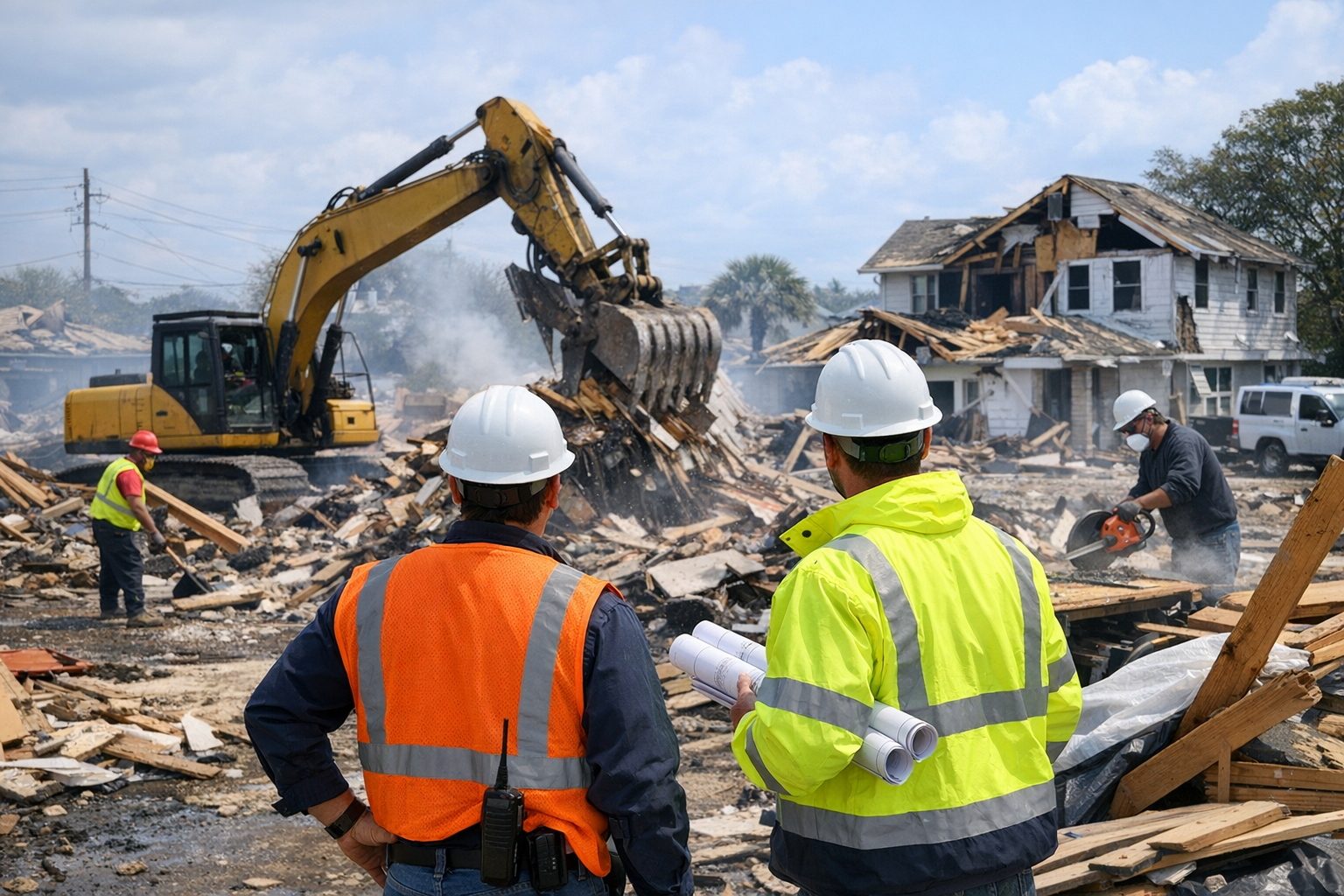
What Are Disaster Recovery Construction Services?
Disaster recovery construction services help property owners repair, restore, and rebuild after major damage from events like fires, floods, storms, earthquakes, or other emergencies. These services go beyond basic cleanup. They combine emergency response, structural repair, remediation, and full reconstruction to return a property to a safe, usable condition.
When a disaster happens, time matters. Water intrusion can lead to mold growth, fire damage can weaken structural components, and wind or impact damage can expose a building to further harm. Disaster recovery construction teams are trained to act quickly, assess the damage, and create a plan that addresses both immediate hazards and long-term restoration needs.
Why these services are important
After a disaster, it is not always obvious what can be salvaged and what must be replaced. A qualified recovery contractor helps identify hidden damage, prevent secondary issues, and coordinate the repair process efficiently. This can reduce downtime, protect property value, and make the rebuilding process much less stressful for owners and occupants.
Key Services Included in Disaster Recovery Construction
Disaster recovery construction can involve several phases, depending on the type and severity of the damage. A reliable provider will tailor the scope of work to the situation instead of using a one-size-fits-all approach.
Emergency stabilization and site protection
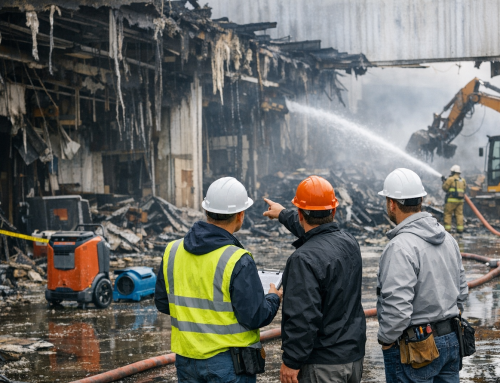
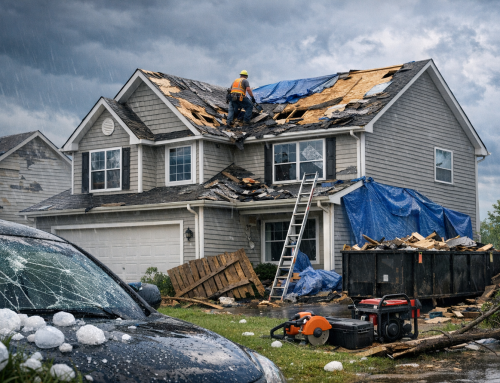
The first priority is to make the property safe. This may include board-up services, roof tarping, debris removal, temporary fencing, and structural stabilization. These steps help prevent further damage and reduce the risk of injury.
Damage assessment and planning
Next, contractors inspect the property to determine the full extent of the damage. They look at structural components, interior finishes, electrical systems, plumbing, and moisture levels. Based on the findings, they create a restoration plan, timeline, and scope of work.
Demolition and debris removal
Some materials may be too damaged to restore. In those cases, controlled demolition is performed to remove unsafe or unsalvageable sections. Proper debris disposal is also important for safety and compliance.
Structural repair and reconstruction
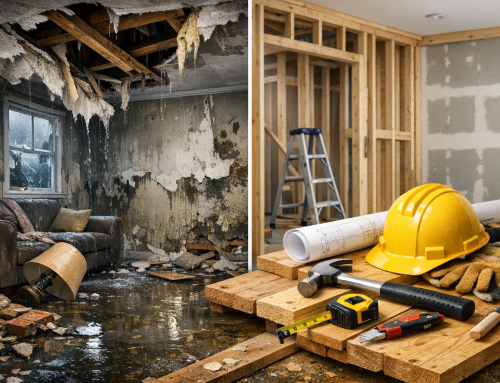
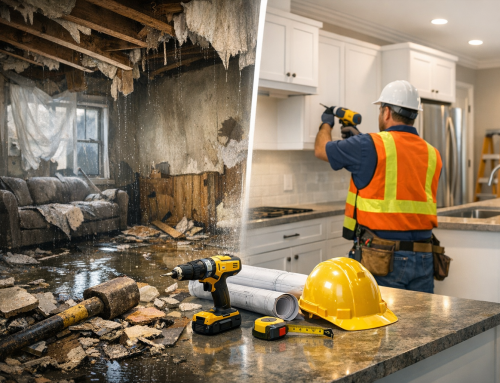
Once the damaged areas are cleared, the rebuilding process begins. This can include framing, roofing, drywall installation, flooring, insulation, and exterior repairs. For severe losses, reconstruction may involve major changes to bring the property back to pre-loss condition or better.
Water, mold, and smoke remediation
Disasters often leave behind hidden problems. Water damage can lead to rot and mold, while fire can leave smoke residue and odor. Recovery services often include drying, dehumidification, mold remediation, odor removal, and cleaning of affected surfaces and materials.
How the Disaster Recovery Process Works
Although every project is different, most disaster recovery construction jobs follow a similar sequence. Understanding the process can help property owners know what to expect.
1. Emergency response
The process usually begins with an immediate response to secure the property and reduce additional loss. This stage is especially important in situations involving severe weather, flooding, or fire.
2. Inspection and documentation
Contractors document the damage thoroughly, often with photos, measurements, and detailed notes. This information can support insurance claims and help ensure nothing is overlooked during repairs.
3. Scope development
After the assessment, the contractor develops a plan for cleanup, repair, and reconstruction. Clear communication is essential here because the scope may change if hidden damage is discovered.
4. Restoration and rebuilding
This is the phase where the property is repaired and returned to use. Depending on the damage, work may take days, weeks, or months. Skilled project management helps keep the process organized and on schedule.
How to Choose the Right Disaster Recovery Contractor
Selecting the right contractor can make a major difference in the outcome of a recovery project. Look for a company with experience, proper licensing, and a strong reputation for handling emergency restoration work.
Experience with your type of disaster
A contractor who has handled fire, flood, storm, or impact damage before will understand the unique challenges involved. That experience can help them make faster decisions and avoid costly mistakes.
Fast response and clear communication
Disaster recovery often requires quick action. Choose a team that responds promptly and explains the process in plain language. You should feel informed about the schedule, scope, and next steps from the beginning.
Insurance knowledge
Restoration work often involves insurance claims, so it helps to work with a contractor familiar with documentation and claim support. While they are not your insurer, they can help provide the records needed to move the process forward.
Comprehensive services
Working with a company that handles both mitigation and reconstruction can simplify the project. Instead of coordinating multiple vendors, you have one team managing the recovery from start to finish.
Benefits of Professional Disaster Recovery Construction Services
Hiring professionals offers more than convenience. It can improve safety, quality, and long-term results.
- Faster recovery: Emergency crews can begin work quickly, limiting further damage.
- Better safety: Trained teams know how to handle unstable structures and contaminated materials.
- Higher-quality repairs: Professional construction reduces the chance of recurring problems.
- Less stress: A coordinated process is easier to manage during a difficult time.
- Long-term protection: Proper restoration helps preserve the structure and prevent future issues.
Conclusion
Disaster recovery construction services play a vital role in helping properties recover after unexpected damage. From emergency stabilization to full reconstruction, these services provide a structured path toward safety and restoration. Choosing an experienced contractor can make the recovery process smoother, faster, and more effective when it matters most.