Property Damage Repair and Reconstruction: A Practical Guide for Homeowners
Understanding Property Damage Repair and Reconstruction
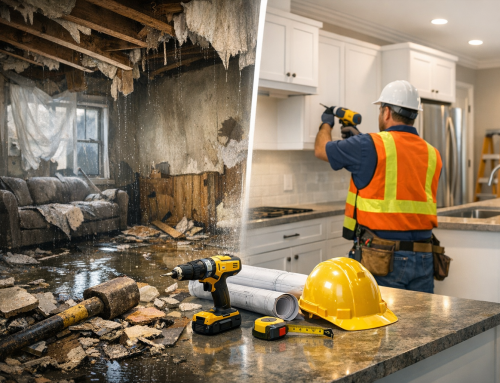
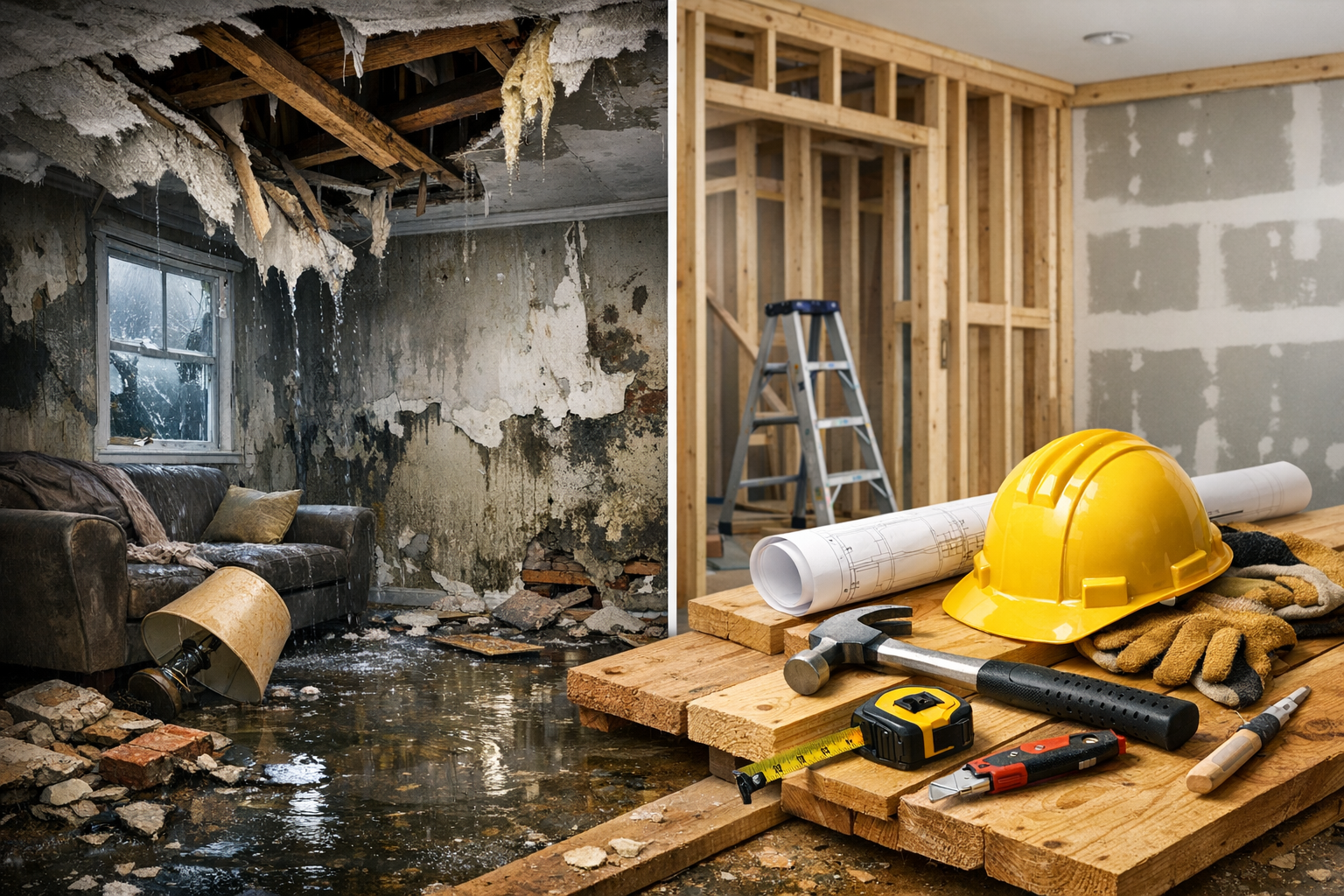
Property damage can happen suddenly and create stress, disruption, and uncertainty. Whether the cause is fire, water, storms, mold, or a structural issue, the path back to normal often involves two major phases: repair and reconstruction. While these terms are sometimes used interchangeably, they serve different purposes. Repair focuses on fixing damaged areas and restoring safety, while reconstruction may involve rebuilding parts of the property that are too damaged to restore.
Knowing what each phase includes can help homeowners make better decisions, communicate clearly with contractors, and move through the recovery process with more confidence. A well-planned approach also reduces delays, prevents further damage, and supports a stronger long-term result.
Common Causes of Property Damage
Many types of incidents can damage a home or business. Water damage is one of the most common, often caused by burst pipes, roof leaks, appliance failures, or flooding. Even small leaks can create serious problems over time, including weakened materials and mold growth.
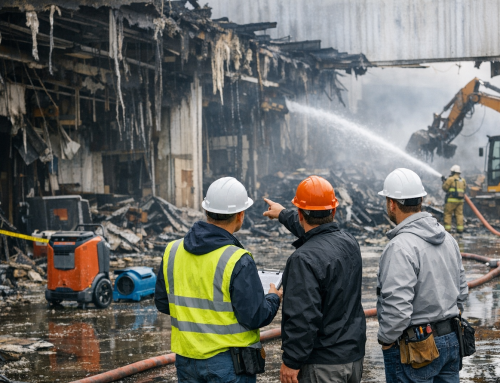
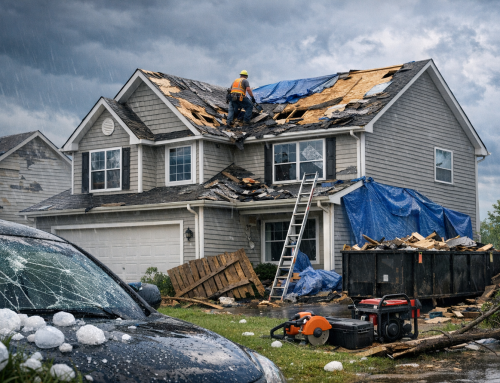
Fire damage is another major concern. Flames, heat, smoke, and soot can affect everything from framing to finishes. Storms can bring wind damage, fallen trees, hail, and broken windows, while mold may spread after moisture exposure if cleanup is delayed. In some cases, structural issues may appear after a disaster or due to long-term wear and tear.
Each type of damage requires a different response, which is why a professional assessment is so important early in the process.
The Damage Assessment Process
The first step in recovery is a thorough inspection. A detailed assessment identifies what was damaged, what can be repaired, and what may need replacement. This step often includes checking visible areas as well as hidden spaces such as walls, crawl spaces, attics, and subfloors.
Professionals may document damage with photos, moisture readings, and written reports. This information helps create a repair plan and can also support insurance claims. Accurate documentation is especially valuable when damage affects multiple rooms or structural elements.
During the assessment, the priority is safety. If there are electrical hazards, unstable materials, contaminated water, or compromised structural components, the property may need to be secured before work begins.
How Repair and Reconstruction Work
Repairing Damaged Areas
Repair work addresses damage that can be fixed without fully rebuilding the affected area. This might include drying water-damaged materials, replacing drywall, restoring flooring, repainting surfaces, cleaning smoke residue, or repairing roofing and trim. In many cases, the goal is to return the property to its pre-loss condition as efficiently as possible.
Repairs are often the first active phase after emergency mitigation. For example, after a water event, damaged materials may need to be removed, the structure dried, and remaining surfaces sanitized before rebuilding begins. Quick action can prevent secondary problems such as mold or rotting wood.
Reconstructing Major Structural Components
When damage is extensive, reconstruction becomes necessary. This phase may involve rebuilding walls, ceilings, floors, cabinetry, or entire sections of a property. Reconstruction is more involved than simple repair because it often requires coordination among multiple trades, permits, design planning, and inspections.
Reconstruction can also include upgrades if the property owner chooses to improve materials or layout during the rebuild. For example, a homeowner might replace older flooring with more durable materials or update insulation and finishes while damaged areas are open. This can make the property more resilient and functional after the project is complete.
Choosing the Right Property Damage Restoration Team
Selecting the right team is one of the most important decisions in the process. A qualified restoration company should have experience with the specific type of damage involved and be able to handle both mitigation and reconstruction when needed. Look for clear communication, detailed estimates, proper licensing, and a strong track record of quality work.
It is also helpful to choose a team that understands insurance processes. Property damage claims can be complex, and a restoration professional who can document the scope of work and coordinate with adjusters may save time and reduce confusion. Ask how the company handles project timelines, change orders, material selection, and final inspections.
Trust matters as well. A reliable contractor should answer questions clearly, explain the next steps, and keep the project organized from start to finish.
What Homeowners Can Expect During the Project
Every project is different, but most property damage repair and reconstruction jobs follow a similar flow. First comes emergency response or mitigation, which may include water extraction, board-up services, debris removal, or temporary stabilization. Next, the team evaluates the extent of the damage and develops a plan.
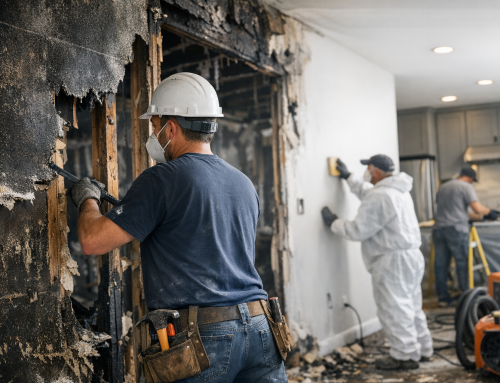
After planning, repairs and reconstruction begin. This can include demolition of unsalvageable materials, structural repairs, installation of new surfaces, and finishing work such as painting and trim. Depending on the damage, you may need to arrange temporary living or working space while the property is being restored.
Communication is key throughout the project. Homeowners should expect progress updates, scheduling information, and opportunities to review material selections or approve changes. The most successful projects are those that stay organized and transparent from beginning to end.
Preventing Future Property Damage
Once restoration is complete, prevention becomes the next priority. Routine maintenance can reduce the likelihood of future damage and help catch small issues before they grow. Inspect plumbing, roofing, gutters, windows, and foundations regularly. Keep an eye out for leaks, moisture stains, cracks, or signs of pest activity.
It is also wise to consider upgrades that improve resilience. Better drainage, water alarms, impact-resistant roofing, and updated electrical systems can all reduce risk. For properties in storm-prone or flood-prone areas, emergency planning and proper insurance coverage are equally important.
Even after a major repair or rebuild, ongoing care helps protect your investment and preserve the value of the property.
Conclusion
Property damage repair and reconstruction can feel overwhelming, but the process becomes much more manageable with the right plan and team. From careful assessment and emergency mitigation to repairs, rebuilding, and prevention, each step plays an important role in restoring safety and stability. With prompt action and informed decisions, homeowners can move forward with confidence and rebuild a property that is ready for the future.