How to Choose a Licensed Restoration Reconstruction Company
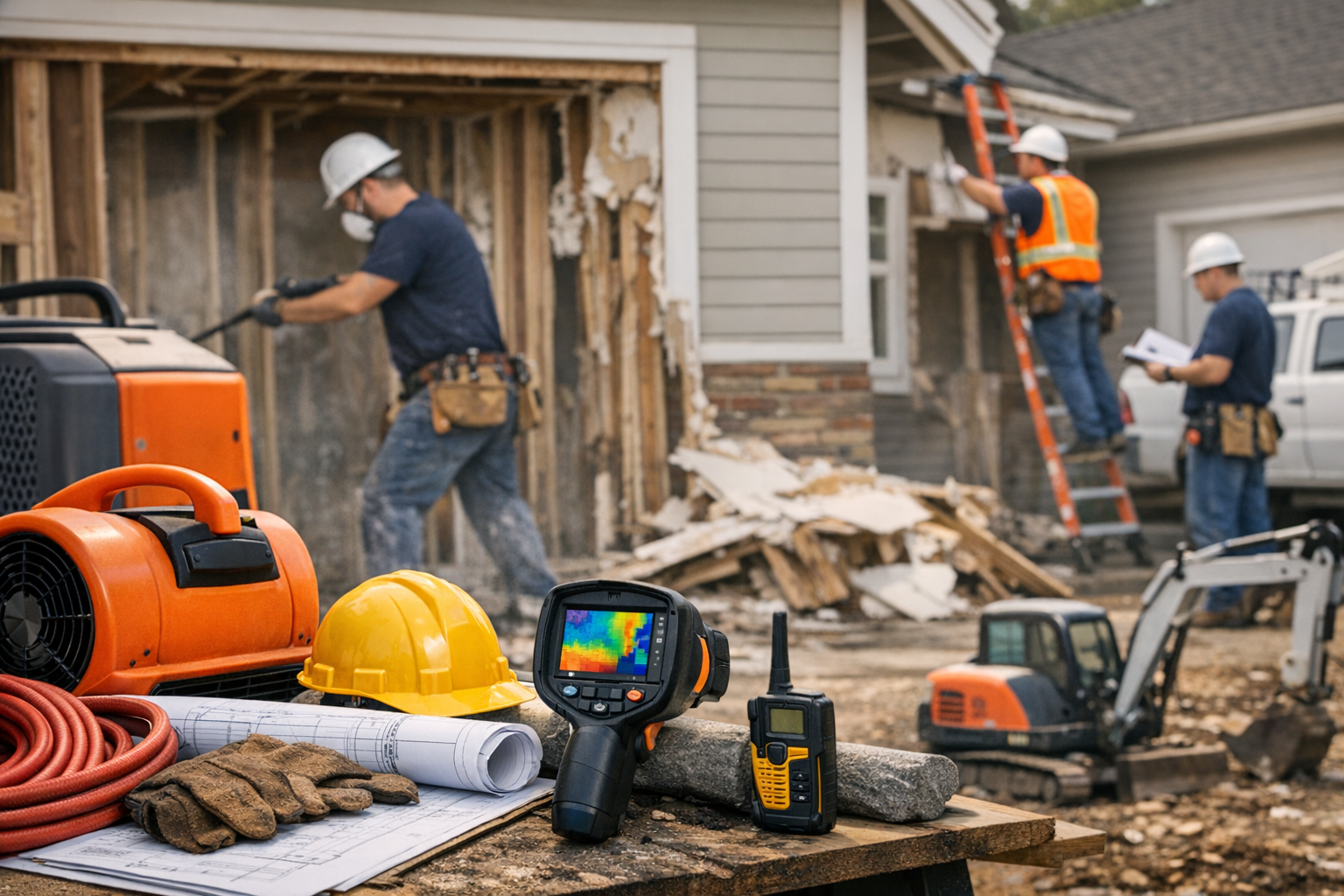
When a home or business is damaged by water, fire, storms, or another unexpected event, cleanup is only part of the recovery. The property may also need repairs or reconstruction before it is safe and comfortable to use again. A licensed restoration reconstruction company can coordinate both stages, helping move a property from initial damage assessment through completed repairs.
Knowing what these companies do—and how to evaluate them—can help you make informed decisions during a stressful time. Here’s what to look for when choosing a restoration and reconstruction partner.
What Does a Restoration Reconstruction Company Do?
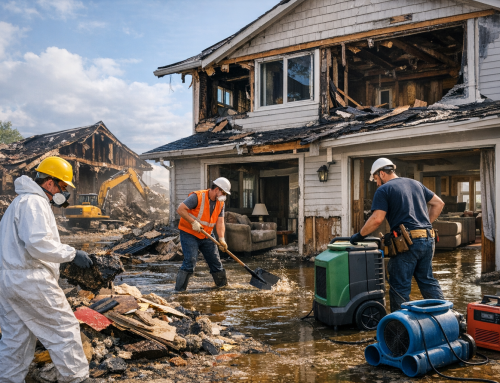
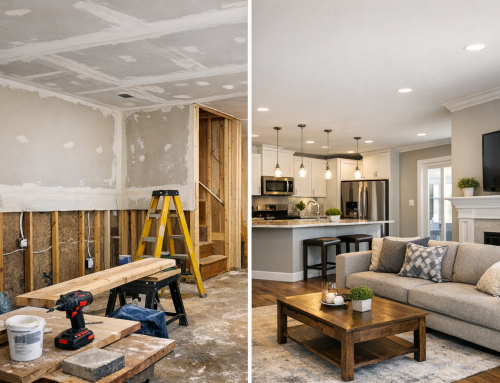
A restoration reconstruction company addresses property damage and repairs the affected structure. Restoration generally focuses on stabilizing the site, removing damaged materials, and preventing further harm. Reconstruction restores or rebuilds the property after those tasks are complete.
Depending on the damage and the company’s services, the work may include:
- Water extraction, structural drying, and moisture monitoring
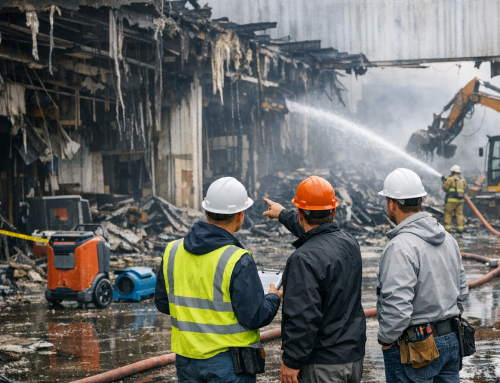
- Removal of smoke-damaged materials and odor control after a fire
- Storm damage repairs, including roof, siding, and interior work
- Mold assessment or remediation when appropriate
- Demolition, debris removal, and site preparation
- Rebuilding walls, flooring, ceilings, cabinetry, and other damaged features
Not every contractor provides every service. Ask which parts of the project the company performs directly and which, if any, are handled by specialized subcontractors.
Why Licensing Matters
Licensing requirements vary by state, province, and municipality. A company may need a general contractor license, trade-specific credentials, or other approvals depending on the type of work and location. Licensing can help show that a business has met applicable requirements to perform certain work, but it is not a guarantee of quality or a substitute for checking references.
Verify the Right Credentials
Ask the company for its license number and confirm it with the relevant licensing authority. Check that the license is current and covers the work involved in your project. If electrical, plumbing, roofing, or other specialized work is needed, confirm that the people performing it have the required credentials.
Also request proof of general liability insurance and workers’ compensation coverage, where applicable. These protections can help reduce risk if an accident or property damage occurs during the job. Requirements differ by location, so verify what applies to your project.
What to Expect During the Project
A reliable company should explain its process, provide regular updates, and document the work. While each loss is different, a restoration and reconstruction project often follows several stages.
1. Assessment and Stabilization
The team inspects the affected areas, identifies immediate safety concerns, and documents visible damage. Depending on the situation, the company may recommend temporary measures such as boarding openings, covering a damaged roof, or shutting off water or power. Ask for a written scope that distinguishes emergency work from later repairs.
2. Cleanup and Drying
Damaged materials may need to be removed, and affected areas may require cleaning, drying, or specialized treatment. For water damage, prompt moisture control can help limit additional deterioration. Ask how progress will be measured and documented, particularly when concealed moisture may be a concern.
3. Repair Planning
Once the property is stable, the company can prepare a reconstruction plan. This should describe the work, materials, anticipated schedule, and any decisions needed from you. If an insurer is involved, keep copies of estimates, photographs, invoices, and communications. Coverage and approval decisions are made according to your policy, so discuss insurance questions with your adjuster.
4. Reconstruction and Final Review
During rebuilding, ask who will manage the work and how changes will be approved. Before considering the project complete, review the finished work with the contractor, note any outstanding items in writing, and obtain final invoices, warranties, permits, and inspection records when applicable.
How to Choose the Right Company
Price matters, but the lowest estimate may not describe the same scope, materials, or timeline as another bid. Compare proposals carefully and look for clear, specific details rather than broad promises.
Before signing, consider asking:
- Are you licensed and insured for this work in my area?
- Who will supervise the project and serve as my main contact?
- What work is included, and what could result in additional charges?
- Will you obtain required permits and arrange inspections?
- How will you document progress, delays, and changes?
- Can you provide recent references for similar projects?
Look for a written contract that identifies the scope, payment schedule, estimated timeline, materials, and process for approving change orders. Be cautious of pressure to sign immediately, vague estimates, unusually large upfront payment requests, or guarantees about insurance coverage. A reputable contractor should answer questions patiently and encourage you to review important documents.
Communication Is Part of the Recovery
Restoration projects can involve uncertainty: additional damage may be discovered, materials may be delayed, or the repair scope may change. Consistent communication makes these developments easier to manage. Agree on how often you will receive updates, how urgent issues will be handled, and who has authority to approve changes. Keep important conversations in writing whenever possible.
If the property is unsafe or actively taking on water, contact emergency services or the appropriate utility provider when needed, then arrange qualified help. Avoid entering areas with structural damage, standing water near electrical systems, or other hazards.
Conclusion
A licensed restoration reconstruction company can help coordinate cleanup, repairs, and rebuilding after property damage. Verify credentials and insurance, compare clear written scopes, and choose a team that communicates openly. These steps can help you navigate the recovery process with greater confidence and clarity.