Commercial Space Customization Services: A Guide for Growing Businesses
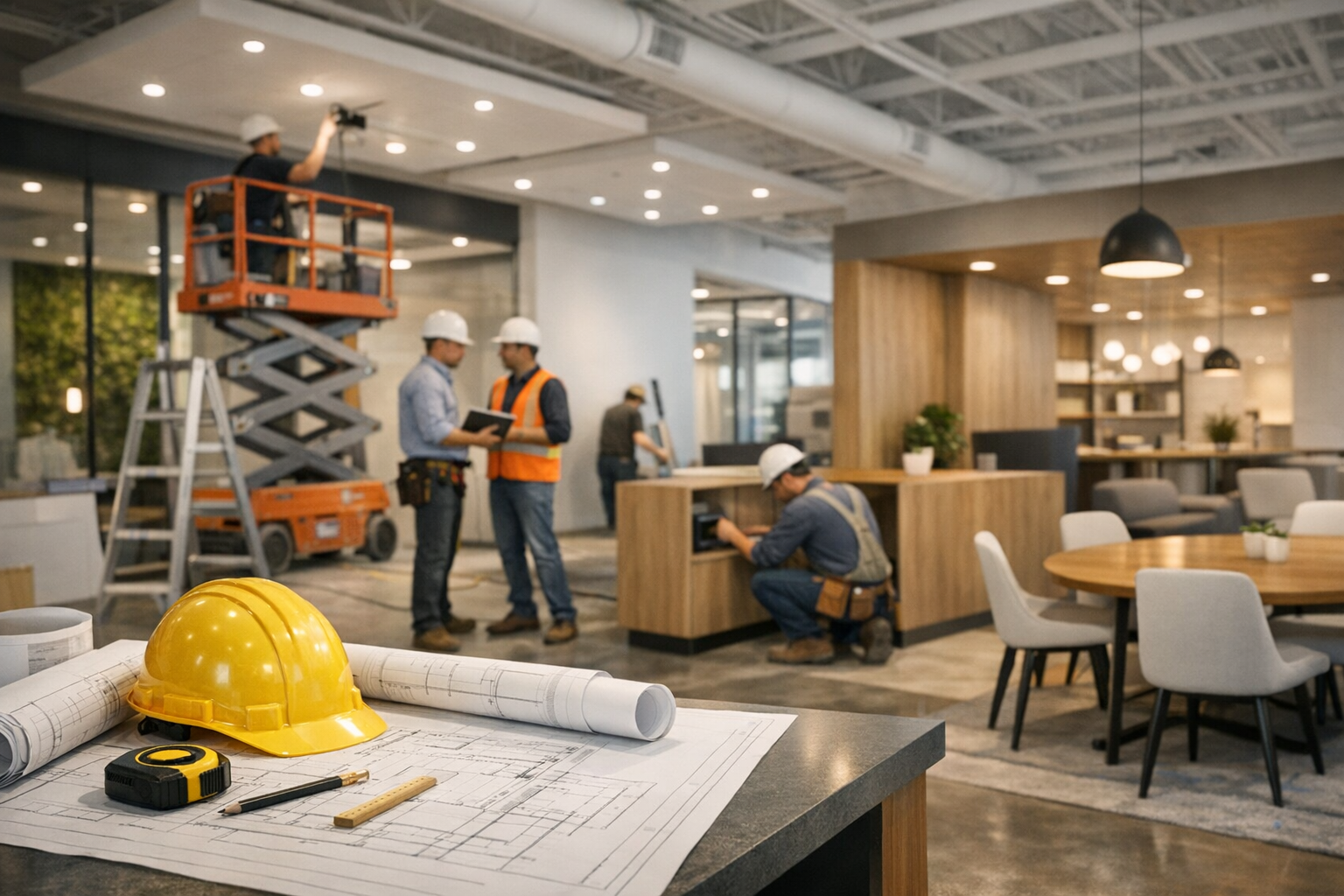
A commercial space should do more than provide a place to work. It can support your team’s daily needs, reflect your brand, and make a strong impression on clients and visitors. Commercial space customization services help businesses shape offices, retail stores, restaurants, and other properties around the way they operate.
Whether you are planning a new location or updating an existing one, understanding what customization involves can help you make informed decisions, manage costs, and create a space that works well over time.
What Are Commercial Space Customization Services?
Commercial space customization services adapt an interior or building to suit a business’s specific goals. The work may range from cosmetic updates, such as new finishes and signage, to more substantial changes involving walls, lighting, electrical systems, plumbing, or mechanical equipment.
Depending on the project, a service provider may help with space planning, design, permitting, construction, installation, and coordination with other trades. Some providers handle the full project from early planning through completion, while others focus on specific tasks. The right scope depends on the property, the business, and the condition of the space.
Common types of customized spaces
Customization may be appropriate for corporate offices, medical and professional practices, retail shops, restaurants, hospitality venues, warehouses, and mixed-use properties. Each environment has different priorities. A clinic may need privacy and accessible circulation, while a retailer may focus on product displays and customer flow.
Why Customize a Commercial Space?
Support the way your business works
A well-planned layout can help employees move between tasks, access shared resources, and collaborate without unnecessary disruption. For customer-facing businesses, thoughtful circulation can make it easier for visitors to find products, services, reception areas, or checkout points. Customization aligns the physical space with the activities that happen in it.
Strengthen your brand experience
Colors, materials, lighting, signage, and furnishings all contribute to the impression a space creates. Consistent design choices can reinforce your brand and help customers understand what your business stands for. The aim is not decoration for its own sake; it is to create an environment that feels appropriate to your audience and supports the experience you want to provide.
Make better use of the property
An existing floor plan may contain underused areas, awkward pathways, or storage that does not fit current needs. Reworking the layout can make available square footage more useful and help a business adapt as its operations change. Customization can also address practical concerns such as acoustics, lighting quality, accessibility, and the location of power or data connections.
The Commercial Space Customization Process
1. Define needs and priorities
Start by documenting how the space will be used, who will use it, and what is not working today. List essential requirements, preferred features, expected occupancy, operational constraints, and future plans. Separate must-haves from nice-to-haves so the project team can make sensible trade-offs if the budget or schedule changes.
2. Assess the site and develop a design
A site assessment can reveal conditions that affect cost and feasibility, such as existing utilities, structural elements, building access, or outdated systems. Designers can then translate business requirements into a layout and finish plan. Review plans carefully, including storage, circulation, lighting, outlets, and equipment locations. Changes are generally easier to address before construction begins.
3. Confirm budget, approvals, and schedule
Ask for a clear estimate that explains the planned work, allowances, exclusions, and how potential changes will be handled. Depending on the project and location, permits, inspections, landlord approval, or building management coordination may be required. Confirm who is responsible for each approval and discuss how construction will affect employees, customers, deliveries, and neighboring tenants.
4. Build, inspect, and prepare to open
During construction, regular updates help keep decisions and expectations aligned. Before accepting the completed work, review it against the approved plans and document any outstanding items. Confirm that installed systems and equipment operate as expected, and make sure staff understand how to use new features. A final walkthrough can help identify small issues before the space is fully in use.
How to Choose a Customization Provider
Look for a provider with experience in projects similar to yours and a process that fits your needs. Ask about relevant licenses and insurance, who will manage the work, how subcontractors are coordinated, and how changes are priced and approved. Request examples of completed projects and references where available.
Communication matters as much as design or construction skill. A dependable provider should explain the scope in plain language, raise potential risks early, and give you a clear point of contact. Compare proposals carefully rather than choosing on price alone. A low initial estimate may not include important work, finishes, or services that appear in another proposal.
Planning for Long-Term Value
Customization decisions can affect operating costs and future flexibility. Consider durable materials in busy areas, energy-efficient lighting and equipment where appropriate, and layouts that can accommodate changes in staffing or services. Also discuss maintenance requirements and warranties before selecting products or systems.
It is helpful to think beyond opening day. A space that can be reconfigured without extensive construction may serve the business longer as its needs evolve. Balancing immediate priorities with practical future needs can make the investment more useful over time.
Conclusion
Commercial space customization services help turn a property into a functional, welcoming environment designed around your business. By defining priorities, reviewing the site, setting a realistic budget, and choosing a communicative provider, you can create a space that supports daily operations and leaves a lasting impression.